
Throughout modern history, the Middle East has never slipped from its position as one of the most unstable and attention-grabbing regions in the world. The complexity of this land stems not only from religious or ethnic conflicts intertwined since ancient times, but more fundamentally, it lies in a priceless yet highly risky gift of nature: oil. Holding nearly half of the world's proven oil reserves has transformed the Middle East from a barren desert region into the heart pumping blood for the global economy. Energy has not only brought unprecedented prosperity to the countries in the region but also turned this place into a perpetual "energy hotspot," where great powers constantly intervene to protect their vital survival interests.
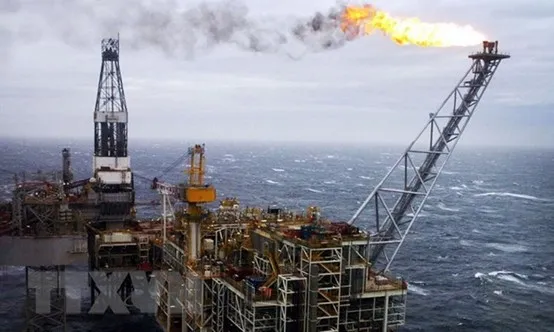
The Middle East's dominance on the global energy map is primarily shaped by geographical privileges. The world's black gold reserves are not distributed evenly but are densely concentrated in the Persian Gulf region. The countries acting as pillars in this energy ecosystem include Saudi Arabia, Kuwait, the United Arab Emirates (UAE), Iran, and Iraq. The special feature that secures this region's exclusive position lies not only in the massive volume of reserves but also in having the lowest extraction costs in the world. The oil fields here are often located at shallow depths, onshore or in shallow waters, helping Arab nations easily pump oil to the surface at a fraction of the cost compared to shale oil extraction in North America or deep-sea oil drilling in the North Sea.
In addition, the geographical location of the Middle East also holds the vital maritime chokepoints of the world, typically the Strait of Hormuz. This is a narrow waterway connecting the Persian Gulf to the open ocean, where tens of millions of barrels of oil pass through every day to radiate across continents. Possessing a massive amount of resources combined with the ability to control vital transport routes has given Middle Eastern countries an unparalleled negotiating power, but simultaneously turned them into targets for external powers vying for influence.
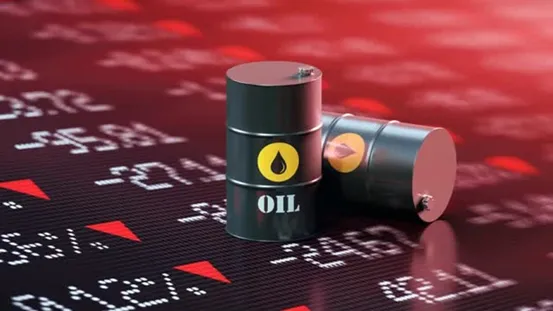
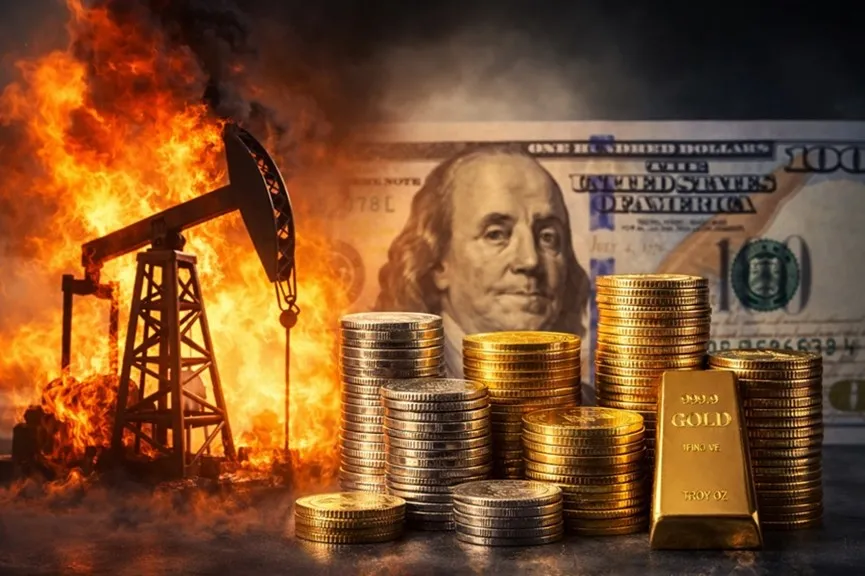
This very wealth of resources has turned the Middle East into a fierce geopolitical chessboard, where global powers constantly launch strategic moves to maximize their national interests. For the United States of America, the Middle East has always carried a vital significance throughout many decades. Washington's concern is not merely ensuring the oil supply for its massive economic machine and Western allies, but more profoundly, maintaining the hegemony of the Petrodollar system. The agreement by the largest oil-exporting nations to price and trade oil in USD has consolidated the invincible power of this currency in the global financial market. Although the United States today has achieved significant energy autonomy thanks to the shale oil revolution, its military and diplomatic presence in the region has not diminished, aiming to prevent any hostile force from manipulating the global supply.
Meanwhile, the strong rise of China as the world's factory has turned this nation into the largest crude oil importer on the planet. To satisfy its endless thirst for energy serving economic growth, Beijing is constantly increasing its influence in the Middle East through the Belt and Road Initiative (BRI). China implements clever diplomacy, establishing comprehensive strategic partnerships with both Saudi Arabia and Iran, focusing on billion-dollar infrastructure investment deals in exchange for long-term energy security guarantees.
At another extreme, Russia enters the Middle Eastern chessboard with a different mindset. Russia itself is already a leading energy power; therefore, Moscow's interests here lean towards coordinating and manipulating the market. Through the OPEC+ cooperation mechanism, Russia shakes hands with Saudi Arabia and other oil-exporting countries to intervene in production, thereby controlling world oil prices in a direction beneficial to its national budget. Furthermore, Russia utilizes hotspots in the Middle East to expand its geopolitical influence, break the West's isolating encirclement, and consolidate its position as a great power that dictates the rules of the game.
The thirst to control energy does not only stop at diplomatic or economic fronts but has repeatedly erupted into brutal armed conflicts. The modern history of the Middle East is a series of bloody wars, where oil plays the role of a direct cause or an undercurrent shaping the situation. The Gulf War that broke out in 1990-1991 is a typical testament. When Iraq invaded and annexed Kuwait, the underlying motive was nothing other than seizing the neighboring country's massive oil reserves to resolve huge debts after the Iran-Iraq war. Immediately, a US-led multinational military alliance intervened strongly to repel the Iraqi army, thereby re-establishing order and protecting the integrity of the global energy supply.
More than a decade later, the Iraq War breaking out in 2003 continued to cast a dark shadow over the entire region. Although the US-led coalition's attack was justified by allegations related to weapons of mass destruction and the war on terror, international political analysts have always questioned the true role of oil. Overthrowing an unfriendly regime sitting on one of the world's largest oil fields completely restructured the regional geopolitical order. These wars not only devastated infrastructure and human lives but also left lingering consequences, turning the Middle East into an endless vortex of violence, where power is calculated by the barrel of oil.
Viewed overall, the existence of oil has shaped a cruel destiny for the Middle East. This region cannot free itself from the vortex of power competition as long as the global economy still operates based on fossil energy. Oil is both the driving force bringing miraculous development and the tinder igniting perpetual instability. Although the world is entering an era of green energy transition, this process will take many decades to complete. In the near future, the Middle East will still continue to maintain its position as the energy heart of humanity and the most brutal geopolitical hotspot on the global power chessboard.