
Along with economic development and deep international integration, Vietnam is increasingly becoming an attractive destination for foreign experts, investors, and workers. Choosing to move to a new country brings many opportunities, but also comes with quite a few challenges. One of the biggest barriers foreigners face is the difference in the legal system. Understanding local regulations not only helps them avoid risks of compensation, administrative fines, or deportation, but is also the key to building a stable, long-term life and career in Vietnam.
When deciding to pivot their lives to Vietnam, foreigners will often immediately “collide” with a series of mandatory legal procedures. These barriers span many aspects of civil life, including:
1. Legality of residence: Regulations on visas, visa extensions, and the issuance of temporary/permanent residence cards.
2. Legality of employment: Strict regulations on issuing work permits to legally receive a salary in Vietnam.
3. Property ownership rights: Especially issues regarding the buying and selling of real estate, housing, and vehicles.
4. Financial obligations: How to pay personal income tax when the source of funds may come from both Vietnam and abroad.
5. Civil matters and Marriage: Procedures for marrying a local, converting driver's licenses, or daily civil contracts.
Among these, the issue of real estate ownership (land and housing) is always a top concern.

Can they hold the title of ownership when buying land and houses in Vietnam?
The short answer is: They CANNOT own vacant land, but they CAN own housing (with specific restrictions).
Vietnamese law has a very clear distinction between “Land use rights” and “Housing ownership rights”:
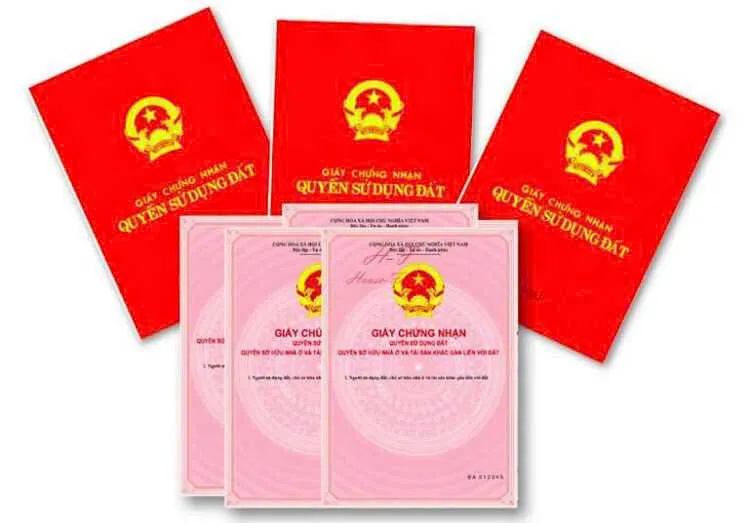
For Land: The Constitution and laws of Vietnam stipulate that land belongs to the entire people, with the State acting as the representative owner. Therefore, foreigners are absolutely not allowed to receive the transfer of land use rights (buy vacant land) and cannot be named on the “Red Book” for land plots in Vietnam.
For Housing: The Vietnamese Government has opened its doors to allow foreigners to buy and be named on the “Pink Book” (Certificate of housing ownership); however, this right is not unrestricted but comes with very strict limitations regarding the type of housing, area, and quantity.
The rights and obligations of foreigners regarding real estate are currently regulated by the latest legal frameworks (officially effective from August 1, 2024), including:
2024 Land Law (No. 31/2024/QH15): Clearly affirms that foreign individuals are not among the subjects allocated or leased land by the State, nor are their land use rights recognized.
2023 Housing Law (No. 27/2023/QH15): Specifies in Articles 17, 18, 19, and 20 the rights, conditions, and limits for purchasing housing by foreign organizations and individuals.
2023 Law on Real Estate Business (No. 29/2023/QH15): Regulates the conditions for participating in real estate transactions for foreign individuals and organizations.
So, what are the conditions to be named as an owner?
For a foreign individual to be named as a home owner in Vietnam, they need to meet the following conditions under the 2023 Housing Law:
Status conditions: Must be a foreign individual legally permitted to enter Vietnam and not subject to diplomatic or consular privileges and immunities.
Types of housing allowed to purchase: Only permitted to buy, rent-purchase, receive as a gift, or inherit commercial housing (including apartments and individual houses) located within housing construction investment projects approved for sale to foreigners.
Prohibited areas: Not allowed to buy houses in areas requiring national defense and security assurance according to the regulations of the Ministry of National Defense and the Ministry of Public Security. Not allowed to arbitrarily buy individual houses in existing residential areas of Vietnamese citizens.
Quantity limits (Quota): Only allowed to buy/own no more than 30% of the total number of apartments in an apartment building. For individual houses (villas, townhouses) in a project, only allowed to own no more than 250 units in an area with a population equivalent to a ward level.
Ownership duration: Foreigners are only allowed to own houses for a maximum of 50 years from the date of issuance of the Certificate (Pink Book). Upon expiration, they can apply for a one-time extension (not exceeding 50 years).
Exceptions: If a foreigner is married to a Vietnamese citizen or an overseas Vietnamese, they will be allowed to own a home on a stable, long-term basis just like native citizens.

Besides settling down, foreigners in Vietnam are also bound by other administrative and civil regulations:
1. Visas, Residence, and Work Permits
Temporary Residence Card: Foreigners staying long-term need to apply for a temporary residence card corresponding to their purpose (investment, labor, visiting relatives). The duration of a temporary residence card is usually from 1 to 5 years (according to the Law on Entry, Exit, Transit, and Residence of Foreigners in Vietnam).
Work Permit: To work legally, except for some exempted cases, foreign individuals are required to have a Work Permit issued by the Department or Ministry of Labor, Invalids and Social Affairs. Working “under the table” without a permit can lead to the consequence of being deported from Vietnam.
2. Personal Income Tax (PIT) Obligations
Tax payment depends on whether they are classified as resident or non-resident individuals (Based on Circular 111/2013/TT-BTC):
Resident individuals (staying in VN for 183 days or more/year): Must pay tax on all income generated inside and outside Vietnam, applying a partially progressive tax schedule (from 5% - 35%).
Non-resident individuals (staying in VN for less than 183 days/year): Pay PIT at a flat rate of 20% based on income generated in Vietnam (excluding overseas income).
3. Marriage to a Local
Foreigners who want to marry a Vietnamese citizen must comply with the 2014 Law on Marriage and Family. Both parties must prepare a complete set of documents to submit to the District-level People's Committee, including a certificate of single status (consularly legalized) and specifically, a Psychiatric Health Certificate from a competent medical facility confirming full civil act capacity.
4. Participating in Traffic
Foreigners cannot directly use their national driver's license to drive in Vietnam. They are required to complete procedures to convert it to a corresponding Vietnamese Driver's License or use an International Driving Permit (IDP) issued by countries participating in the 1968 Vienna Convention (accompanied by the original license).
The journey of living and working for foreigners in Vietnam is a picture intertwined with vast opportunities and legal standards that must be strictly followed. From not being allowed to own vacant land but being able to buy project apartments with a 50-year limit, to strict requirements on work permits, income taxes, or marriage registration... all reflect the policy of the Vietnamese State: Encouraging the attraction of international resources while still ensuring strict management of national security and social order.