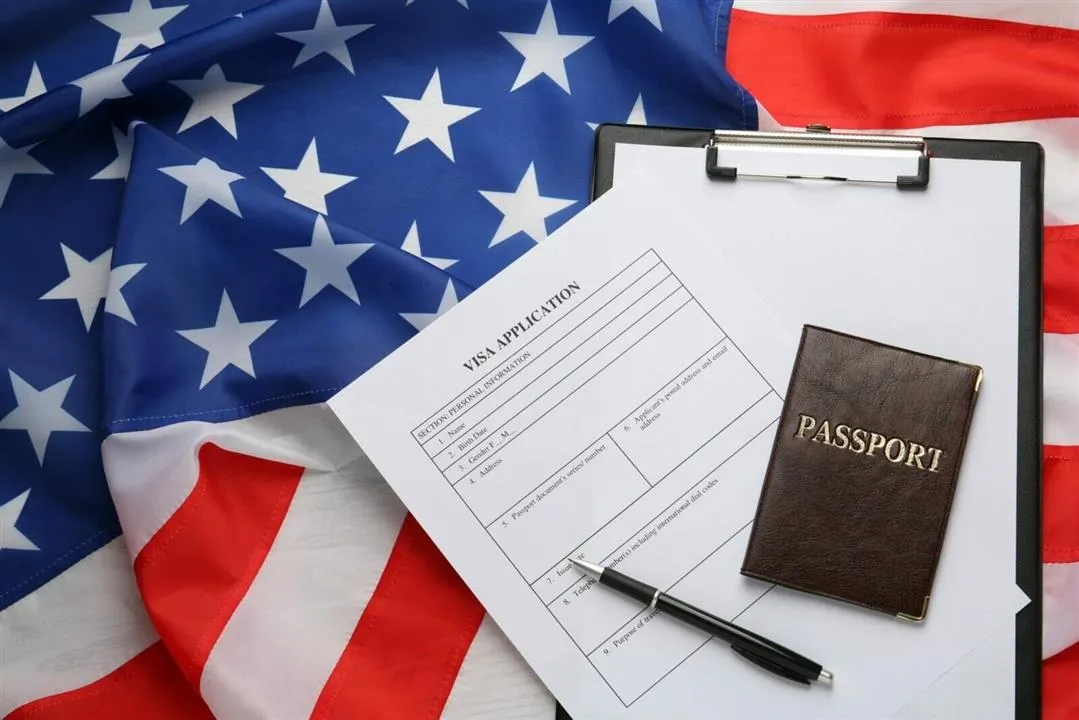

Applying for a visa is a rigorous review process, where consular officers must assess the level of honesty and immigration risk of each applicant. Receiving a rejection notice not only causes a massive waste of time and money but also leaves long-lasting consequences on one's personal immigration record. Based on international review principles, the majority of rejected cases share a common scenario:
Vague purpose of the trip
Consular officers are always concerned with the first and most important question: what are you actually coming to their country to do. One of the classic and easiest mistakes to make is the inconsistency between the type of visa you are applying for and your actual action plan.
For instance, when you apply for a self-sufficient tourist visa but are completely unable to present a specific day-by-day sightseeing itinerary. The lack of basic evidence such as hotel booking confirmations, logical round-trip flight tickets, or a highly feasible travel schedule will immediately arouse suspicion.
When your trip plan is too sketchy, lacks practicality, or looks like it was hastily copied from the internet, the embassy has full grounds to assume that you are using the guise of tourism to conceal another illegal purpose.
Poor financial capacity
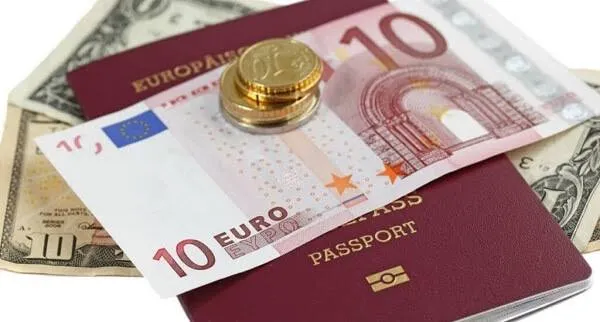
Many people mistakenly believe that simply borrowing a large sum of money and throwing it into a savings account right before the application date is enough to pass the review. However, consular agencies are highly trained to look at the fluidity of cash flow rather than just looking at a lifeless number. The heaviest penalty falls on applicants who cannot prove the legal origin of that money, or who do not have a regular monthly income commensurate with the massive balance in the bank.
When your finances are assessed as weak or lacking transparency, the officer will conclude that you do not have the capacity to pay for the trip. Consequently, the risk of you becoming a burden on their social welfare or finding a way to work illegally is very high.
Loose ties to the home country
Most countries, especially developed ones, apply the principle of "presumption of immigrant intent" to all short-term visa applicants. Your responsibility is to shatter that suspicion by proving that you have invisible but extremely solid ties binding you to your home country. This tie does not lie in empty promises but must be demonstrated through tangible documents such as a stable job with good remuneration, ownership of high-value assets like real estate, or close family ties such as a spouse and children waiting back home.
If your profile is too thin in this aspect, for example, working as a freelancer without a contract, being single, and having no accumulated assets, the authorities will easily conclude that you have no compelling reason to pull you back to your country after the visa expires.
Application errors and dishonesty
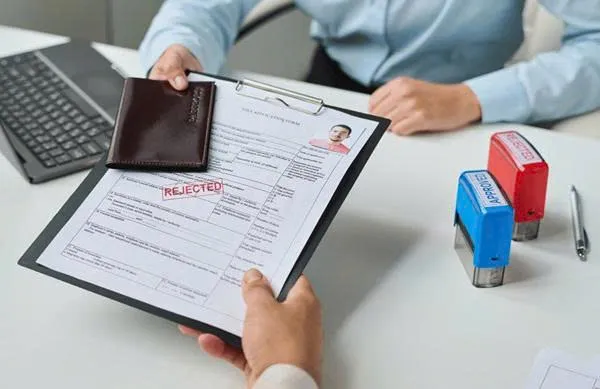
Transparency is the ultimate, non-negotiable principle in the field of immigration. There are countless applicants rejected simply due to carelessness in the process of completing their applications, such as filling out inaccurate information on the declaration form, failing to submit core documents required by the Embassy, or forgetting small but legally binding details like a confirmation signature.
Even more concerning is the act of deliberately forging documents. Consulates always have at their disposal cross-verification systems and incredibly sophisticated information networks to expose fraudulent details. Once caught submitting forged documents or making dishonest declarations, you will not only immediately receive a rejection decision but also face extremely severe penalties, including being permanently banned from applying or denied entry for many consecutive years.
Immigration history
The passport is the clearest mirror reflecting your habits and reliability in international travel. A completely blank travel history, meaning you have never stepped foot outside the territory of Vietnam but suddenly apply for a visa directly to countries with strict requirements, will make your application lack weight.
At a more serious extreme, if you have ever been denied a visa, or worst of all, have a history of overstaying, violating laws, and being deported in other countries, the global shared data system will immediately sound the alarm. These "black marks" in the past create an enormous prejudice, forcing reviewing officers to put your application under a much stricter lens of scrutiny compared to an ordinary person.
Unstable interview demeanor
For countries that apply a direct interview process, the dialogue with the consular officer is your last chance to defend your application. Your documents might be perfectly prepared, but if you walk into the interview with a faltering attitude, avoiding eye contact, or answering in a roundabout way without getting straight to the point, all your efforts could vanish into thin air. A lack of confidence or excessive nervousness is often equated by officers with you trying to hide a certain truth.
Especially, if the statements you present in person contain inconsistencies or deviations compared to the information carefully declared in the prior visa application, the officer will immediately lose trust. What they really need is to see a calm applicant who is in control of their itinerary and provides the clearest, most honest answers.