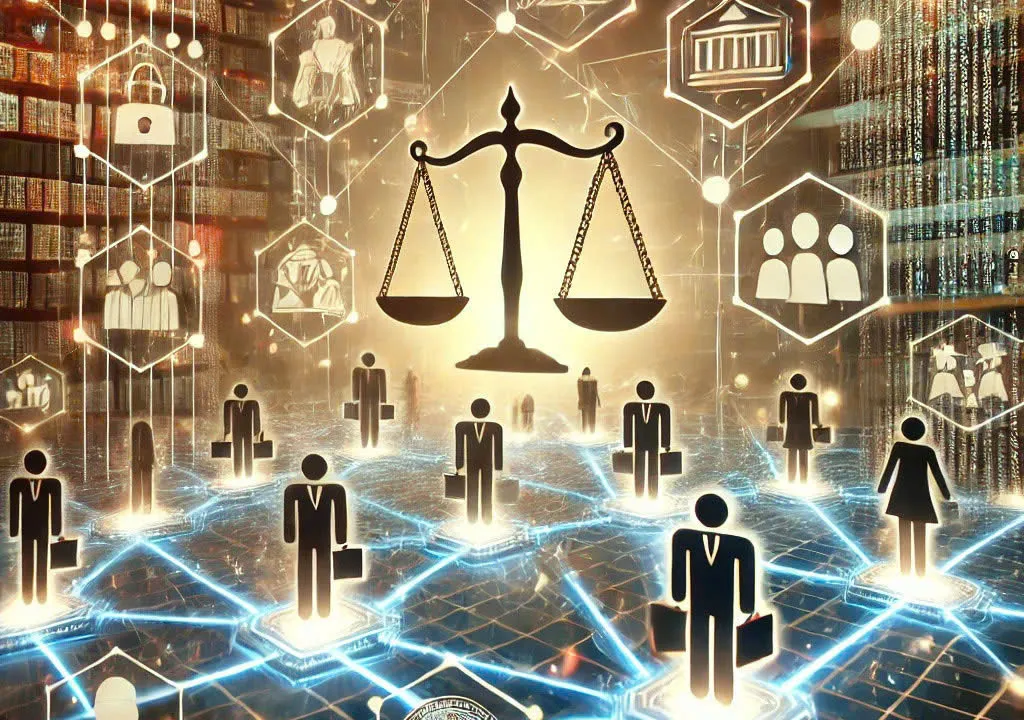

As the boundary between truth and lies is blurred by technology, consumer trust in open commerce platforms is plummeting uncontrollably, hitting the rock bottom of dismay.
The price to pay for an uncontrolled cyberspace is astronomically high, and it is eroding the core foundation of commerce: trust. According to the Edelman Trust Barometer, the premier gauge of global trust, public confidence in tech companies and current digital platforms has tragically dropped to its lowest point in a decade. The freedom to publish information has pushed consumers into a miserable predicament, where they suffer from a psychological syndrome known as "vigilance fatigue." Modern customers are being drained of their energy when even the smallest purchasing decision forces them to play the role of a private detective: scrutinizing every line of text, doubting every photo, and constantly living in the anxiety of being deceived by the very systems they once trusted.
This fatigue is entirely justified as the underworld of the "Junk Review Economy" swells into a monster threatening to devour e-commerce. Figures released by the World Economic Forum (WEF) in collaboration with cybersecurity firm Cheq have exposed a brutal reality: in just one year, fake reviews caused approximately $152 billion in direct damages to the global economy. This disaster is amplified manifold by the complicity of generative Artificial Intelligence. If previously one could identify fake reviews through naive grammatical errors or a stiff, robotic tone, AI can now automatically produce tens of thousands of reviews with vivid experiential stories, so emotional and authentic that it's chilling. Distinguishing real from fake with the naked eye has officially become an impossible mission for the average user.
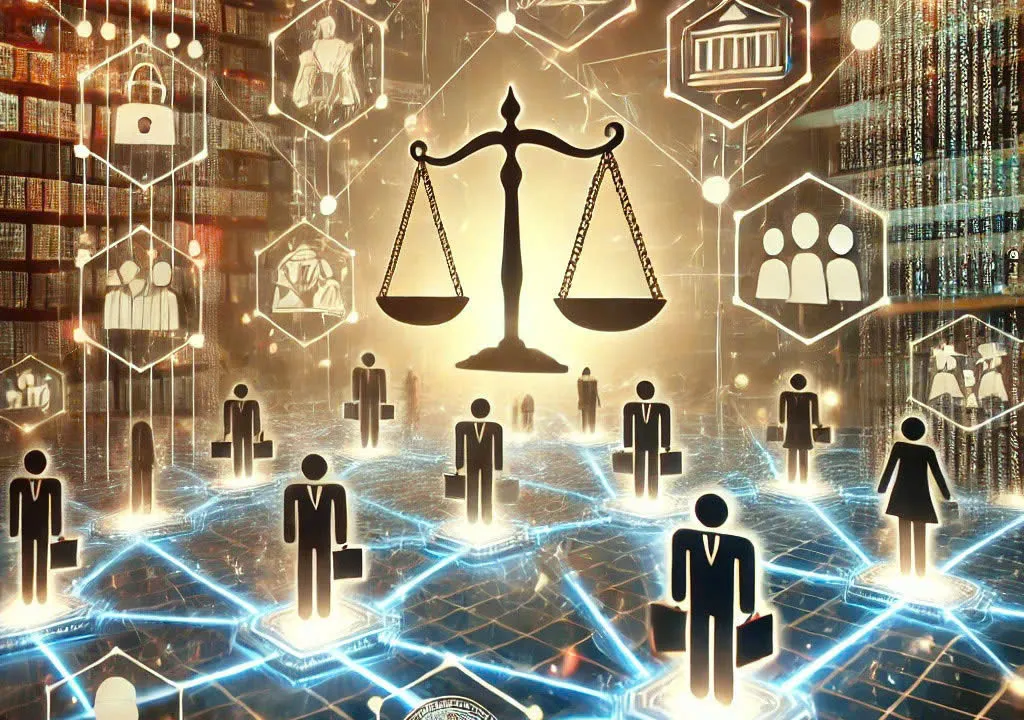
Faced with the collapse of "digital trust," the market is forced to execute a historic escape to survive, marking a paradigm shift toward the "Curatorial Era." Consumers are completely exhausted and awakened; they no longer need a gigantic supermarket flaunting a myriad of goods but forcing them to play a game of roulette with quality. What they crave now is a rigorously curated shopping space with guaranteed reliability. Grasping this inner voice, modern commerce platforms are frantically shifting from the "Open Market" model, a free flea market where anyone can sell anything, to the "Curated Marketplace" model, a trading floor governed by Gatekeepers wielding the power of life and death. The return of these Gatekeepers is not a regression of freedom, but a necessary shield to purge digital waste, protect the end-users, and restore order to a chaotic market.
In an era where algorithms and AI can clone and create anything at zero cost, "human authentication" and "moderation" via rigorous ethical standards have suddenly risen to become the most expensive and luxurious type of asset.