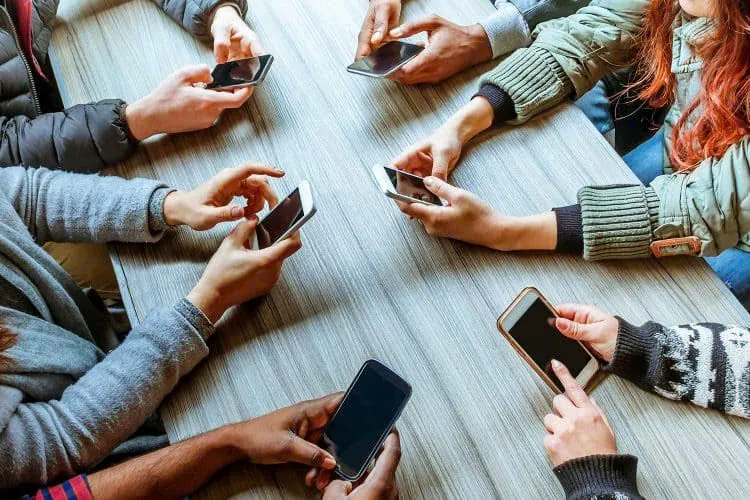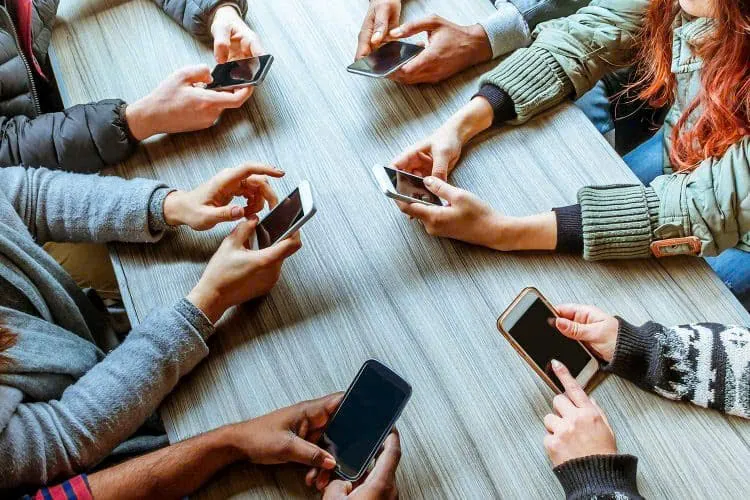

The picture of hyper-connectivity is being sketched by haunting statistics. According to survey data from the Pew Research Center published in 2022, up to 46% of teens admit they are immersed in the online world "almost constantly," a skyrocketing increase, doubling the 24% recorded in 2014. However, this relentless connection brings a bitter paradox: it is absolutely not directly proportional to work productivity or deep social cohesion.
On the contrary, the "always online" state acts as an invisible acid, silently eroding cognitive capacity and mental clarity, turning humans into passive information-consuming machines in an endless, noisy stream.
This imprisonment is absolutely not a coincidence, but the result of an intentional design process aimed at directly manipulating our brain's hardware. Behavioral psychology studies published in the Springer academic journal system have exposed this ruthless trick: the "infinite scroll" mechanism on social media platforms is programmed to trigger the brain's reward system exactly like the operation of slot machines in a casino. Every swipe of the finger is a roll of the dice, delivering sudden but incredibly fleeting dopamine hits. When this loop is repeated thousands of times a day, it leads to an inevitable consequence: dopamine depletion. The brain is drained of the chemical of excitement, explaining why right after putting the phone down and taking our eyes off the screen, we do not feel entertained or rested at all, but only engulfed by an exhausted fatigue and a profoundly deep sense of emptiness.
The greatest victim of this energy-draining crisis is the capacity for "deep work," the ability to concentrate intensely to immerse oneself in a task and solve complex problems.
The cold numbers from a two-decade-long research study by Dr. Gloria Mark at UC Irvine have sounded a red alarm about the decline of focus. The data points to a grim reality: the average human attention span on a screen has plummeted disastrously from 2.5 minutes in 2004 to a mere 47 seconds in 2023. We are depriving ourselves of the ability to nurture coherent thoughts, abstract thinking, and original creativity, because our minds are constantly torn apart by dozens of notifications popping up every minute.
Entering the digital age, the definition of power has completely changed. Ultimate power no longer rests in the hands of those who manipulate or possess the most information, because information has now become a cheap and rampant form of trash. True power, the thing that creates the difference between outstanding individuals and the rest, is the ability to "manage one's own attention" amidst countless temptations.