
Should You Confide in AI? Can Artificial Intelligence Become the Listener of the Digital Age?
In life, everyone faces their own pressures, fatigue, or struggles that they wish to express to ease the sadness in their hearts, yet they often do not know whom to share them with. Many reasons lead people to keep things to themselves instead of speaking out: some fear being judged, some do not want to burden their loved ones, and others simply cannot find someone they trust enough to open up to. Now, the emergence of AI has opened up a new choice. With just a few lines of text, AI is ready to listen at any time, leading many to view it as a “friend” to pour their hearts out to. But is AI truly a place to entrust all of our emotions?
Nowadays, the use of AI is highly popular, with most people utilizing it for various purposes, and among these, confiding in AI is increasingly chosen by many due to the convenience and sense of security that technology brings. AI operates 24/7 without needing an appointment, never shows annoyance or interrupts you while you are sharing, responds relatively fast, and is always there when you need it (provided you have a stable Wi-Fi connection). Many people feel comfortable because they do not have to face judgment or scrutinizing eyes from others. AI also has the ability to ask open-ended questions, helping users view problems from multiple perspectives, reorganize their thoughts, and offer appropriate suggestions. For those who are hesitant to express their emotions or are not yet ready to share with others, AI can serve as a starting point to help them open up.
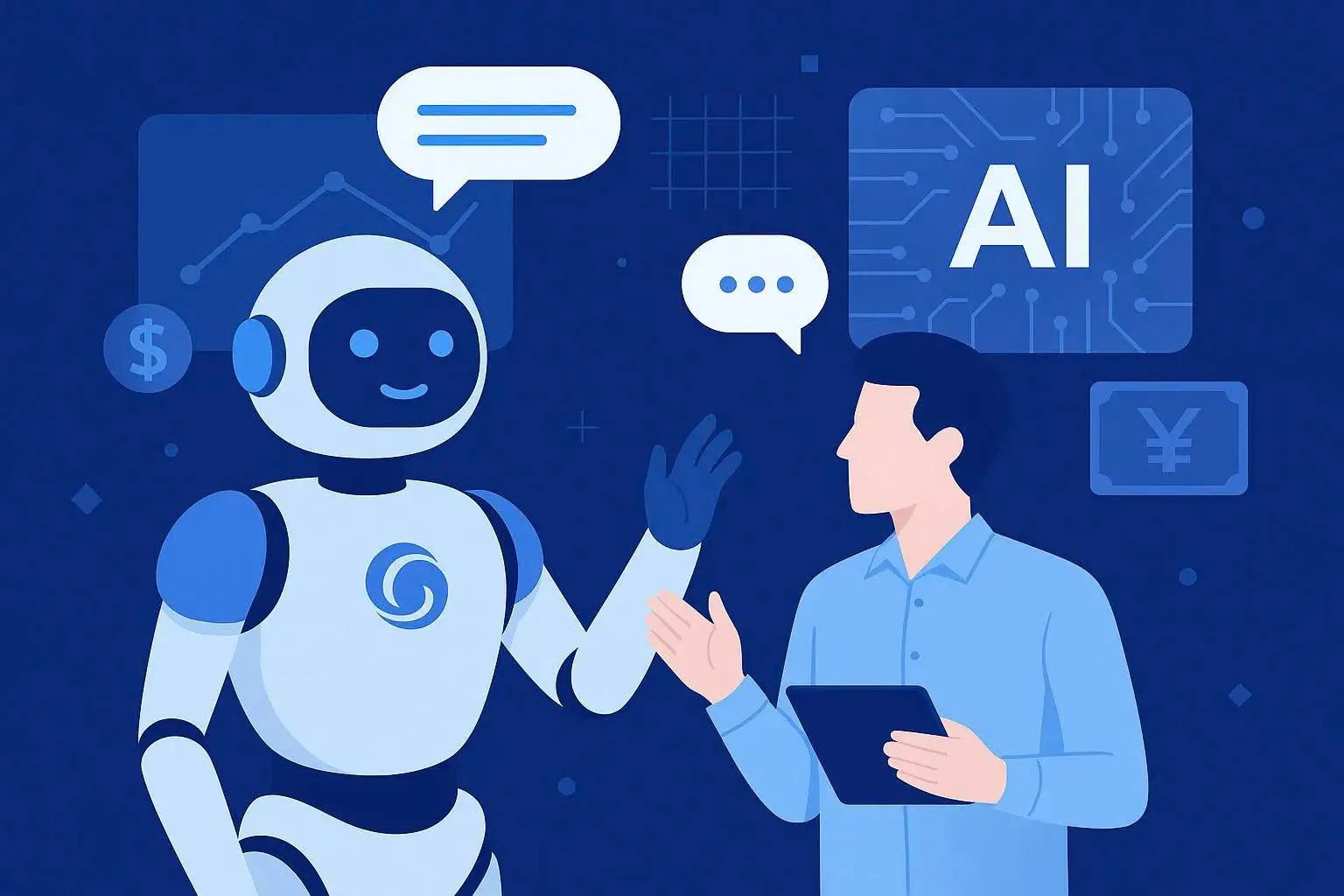
So, what can we confide in AI about? AI is suitable for listening to pressures in studying, work, relationships, career orientation, or emotions such as anxiety, stress, and a loss of motivation. Beyond listening, AI can also assist in writing emotional journals, analyzing the pros and cons of a situation, suggesting stress management techniques, or preparing content ahead of an important conversation. However, users should also be mindful when sharing overly sensitive personal information and should not view every piece of advice from AI as absolutely correct. In addition, how questions are phrased is also very important in helping AI understand better and easily provide more suitable answers.
Even though AI is becoming increasingly intelligent and upgraded, it still cannot replace humans. AI is merely a supporting tool for humans; it has no real emotions and cannot understand through life experiences or offer the same empathy as a family member, a friend, or a psychologist. A hug, an encouraging look, or the physical presence of someone you trust are things that technology cannot replicate. Especially if someone is experiencing a severe psychological crisis, prolonged depression, or thoughts of self-harm, AI can never replace direct human support.