
The development of dating apps and global social networks has opened up unlimited opportunities for connection, allowing us to easily communicate with people from all over the world. Cultural novelty, along with the thoughtful attention of a foreign friend, can easily cause us to let our guard down.
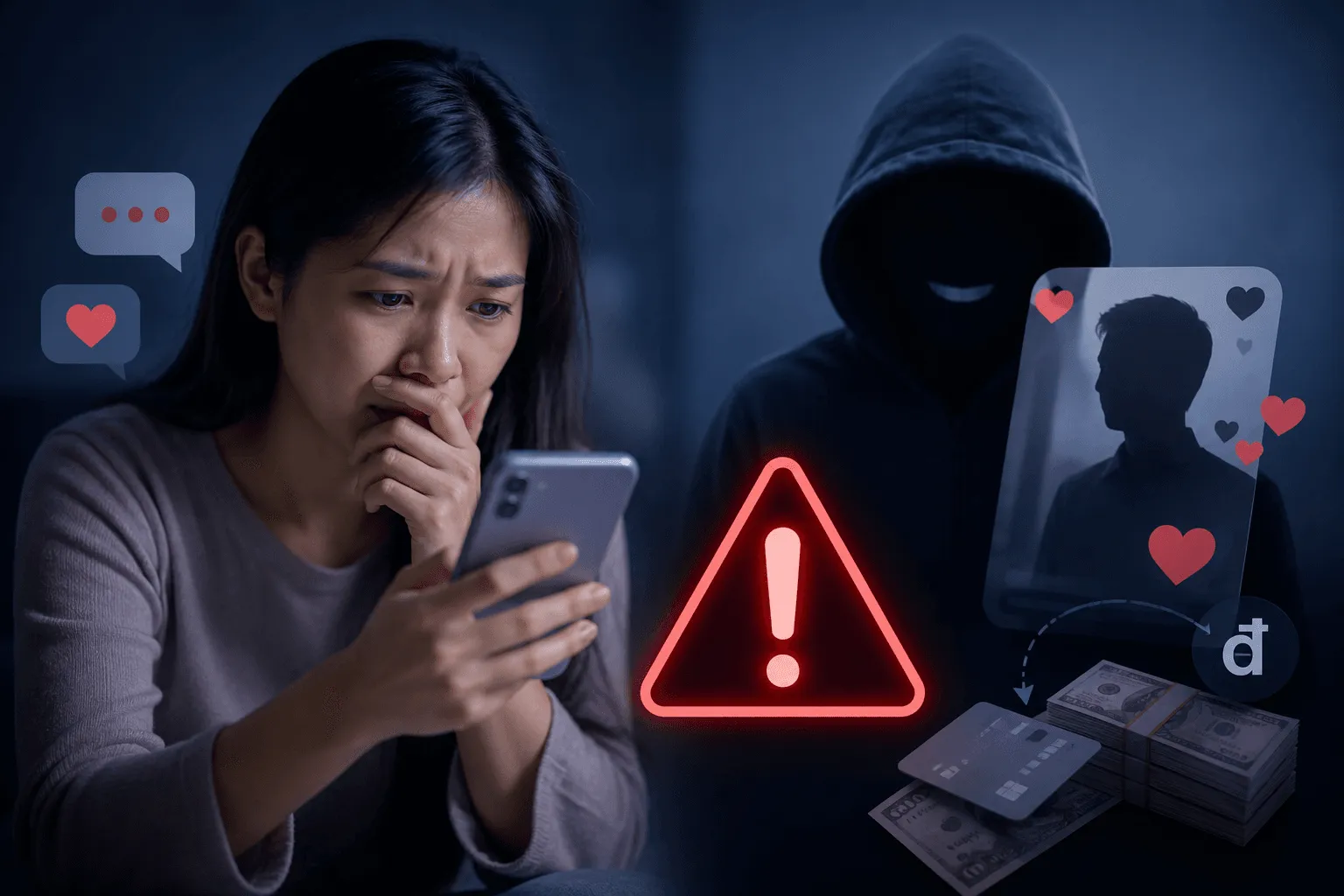
However, cyberspace always contains unpredictable risks, particularly online romance scams. Protecting personal information during the early stages of getting to know someone is not only a way to protect your assets, but also a shield that safeguards your personal safety and peace of mind in real life.
Home address, workplace, and daily routine
One of the most common mistakes people make when communicating online is unintentionally sharing details about their living environment and daily habits. When a foreign stranger asks seemingly harmless questions such as, "Which area do you live in?", "Where is your company located?", or "Are you going to work today?", the instinct to be polite may urge you to answer in detail. However, revealing your home address, workplace, or school will turn you into a potential target for stalking or harassment in real life. Someone with an unstable mindset or malicious intentions could easily use this information, combined with online maps, to pinpoint exactly where you appear every day.
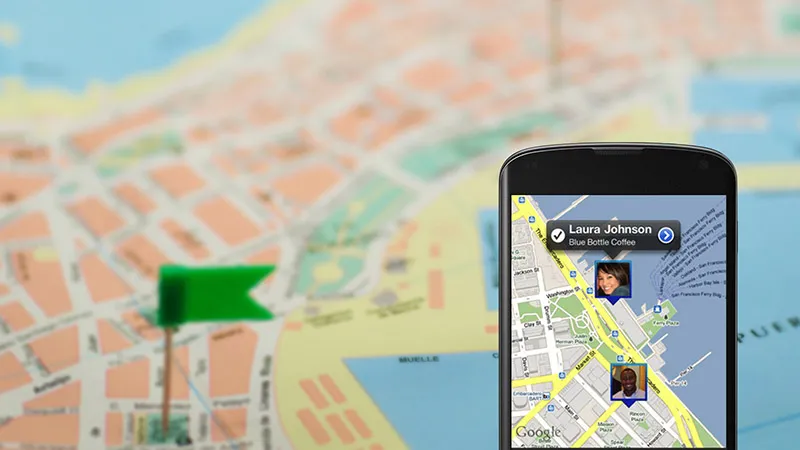
Even sharing your schedule, such as "I usually exercise at Park X at 6 p.m." or "I'm home alone on weekends," can be extremely dangerous. This information allows malicious individuals to understand the patterns of your life, creating opportunities to approach you in real life when you are at your most isolated or least prepared. Therefore, keep your answers extremely general, such as mentioning only the name of your city, and never go into specific location details.
Personal phone number and main social media accounts
When a conversation on a dating app has just started to develop positively, scammers often tend to pressure their targets into moving to other messaging platforms such as WhatsApp, Telegram, Signal, or Zalo. Experts from The Guardian have analyzed that this behavior is intended to move you away from the original app's automated scanning and account moderation systems. When you provide your personal phone number too early, you may unintentionally give them the key to look up a wide range of bank accounts, e-wallets, or other service registration information associated with that phone number.
Similarly, hastily adding someone as a friend on your personal Facebook, Instagram, or LinkedIn account is a risky move. Your personal profile is a treasure trove of data for sophisticated scammers. From photos taken with family, friends, and colleagues to old status updates, malicious individuals can carefully study this information to construct a perfect psychological manipulation scenario, targeting your interests, vulnerabilities, or emotional wounds. More seriously, if the relationship turns sour, they may use your social media friend list as a tool to threaten you, damage your reputation, or extort money from you.
Full name, date of birth, and identification documents

In online conversations, using a nickname or shortened name is a necessary privacy protection measure. Providing your full name along with your exact day, month, and year of birth is highly inadvisable before you have verified the other person's identity. These details may seem basic, but they are core data fields that can be used to answer bank account security questions or carry out identity theft.
Never send photos of your passport, identity card, driver's license, or any document containing a personal identification number. International cybercrime organizations can now use images of your identification documents to open "ghost" bank accounts, apply for predatory loans, or create other scam accounts under your name. By the time the illegal activity is discovered, you may be the one facing serious legal complications while the perpetrator remains anonymous in another country.
Income, assets, and financial vulnerabilities
One immutable rule emphasized by the Federal Bureau of Investigation (FBI) is to never share your financial situation with someone you have recently met online. Even if the other person appears wealthy, shares photos of luxury cars and an extravagant lifestyle, or takes the initiative to talk about their income first, which is often a fabricated cover, you should still keep your own information private. Complaining about a low salary or debt, or conversely, boasting about recently buying a house or having savings, can all turn you into a potential "target."
Professional scammers always seek to exploit their victims' financial situations to measure their "spending capacity." If they know you are struggling financially, they may lure you into financial investment traps or cryptocurrency scams with promises of changing your life. If they know you have accumulated assets, they may patiently build an emotional relationship over several months before creating emergency scenarios, such as a relative being in an accident, a business account being frozen, or needing money for visa procedures, in order to borrow money from you. By the time you realize what has happened, the funds may have already been divided into smaller amounts and transferred to overseas accounts, making them almost impossible to recover.
Sensitive image data
Openness in cross-cultural communication can sometimes lead many young people to have a more relaxed attitude toward sharing personal images. However, sending private, sensitive, or revealing photos and video clips to a foreign friend you have recently met through a chat app is putting yourself in a dangerous position. Sexually motivated blackmail has been increasing significantly around the world.
The common scenario in these cases is that the other person uses sweet or provocative words to trick you into sending sensitive images or participating in sexual video calls. Immediately after obtaining the material, their true intentions become apparent. They will threaten to send all of these images to your parents, friends, and colleagues, whose information they have previously collected from your social media, unless you transfer the amount of money they demand. Falling into this trap can cause severe psychological harm, leaving victims in a state of intense panic and deep despair.