Marriage is one of the biggest turning points in a person's life, requiring maturity, understanding, and a willingness to face the most ordinary and practical aspects of everyday life. When your life partner holds a different nationality, the journey is not simply about bringing two hearts together. It also involves significant changes in lifestyle, mindset, and the legal systems that come with the marriage.

Many premarital psychology experts point out that the shocks couples experience after the wedding often do not stem from a lack of love. Instead, they arise from the wide gap between idealized expectations and the harsh reality of each person's role within the family.
Cultural clashes and language barriers in everyday life
In the early stages of a relationship, differences in culture, customs, and language often act as romantic catalysts, sparking curiosity and opening the door to a new adventure of discovering the world together. However, once two people begin living under the same roof, those very differences can become triggers for simmering conflicts.
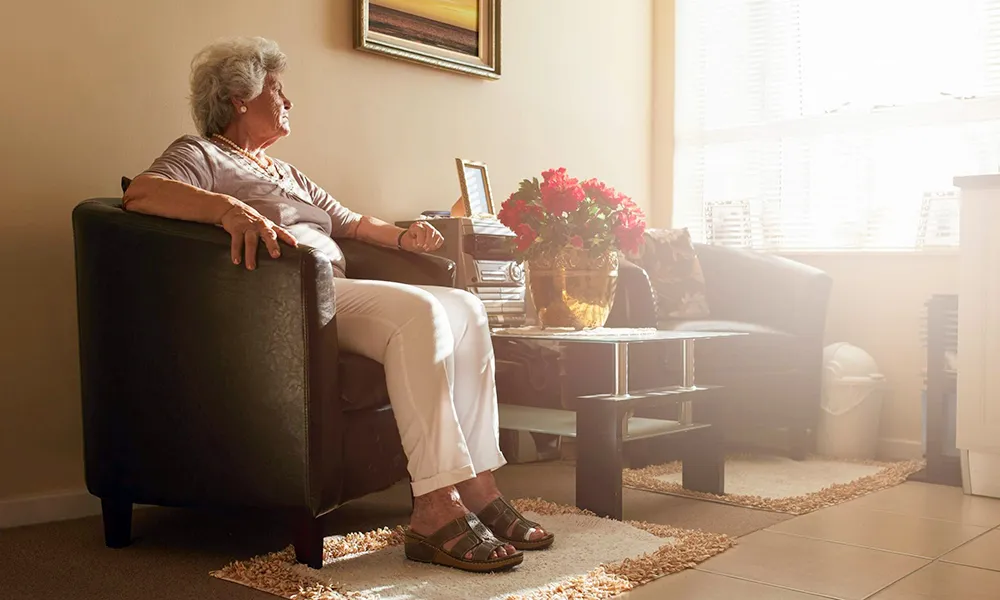
Culture is not merely about how people celebrate Lunar New Year, observe Thanksgiving, or organize a party. It is deeply embedded in the subconscious, shaping thought patterns, everyday habits, gender expectations, and emotional expression. Someone from a Western culture that emphasizes individualism and direct communication may unintentionally hurt an Eastern partner who values tact, compromise, and a sense of community. Without finding common ground, misunderstandings can accumulate day after day, gradually driving two people apart and turning their home into a lonely place.
Language barriers can also become a hidden and highly dangerous trap in international marriages. Even when both partners communicate fluently in a shared language such as English, conveying deeper meanings, psychological struggles, and subtle emotional nuances during disagreements remains a major challenge. Having to constantly translate one's thoughts into another language can leave a person mentally exhausted and emotionally frustrated.
When one partner moves to the other's home country, a lack of fluency in the local language can turn them into a true outsider. They may lose their independence in social interactions, struggle to find employment, and become entirely dependent on their spouse, creating a serious imbalance of power within the family.
Differences in financial mindsets
Finances are consistently among the leading causes of marital breakdown. In marriages involving partners from different countries, financial matters can become even more complicated. Based on real-life family experiences, anyone seeking freedom and equality in a relationship needs to maintain financial independence and have personal savings before getting married. Couples should sit down and openly agree on how to manage their household budget: who will manage the money, how they will divide contributions toward regular living expenses, and how they will approach investments and major purchases.
Fundamental differences in financial attitudes across countries can cause considerable shocks. For example, in some developed countries, keeping finances strictly separate, with each person spending their own money and splitting bills equally, is entirely normal. However, a Vietnamese partner may find this approach unfamiliar and feel that it lacks the emotional connection and warmth traditionally associated with married life.
In addition, financial obligations toward extended family members on both sides are another major issue that needs to be clarified. Sending money to support one's parents or helping siblings financially is a familiar expression of filial piety in Vietnam. However, this concept may be difficult for a foreign partner to understand, particularly someone who grew up with a strong emphasis on independence from an early age. Failing to agree on these expectations from the beginning can create deep cracks in mutual trust and differences in material values.
Family responsibilities, in-law relationships, and children's future
The geographical distance between two countries means accepting the reality that one side of the extended family will not be able to provide regular support, lend a helping hand, or participate in important family events. Maintaining relationships and fulfilling responsibilities toward in-laws from afar requires considerable sensitivity and effort from both spouses. Husbands, in particular, need to act as a bridge between their families and their wives. They must listen carefully and balance these relationships, helping both sides understand each other rather than allowing racial or cultural prejudices to distort their perspectives.
When a child is born, simmering cultural tensions may surface more intensely through disagreements over parenting and education. Choosing which language the child should speak as their primary language, deciding between a Western approach that encourages freedom and exploration and an Eastern tradition that emphasizes discipline and respect for elders, can become a difficult challenge.
Even seemingly simple decisions, such as a child's diet, how to care for them when they are ill, or whether to seek help from grandparents on either side, can easily become battlegrounds between two sets of beliefs. If the couple cannot reach a shared and inclusive compromise, the child may unintentionally become a victim caught between their parents' conflicting cultural expectations.
Legal and immigration risks
Registering a marriage between a Vietnamese citizen and a foreign national requires a rigorous application review process, verification of marital status, mental health assessments, and several complicated steps involving consular legalization. This process can consume considerable time, effort, and money while testing both partners' patience as they navigate strict administrative procedures.

The immigration journey after marriage can also be a difficult chapter. Obtaining a spouse visa to live abroad is rarely straightforward, as governments increasingly tighten their controls to prevent sham marriages.
Legal experts regularly warn couples about potential risks, including cross-border property disputes and child custody issues if the marriage ends in divorce. When living in an unfamiliar country, an immigrant whose relationship breaks down may find themselves at a disadvantage because they do not fully understand local laws and face language barriers that make it difficult to protect their rights. This can lead to serious losses, both emotionally and physically.