

One of the biggest worries for students after receiving their university degrees is, "Will the salary be enough to live on?". The four, or even five, years of diligent study represent a trade-off of their own time and effort, as well as their parents' sacrifices. However, upon entering the labor market, many have to accept fairly low starting salaries, which are enough to cover minimum expenses but make it very difficult to save up or support their families. This makes many wonder: is pursuing one's true passion but receiving a modest income really worth it?
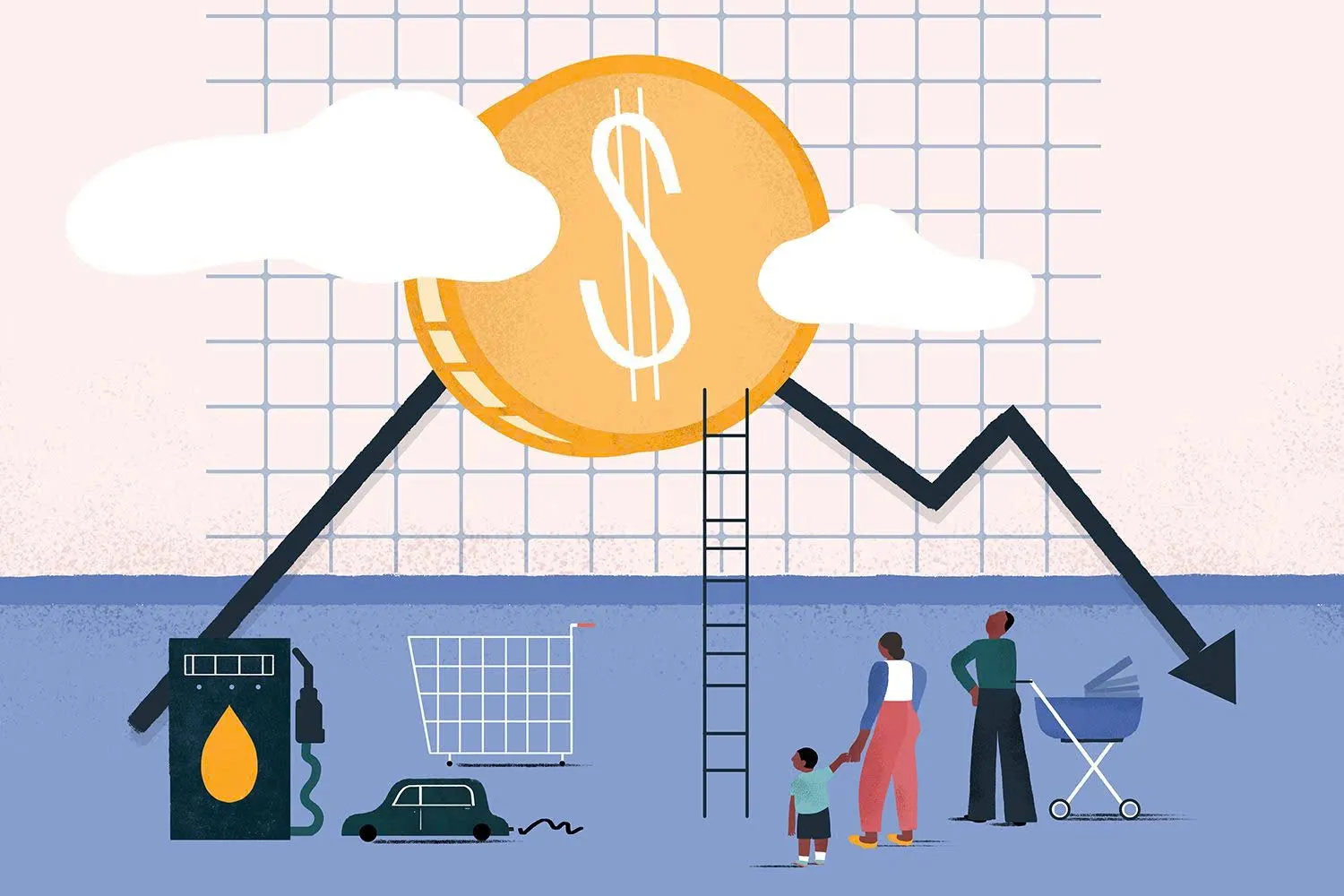
Current reality shows that the salaries for newly graduated workers in many industries are still quite low compared to living costs. When candidates express concerns about income, many businesses offer reasons to justify that salary level, such as: lack of experience, limited skills, the need for a training period, or having to prove their capabilities before getting a raise. These reasons are not unfounded, as businesses must also balance costs and labor efficiency. However, when starting salaries fail to keep pace with the rising cost of living, the financial pressure on young people becomes increasingly immense.
The difficulties are even more apparent for those who have to work far from their hometowns. Due to working conditions or the desire for personal development, many choose to move to major cities to seek opportunities. While those working near home are mostly concerned with expenses for gas, food, and entertainment, or if more affluent, can support their families with household expenses; those working far from home have to bear the additional costs of rent, utilities, and many other fees on top of food and commuting. After deducting all expenses, the remaining amount each month is not much, and some are almost entirely unable to save.
Meanwhile, the prices of goods and services continue to rise over time. From gasoline, food, and rent to utilities, tuition fees, and travel costs, everything tends to be higher than before. A plate of broken rice with grilled pork priced at 20,000 - 25,000 VND is gradually becoming hard to find in many urban areas, and a typical cup of milk tea nowadays also usually costs 30,000 VND or more. These seemingly small expenses, when accumulated over the month, create significant pressure, especially for those with low incomes.

Because of this, many young people have chosen different paths. Some, after graduating or working for just a few months, have decided to give up their jobs and dreams, opting to work abroad as exported labor to seek higher incomes and the opportunity to accumulate capital in a short time. Others switch to industries with high recruitment demand or take on multiple jobs at once to increase their income. These are choices stemming from the realities of life, where the immediate goal is not just career development but also ensuring financial stability.
Besides income pressure, today's labor market is also fiercely competitive. Many businesses prioritize young personnel who can adapt quickly, while certain positions face the trend of being replaced or restructured. This makes many feel pressured upon entering the ages of 30 - 35, a stage when their careers are just beginning to stabilize but they must also face the demands of improving their expertise, skills, and work productivity to maintain their competitive advantage and secure their positions.

Nevertheless, the starting salary is not the deciding factor for an entire career. In many professions, income increases along with experience, capacity, and the value each person creates. Instead of just looking at the numbers in the first few months, young people should view this as a period to accumulate practical knowledge, build professional skills, learn foreign languages, and establish professional networks. At the same time, it is necessary to learn how to manage personal finances, spend reasonably, and continuously improve capabilities to seize better income opportunities in the future.