
Con Son, Con Phung Tourism – Ideal rendezvous points for the hot season in the Mekong Delta
When the sweltering summer days blanket major cities, many tourists retreat to the Southwestern region to seek a cool green space, charming scenery, and closeness to nature. Among the prominent destinations, Con Son (Can Tho) and Con Phung (Ben Tre) are becoming two landmarks attracting a large number of domestic and foreign tourists, especially Chinese visitors.
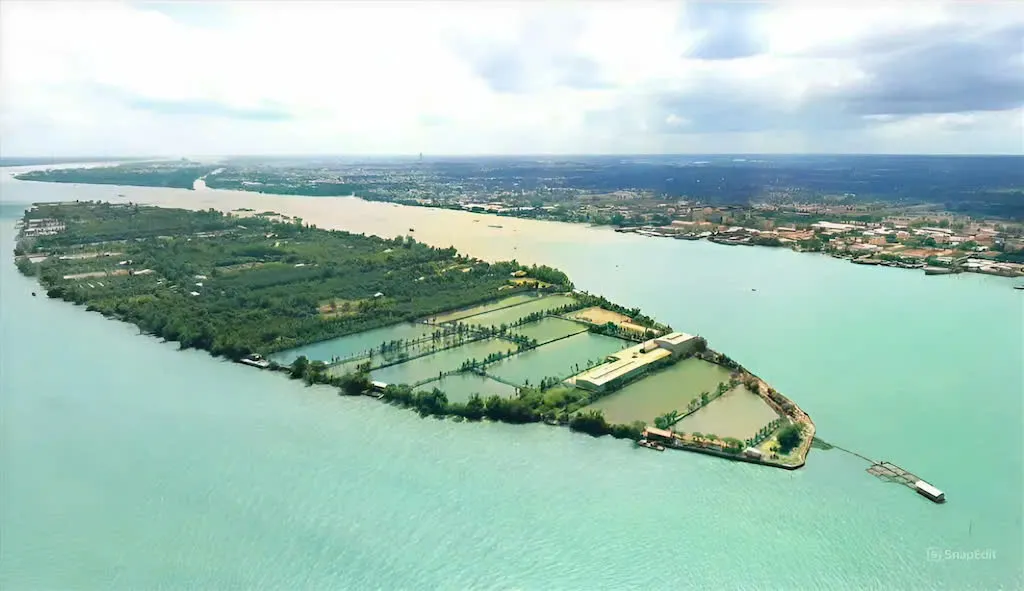
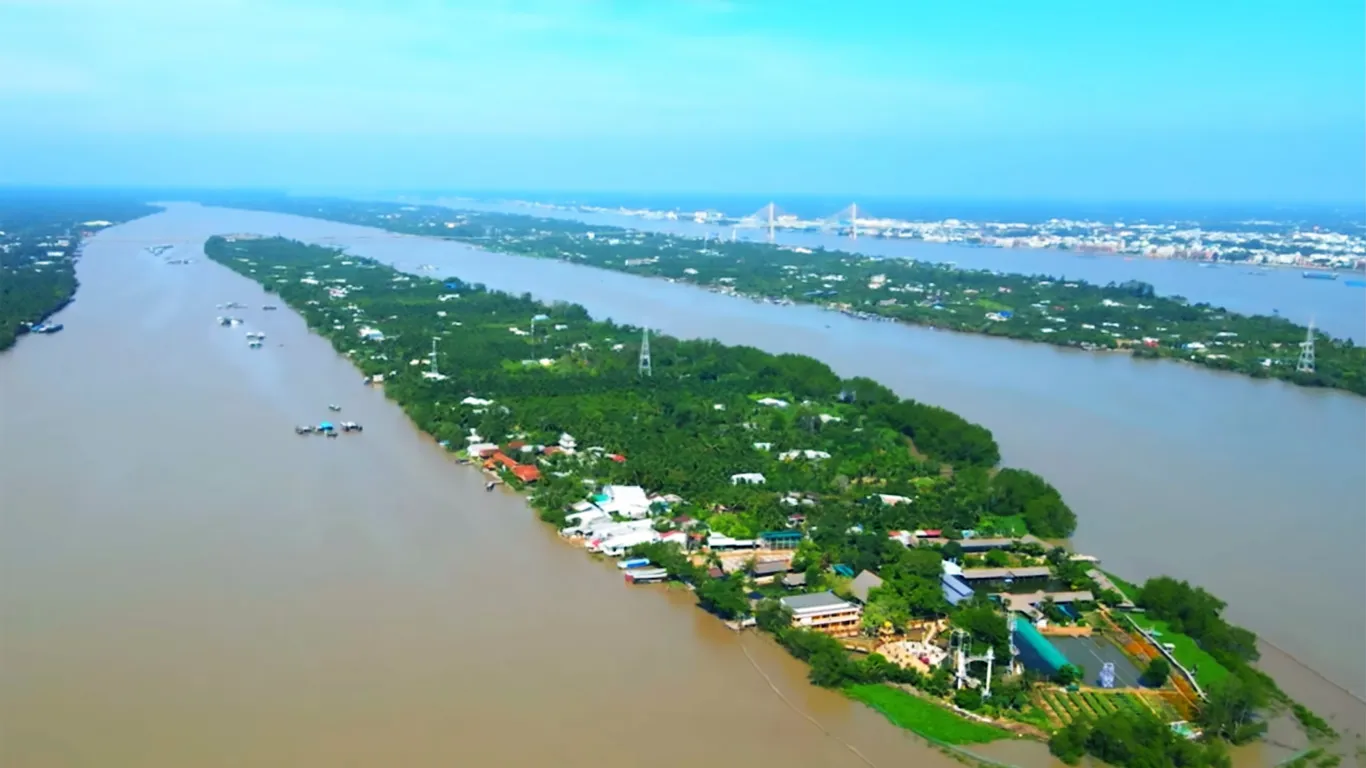
Located in the middle of the gentle Hau River, Con Son belongs to Binh Thuy District, Can Tho City. Previously, this place was just a small islet with the agricultural production activities of local people. Thanks to the community-based tourism model developed over the past decade, Con Son has become a typical eco-tourism destination in the Mekong Delta. On the other hand, Con Phung is situated on the Tien River in Chau Thanh District, Ben Tre Province, famous for its garden ecosystem, architectural works associated with the Coconut Religion (Dao Dua), and signature experiences of the riverine region.
In recent years, the number of international tourists visiting the Mekong Delta has grown significantly. Can Tho alone recorded over 11 million tourist arrivals in 2025, including more than 440,000 international visitors. Ben Tre also aims to welcome nearly 2.82 million visitors in 2025. According to reports from travel agencies, Chinese tourists are one of the fastest-growing international tourist groups in the region, accounting for a significant proportion of tour groups visiting Con Son and Con Phung from late 2025 to the first half of 2026.
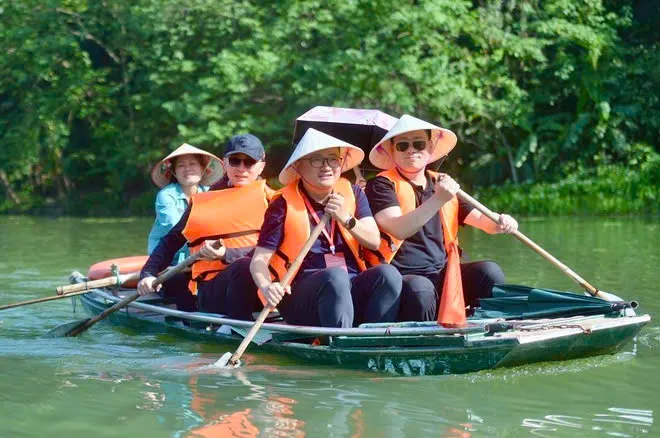
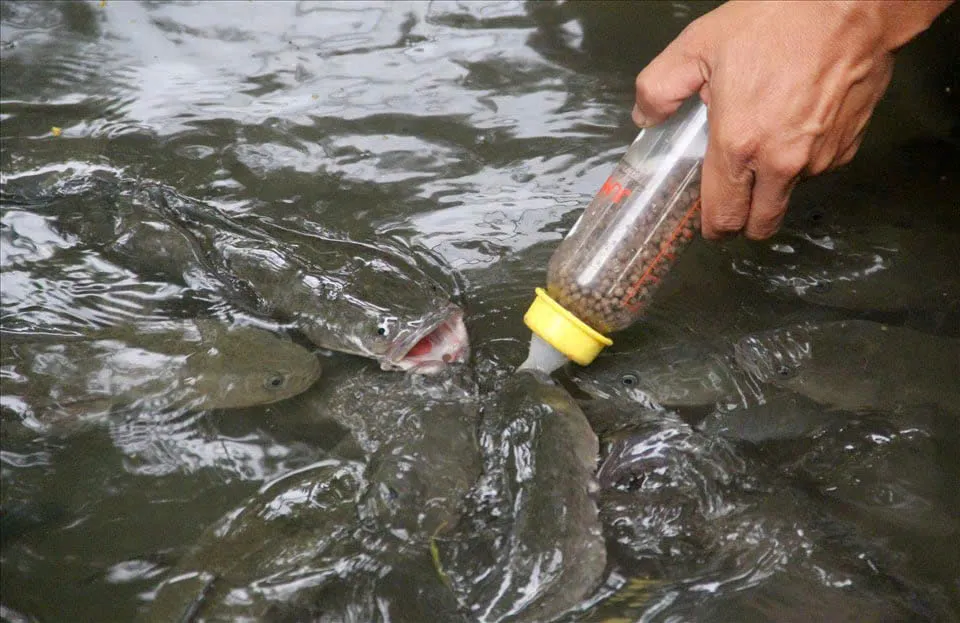
What makes these two tourist islets so attractive? First and foremost is the characteristic landscape of the western river region. At Con Son, visitors can witness fish performances with the "flying snakehead fish" and "bottle-feeding snakehead fish" shows, visit fruit orchards, paddle a small boat navigating through narrow canals, or experience the daily life of the indigenous people. The combination of a peaceful, cool green space and orchards heavily laden with rambutans, mangosteens, and durians brings a sense of relaxation amidst the hot season.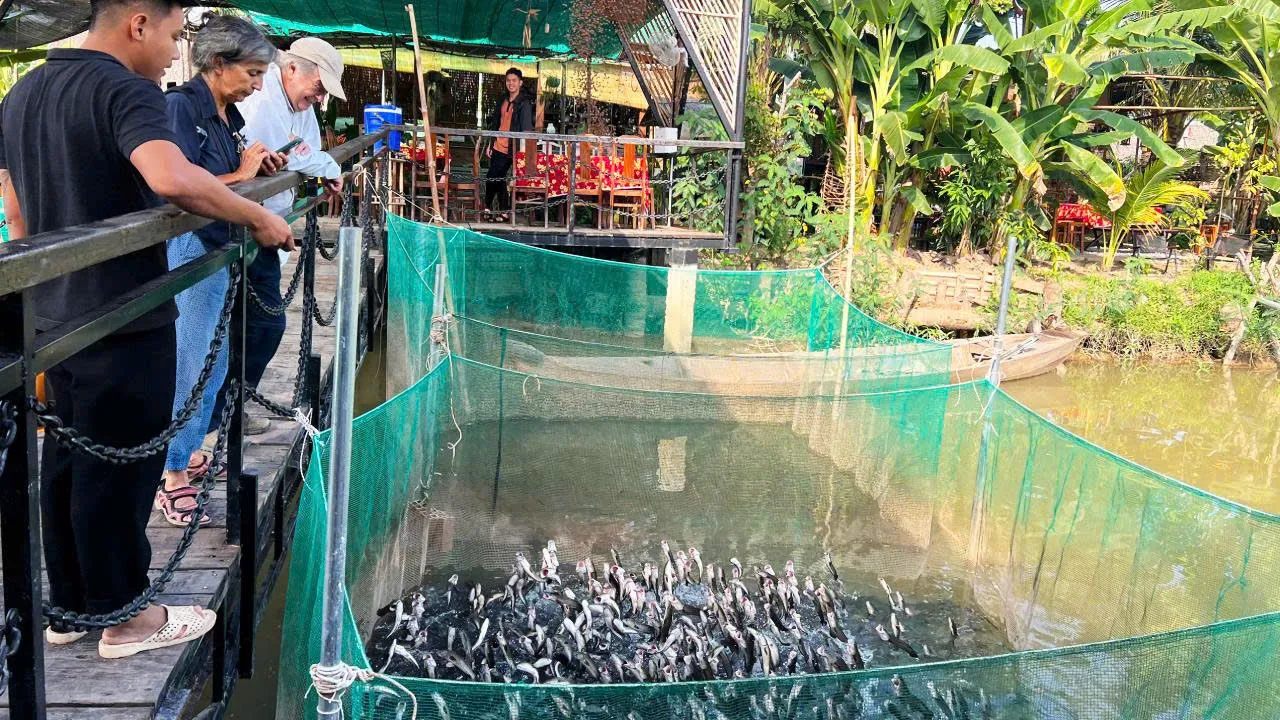
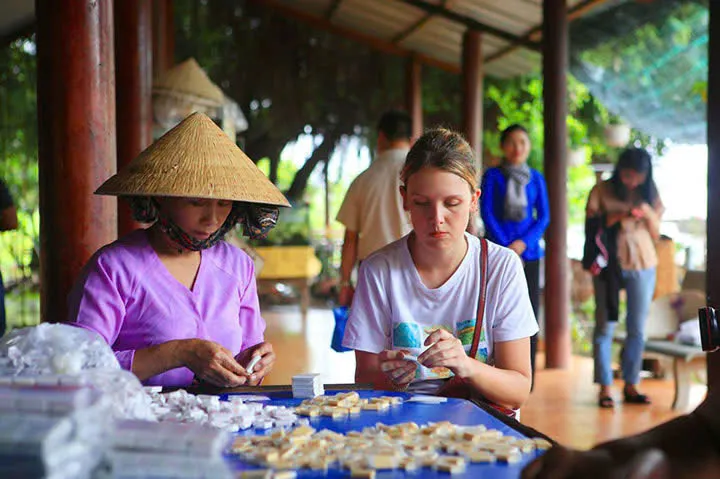
Meanwhile, Con Phung stands out with sightseeing cruises on the Tien River, riding a traditional three-plank wooden boat (Xuong Ba La) under the shade of water coconut trees, visiting a traditional coconut candy production facility, enjoying Southern amateur music (Don Ca Tai Tu), and exploring the Dao Dua relic site. These are experiences deeply imbued with local culture that many international tourists, especially Chinese tourists, are very fond of.
According to tourism experts, the trend of Chinese tourists coming to Con Son and Con Phung stems from several reasons. The first is the difference in culture and landscape compared to familiar coastal tourist destinations. The second is the reasonable cost, convenient transportation, and flexible sightseeing schedules. Furthermore, modern tourists tend to seek authentic experiences close to local life rather than merely visiting artificial structures. Therefore, these two locations have fallen right into their radar.
For tourists who want to explore these two locations independently, the ideal time is from December to May of the following year, when the weather is dry, with little rain, making it favorable for outdoor activities. From the center of Can Tho, it takes tourists only about 15 - 20 minutes by boat to reach Con Son. As for Con Phung, visitors can depart from My Tho or Ben Tre city, taking a tourist boat on the Tien River for a day trip. Some must-not-miss spots include floating fish rafts, ecological fruit orchards, and the flying snakehead fish performance area at Con Son; as well as the Dao Dua relic site, the coconut candy craft village, and rowing routes under the water coconut groves at Con Phung.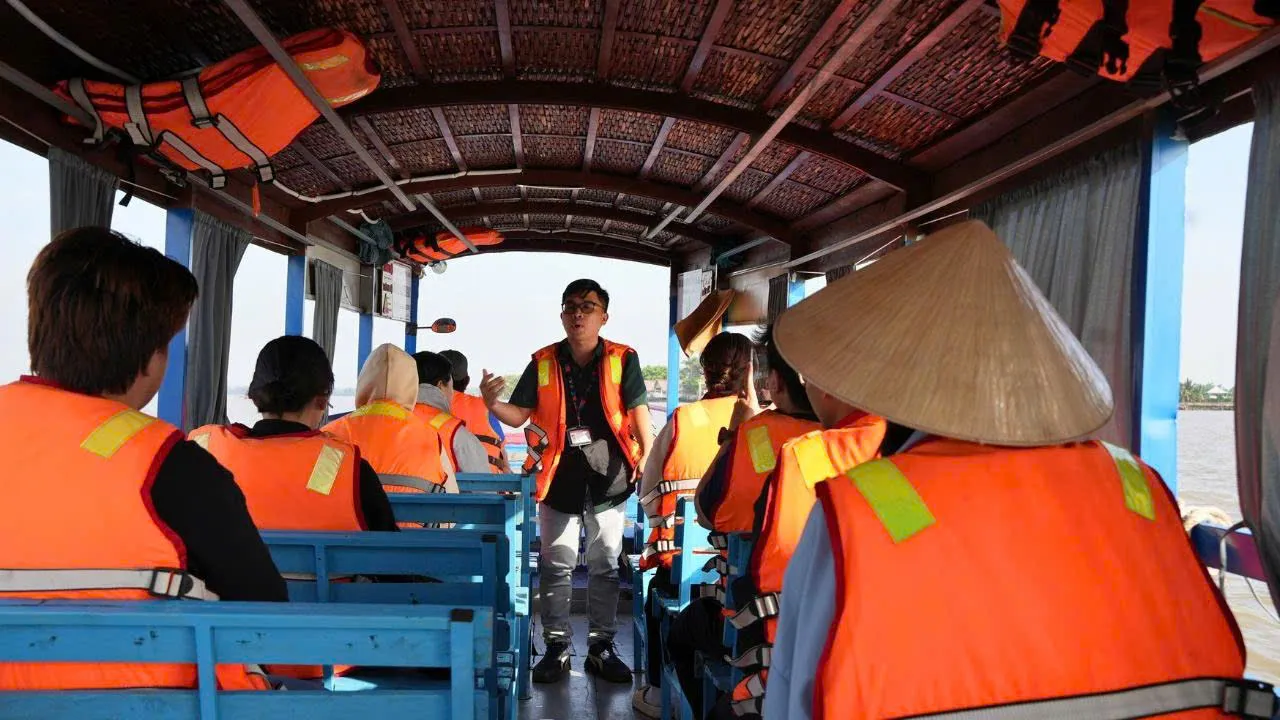
Without the need for luxurious resorts or modern architectural works, Con Son and Con Phung conquer tourists with the rustic beauty of the river region itself. In a context where experiential tourism and green tourism are increasingly favored, these two destinations are contributing to bringing the image of the Southwestern region closer to international friends, becoming an ideal choice for those who want to "escape the heat" and reconnect with nature during summer days.