
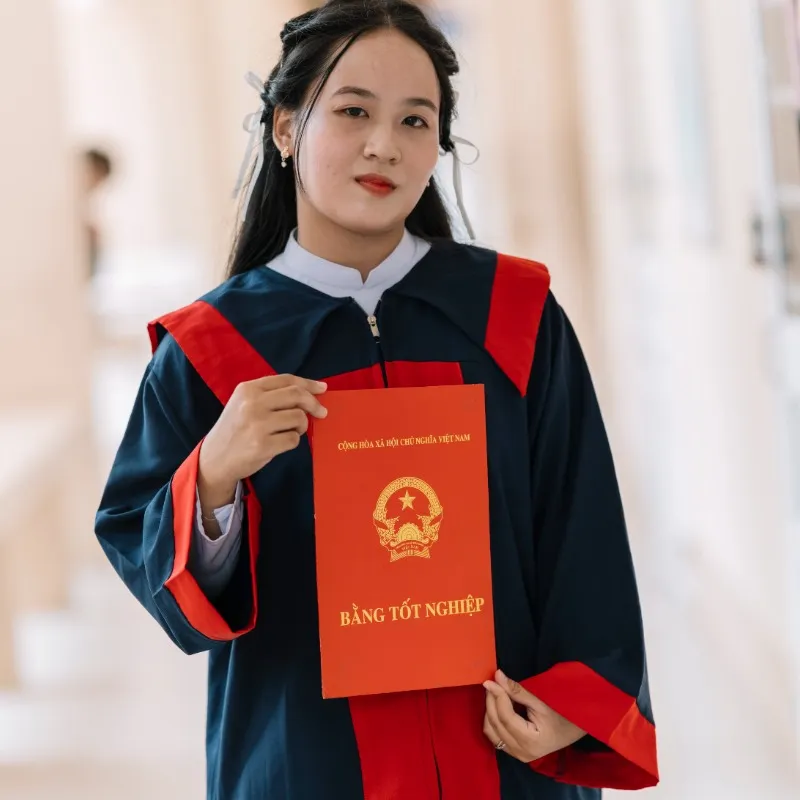
After completing the challenging and costly journey of studying abroad in the United States, every Vietnamese international student eventually faces a life-changing crossroads: Should they stay in the U.S. and enter one of the world’s most competitive labor markets, or pack their bags and return to Vietnam in search of opportunities on home soil?
Each choice comes with invaluable advantages, but also demands significant trade-offs. There is no one-size-fits-all answer for everyone.
Choosing to stay and work in the U.S. is, first and foremost, a commitment to pursuing professional excellence and gaining experience in a globally competitive work environment. Working for multinational corporations, including Fortune 500 companies, earning an income in U.S. dollars, and operating within a transparent workplace culture that rewards individual capabilities are undeniable advantages.
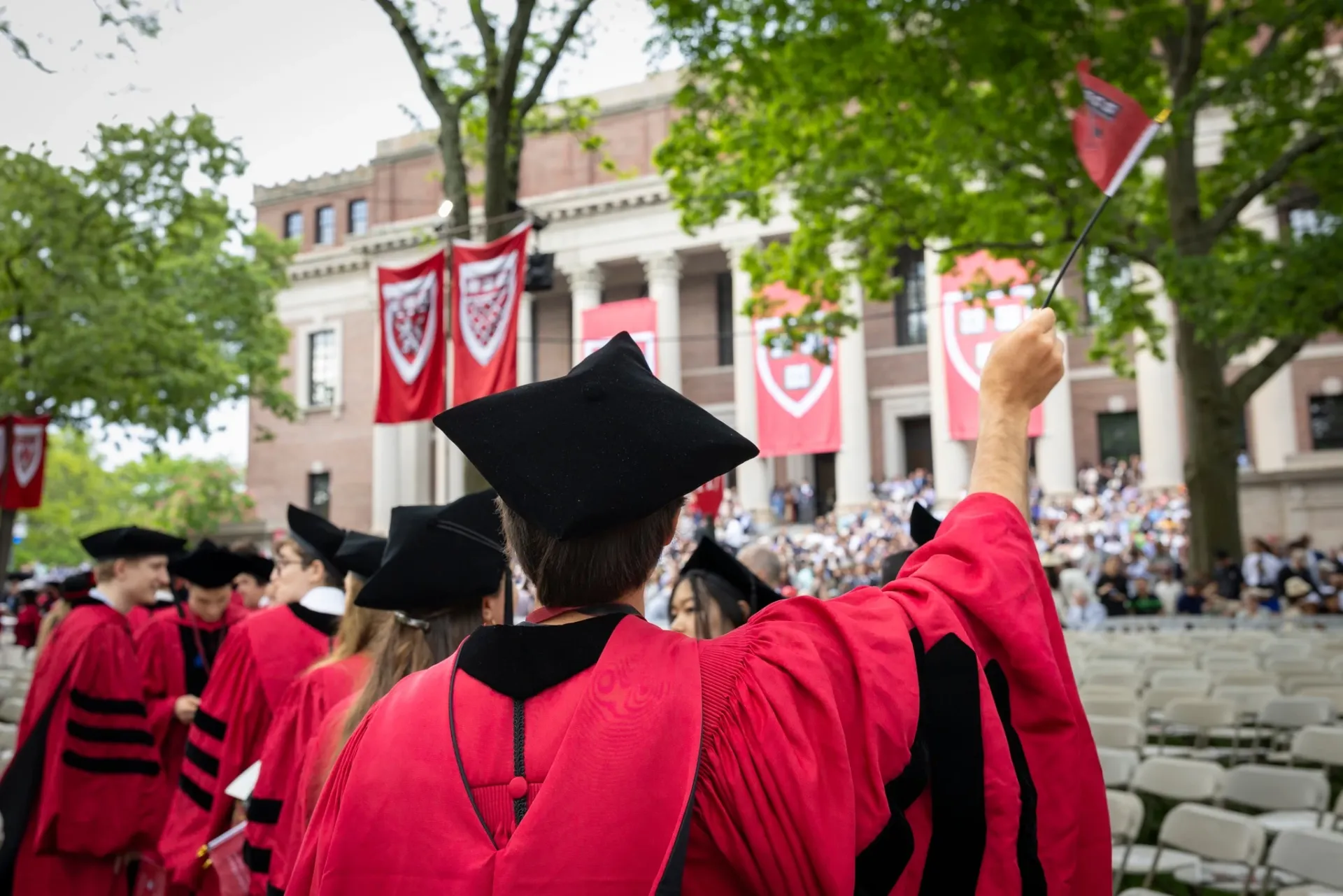
This decision is particularly viable for students who follow the Optional Practical Training (OPT) pathway. For most fields of study, international students can work legally in the U.S. for up to one year after graduation. For students in STEM (Science, Technology, Engineering, and Mathematics) fields, this period can be extended to as long as three years. This window provides a valuable opportunity to gain high-level practical experience, strengthen managerial and strategic thinking, and accumulate substantial foreign-currency savings to prepare for longer-term plans.
However, the allure of building a career in the U.S. has never meant an easy path for international workers, given the country’s complex legal barriers and increasingly stringent immigration policies. To transition from student status to longer-term employment, international graduates generally need an employer to sponsor an H-1B visa petition. The biggest obstacle is that even exceptional qualifications or a degree from a prestigious university do not guarantee an H-1B visa. The U.S. government uses a lottery system for oversubscribed H-1B registrations, making the competition extremely intense. As a result, the uncertainty surrounding long-term employment after OPT can turn life in the U.S. into a prolonged period of stress, particularly for young professionals who may face the prospect of having to leave the country if they lose their job or fail to secure an H-1B selection.
By contrast, returning to Vietnam immediately after graduation is increasingly becoming a proactive choice among highly qualified international graduates, driven by Vietnam’s dynamic economic growth and the strong wave of investment by multinational corporations in the country.

Vietnam’s labor market is increasingly seeking highly skilled professionals with global perspectives and strong foreign-language abilities to take on strategic and managerial roles. Many Vietnamese graduates who return home have quickly established themselves and achieved rapid career advancement, progress that might take considerably longer in the U.S. because of the structural challenges and barriers often faced by immigrant workers. Returning home also means being closer to family, having access to a strong social support network, and avoiding the loneliness and sense of being an outsider that some immigrants may experience abroad.
Nevertheless, returning to the domestic labor market can also deliver a reality check for U.S.-educated graduates, particularly because of differences in management culture and financial returns. After years of becoming accustomed to an independent, direct, and individual-rights-oriented workplace culture in the U.S., some international graduates may experience reverse culture shock when adapting to Vietnamese workplaces, where hierarchical structures, complex interpersonal dynamics, and less streamlined operating processes can still be common.
Moreover, a starting salary of approximately VND 15-25 million per month in major cities can appear modest compared with the billion-dong investment many families make in four years of overseas education. This disparity can create considerable psychological pressure for young graduates, who may feel compelled to prove that their overseas education has translated into tangible professional value.