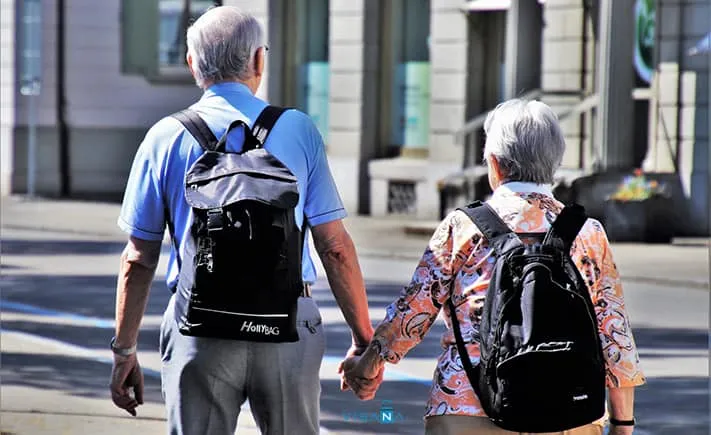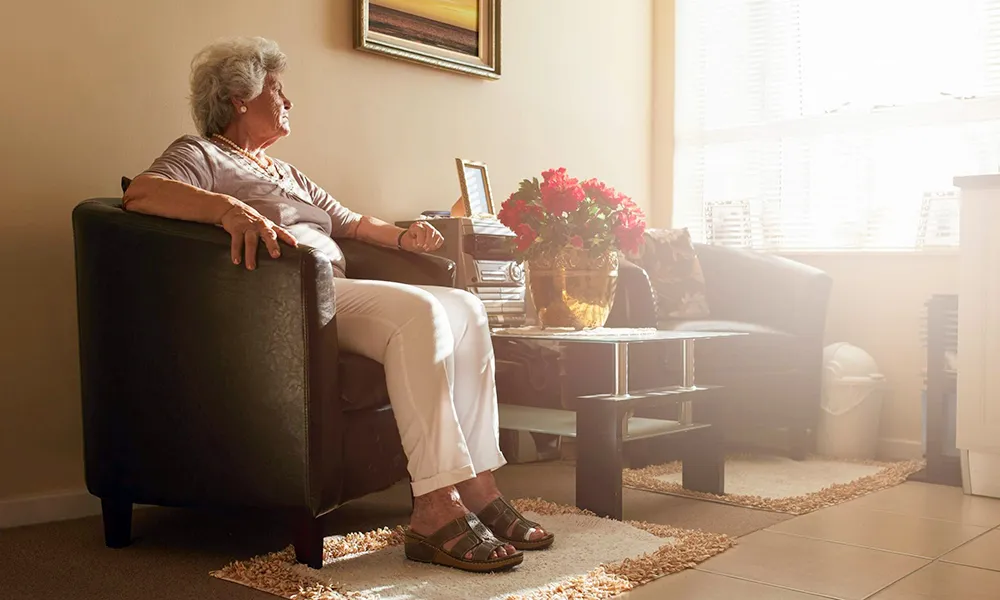
When children grow up, finish their education, and begin the journey toward independent living, their parents are also entering their later years and facing the vast emptiness that retirement can bring.
For older adults of Asian descent in general, and Vietnamese people living abroad in particular, loneliness after retirement is not simply about the absence of their children from an empty home. It also stems from profound cultural clashes, communication barriers, and a deep longing for a true companion with whom to share the final chapters of life.
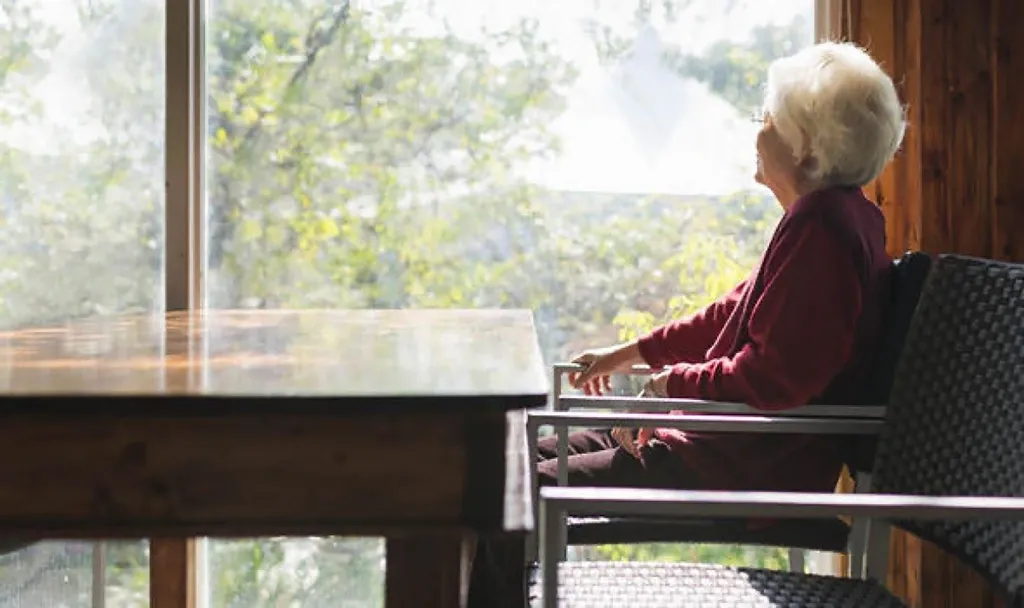
Emotional loneliness in old age often begins with empty nest syndrome, a profound sense of loss that arises when children, whom parents have spent half their lives raising and caring for, finally leave home. For Vietnamese people living overseas, this distance is further widened by generational and cultural differences.
While parents continue to hold traditional East Asian values about multigenerational families, believing that children will care for them in old age and that later life should be spent surrounded by children and grandchildren, those raised in Western societies often embrace independence. They are busy maintaining social relationships, dealing with career pressures, and building families of their own. As a result, the time they spend with their parents may be reduced to brief weekend phone calls or obligatory family gatherings on holidays.
The home that once echoed with laughter, footsteps, and the aroma of home cooking is now filled only with the ticking of a clock and an enveloping silence. The daily routine of retirement becomes a monotonous cycle of eating, watching television, cleaning, and going to bed. Without someone to talk to every day, older adults may fall into patterns of negative rumination. Casual stories about their children's workplace experiences and the challenges of daily life, once shared around the dinner table, have now been replaced by geographical distance and the boundaries of private lives.
Loneliness among retirees living abroad becomes even more intense when they step outside their homes. During their working years, employment and the workplace served as natural bridges that helped them maintain social interactions.
However, once they receive their retirement papers, that fragile connection is abruptly severed. Unlike native-born residents, who may find it relatively easy to join local clubs, older immigrants often face language barriers and profound cultural differences.
Being unable to speak the local language fluently makes them hesitant to communicate and more likely to withdraw into the safety of their own homes. The outside world, once vast and full of activity, suddenly becomes unfamiliar and unsettling. A trip to the supermarket, a medical appointment, or a walk in the park can trigger feelings of alienation when they are surrounded by faces, languages, and customs they struggle to understand or embrace.
They long to hear a greeting in their mother tongue, discuss familiar current affairs, or simply enjoy a conversation without having to mentally translate every word. When their children are no longer there to act as a bridge, older adults find themselves living quietly in places they have called home for decades, yet where they have never truly felt they fully belong.
Amid this pervasive loneliness and sense of emptiness, the need to find a companion becomes increasingly important. A companion in retirement does not necessarily need to share financial responsibilities, but should be someone with similar values, shared cultural memories, and a willingness to listen to even the smallest everyday concerns.
Those who successfully navigate the psychological challenges of retirement are often the ones who actively build multiple circles of social relationships. They begin seeking out fellow countrymen through associations, community centers, international churches, or local social media groups for Vietnamese residents.

A shared cultural background and similar experiences of living abroad help these relationships develop quickly, offering a soothing balm for the soul. Regular visits to a coffee shop, participation in gentle exercise sessions, art classes, or short volunteer trips not only help fill otherwise empty hours but also restore a sense of personal worth and connection to life.