
The 21st century has marked a profound transformation in human history as the Fourth Industrial Revolution has unfolded, bringing with it the dominance of the internet and digital platforms. Within this rapid transformation, the emergence and explosive growth of social media have created a major revolution, completely reshaping human behavior and communication patterns.
No longer restricted by geographical boundaries or differences in time, interaction can now take place in an instant with nothing more than a few taps on a flat screen. Social media is no longer merely a convenient technological tool. It has become a second social space in which people live, establishing new norms of communication. It has expanded the scope of human connection to an unprecedented level, while at the same time profoundly eroding some of the core values of traditional communication.
First and foremost, social media has given people a power that has never existed on such a scale in history: the democratization and globalization of information. In previous centuries, mass communication depended almost entirely on newspapers, television, or relatively slow forms of correspondence. Today, platforms such as Facebook, Instagram, and X (formerly Twitter) have transformed individuals into independent broadcasting channels. We no longer communicate only with those around us. Instead, we can instantly transmit a message to millions of people on the other side of the world.
According to global digital reports from We Are Social and Meltwater, as of early 2024, more than 5 billion people worldwide were active social media users, accounting for over 62% of the global population. In Vietnam alone, the figure stood at more than 70 million. The presence of billions of people online means that communication networks have expanded almost without limits. Barriers related to national borders, ethnicity, and social status have become less significant, as a student in a remote area can now participate directly in discussions with a renowned university professor through online academic communities. This cross border connectivity promotes the sharing of knowledge and creates opportunities for people to find communities that share their voices and ideals, thereby enriching the intellectual and emotional lives of humanity.
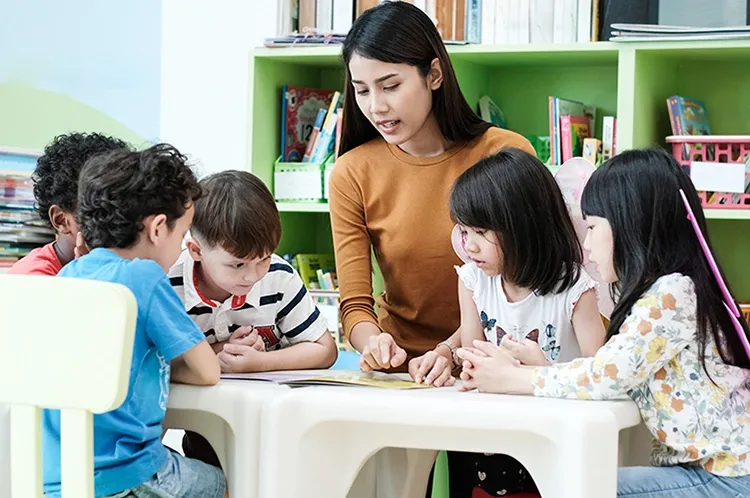
However, as the number of interactions increases exponentially, the quality of communication tends to decline in the opposite direction. Social media has replaced the depth of relationships with superficial forms of symbolic interaction. Face to face communication is inherently a multisensory process in which people understand and empathize with one another through eye contact, smiles, tone of voice, and even moments of silence. By contrast, communication on social media is reduced to a collection of lifeless symbols: a "like" button, a heart, or brief comments filled with abbreviations. People are gradually becoming less willing to explain themselves or express their thoughts and emotions in depth.
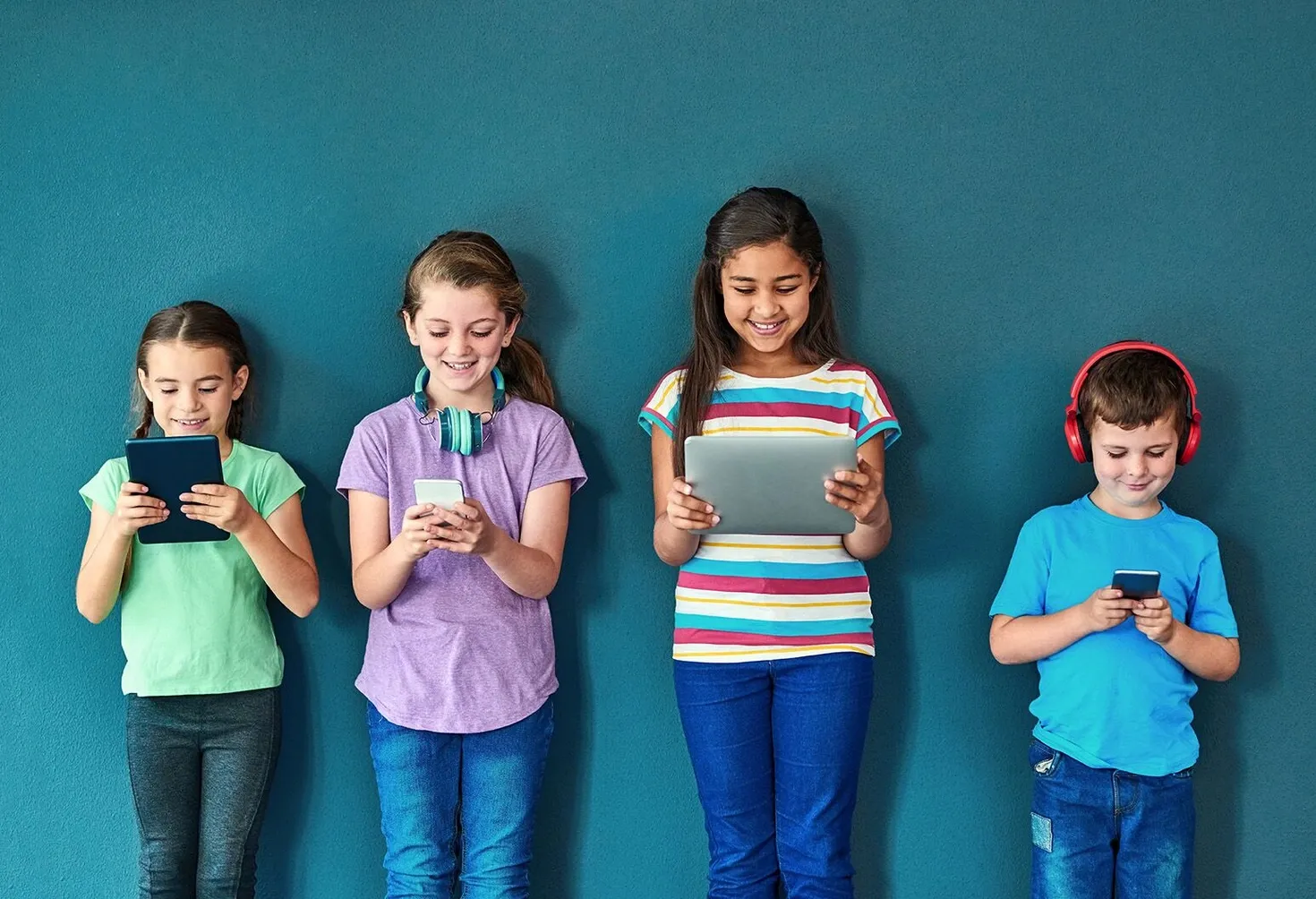
Sociologist Sherry Turkle of the Massachusetts Institute of Technology (MIT), author of the well known book Alone Together, has pointed out a painful paradox: we are more connected than ever, yet we understand one another less than ever. We may have thousands of "friends" on Facebook, but the number of people genuinely willing to listen when we face a crisis can be extremely small. Communication through screens allows people to control how they present themselves. We edit, revise, and carefully polish every sentence and photograph to showcase the most attractive version of ourselves. Yet this artificial perfection creates a wall that prevents genuine emotional connection between people.
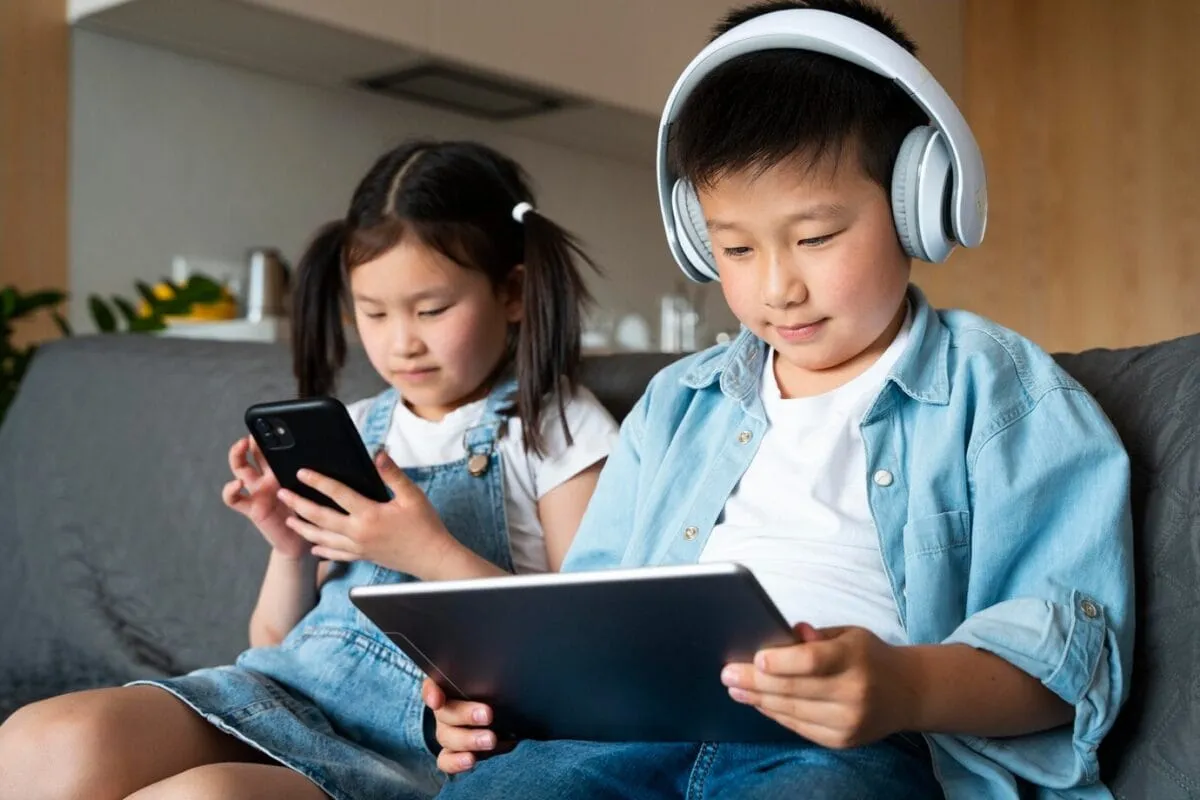
An even more serious consequence of this shift is the decline of real world communication skills, particularly among young people, the "digital citizens" who have been born and raised surrounded by technology. Excessive reliance on the virtual world can gradually weaken basic social skills such as reading body language, active listening, and regulating emotions according to real life situations. When faced with conflicts, instead of sitting down and talking things through to find a solution, many people choose to remain silent, "block" the other person, or post indirect and resentful messages on their personal profiles. This avoidance of direct communication makes relationships among family members, friends, and romantic partners more vulnerable to breakdown than ever before. People are gradually forgetting how to live with differences because social media algorithms tend to reinforce users' existing views by showing them information that aligns with their beliefs, unintentionally increasing prejudice and extremism in their thinking.
At the same time, social media has also distorted language and public behavior in negative ways. Anonymity and the sense of safety created by the distance behind a computer screen have removed the moral restraint of many users, turning online spaces into environments where verbal abuse can flourish. Discussions and civilized debates can easily turn into hostile arguments filled with insults and personal attacks.
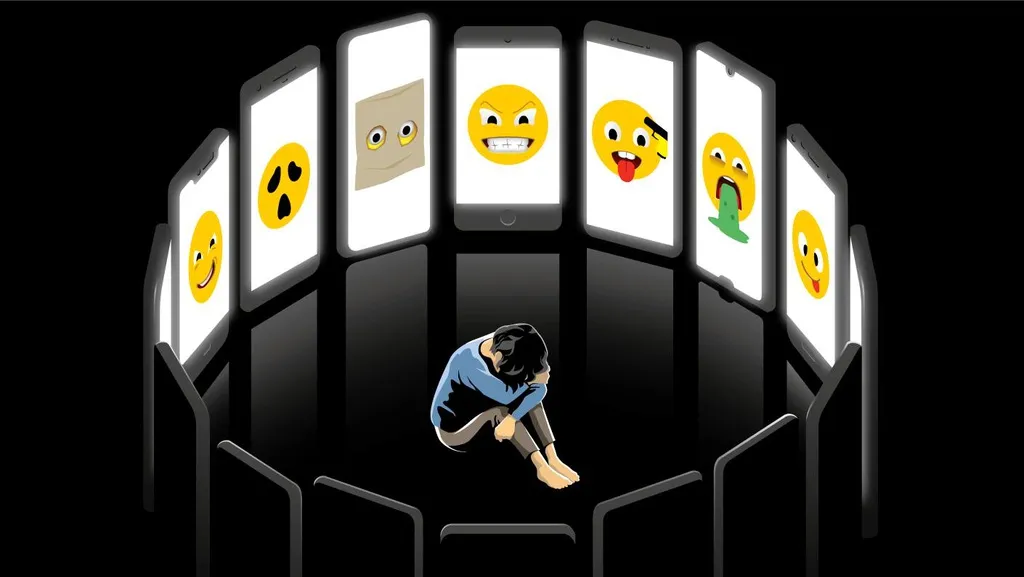
The tendency to follow the crowd in boycotting or humiliating an individual based solely on unverified information has caused victims immeasurable psychological suffering. The heartbreaking case of Japanese professional wrestler Hana Kimura, who died at the age of 22 after receiving tens of thousands of abusive messages on social media, is a tragic reminder of how devastating online words can be in the real world. When language is no longer accompanied by responsibility and empathy, communication loses its role as a means of reconciliation and instead becomes a destructive weapon that can shatter the peace of society.