
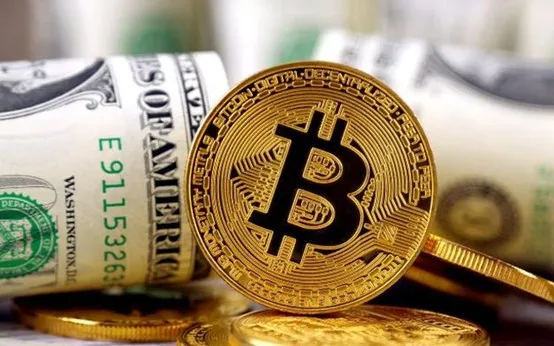
If one day the banknotes in your wallet, or the dancing numbers on your banking app no longer guarantee the labor you have put in, what will humans cling to? Throughout human history, currency has never carried intrinsic value; it is merely an illusion maintained by a massive social contract. We accept holding an inanimate piece of paper because we believe that tomorrow, the baker will also accept it. But what happens when that contract fractures, and the concept of "fiat money" is gradually stripped of its most sacred power: the ability to store value?
The global macroeconomic picture over the past decade has been a series of grueling tests for the monetary system. Originating from the 2008 financial crisis and exploding after the global pandemic, central banks have fallen into an inescapable vortex of money printing and quantitative easing. When trillions of dollars, euros, or Japanese yen are created with just a few mouse clicks, the inevitable consequence is surging inflation and public debt swelling to surreal levels. According to data from the Institute of International Finance (IIF), global debt surpassed the $315 trillion mark in early 2024, a figure that no real economy can keep up with. The devaluation of currency does not occur like a sudden explosion, but rather a "soft death." It is like an invisible thief, nibbling away a bit of purchasing power every day, turning people's efforts to save in cash into an act of self-eroding their own wealth.
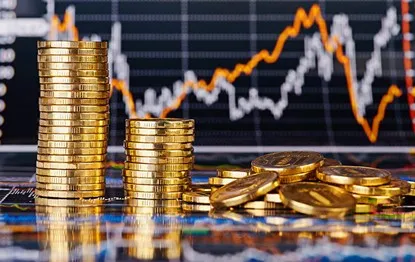
Faced with the slow collapse of the fortress wall named "purchasing power," the behavior of global capital flows has polarized deeply and drastically. Institutional investors and traditional cash flows immediately return to humanity's most ancient safe haven: Gold. Not only individuals, but even governments are exerting themselves to hoard this precious metal. The World Gold Council (WGC) has recorded a wave of record gold buying by central banks, especially from Eastern nations, aimed at reducing dependence on the USD. Meanwhile, at another extreme, the younger generation, those born in the digital era who feel left out of the traditional asset game due to escalating real estate prices, choose to look up to cyberspace. They find in cryptocurrency, especially Bitcoin, a form of "digital gold" with an absolutely limited supply governed by mathematics. This shift is not merely speculation, but a vote of no confidence against the current financial system.
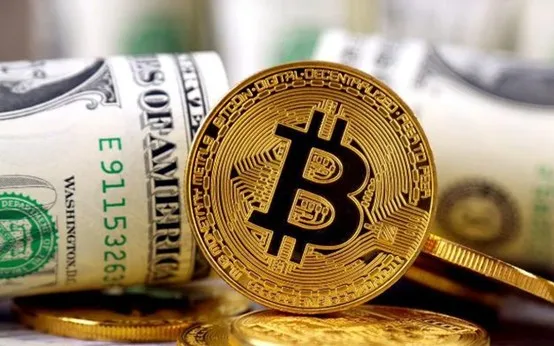
The current tug-of-war between the US Dollar, Gold, and Bitcoin is essentially a collision of three financial ideologies. The American greenback, representing state power and military might, still holds its throne in international payments and liquidity, but carries within it the seed of unlimited inflation. Gold, bearing the consensus of thousands of years of history, is a tangible asset, immune to the default risk of any third party, but is bulky and lacks flexibility in a flat economy. In contrast, Bitcoin represents decentralization and absolute scarcity. It does not need a central bank to guarantee it, its supply cannot be manipulated, and it is easily transported across borders with just a piece of code, but it faces fierce price volatility and wary eyes from lawmakers.
Looking to the future, the scenario of a financially multipolar world is becoming increasingly clear. We are entering an era where the concept of an exclusive "central currency" may become a thing of the past. Nations will operate based on a more diverse reserve currency basket, where central bank digital currencies (CBDC), gold, hard foreign currencies, and even decentralized crypto assets will coexist and compete fiercely. The collapse of a unipolar monetary system will open a period of fragmentation, but at the same time, it is an opportunity to reshape a fairer financial architecture.
The regression in the store-of-value function of fiat money has exposed a profound nature of economics: Assets are never just soulless numbers on an electronic board or blocks of metal lying still in a dark vault. Wealth, in its purest form, is precisely the measure of trust. When trust in the promises of governments is eroded by inflation and debt, humans are forced to seek new anchors, whether it is the guarantee of nature like gold, or the guarantee of mathematics like Bitcoin. Because ultimately, humans do not store money; humans are striving to store their own time, sweat, and hope for an uncertain future.