
Uncategorized
WORDS IN FAMILY CONFLICT: INVISIBLE WOUNDS AND THE IRREVERSIBILITY OF PSYCHOLOGICAL TRAUMA
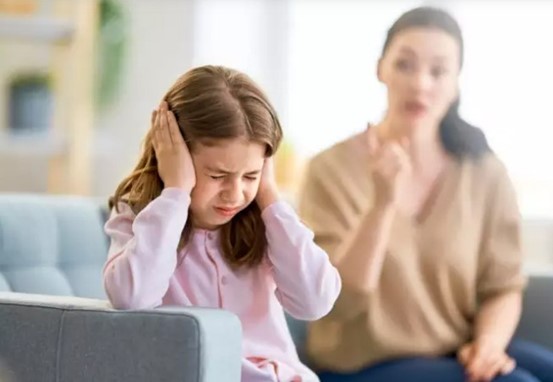
The family, according to universal conception, is the most peaceful place for humans to return to after the storms of life, the most critical psychological "safe zone." However, paradoxically, the very closeness and deep understanding between members can turn the family into an environment prone to the most painful injuries. Reality shows that the breakdown of these social cells rarely begins immediately with physical violence, but often originates from invisible cracks caused by verbal violence.
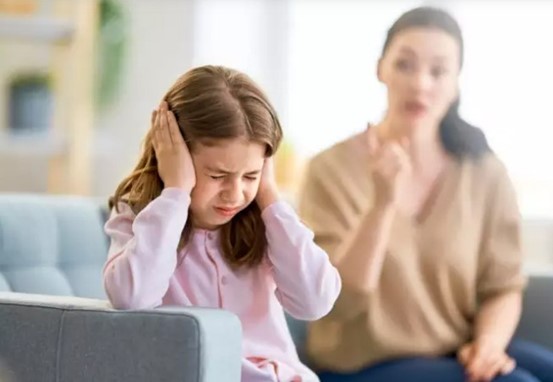
The family, according to universal conception, is the most peaceful place for humans to return to after the storms of life, the most critical psychological "safe zone." However, paradoxically, the very closeness and deep understanding between members can turn the family into an environment prone to the most painful injuries. Reality shows that the breakdown of these social cells rarely begins immediately with physical violence, but often originates from invisible cracks caused by verbal violence.
In moments of temporary anger, words cease to be communication tools and transform into lethal weapons. The research problem posed here is not just "what we say when angry," but "why fleeting words have the weight to permanently crush a relationship." This article will deeply analyze the psychological mechanism of words in conflict, clarifying the irreversible nature of mental trauma and the intimate link between the lack of verbal control and the disintegration of the modern family structure.
To understand the destructive power of words, we must view them from a psychosocial behavioral perspective. Words are not merely sounds or characters but vessels containing the speaker's emotions, attitudes, and power. Unlike physical injury, where wounds can be seen, treated, and scarred biologically, trauma caused by words directly impacts human belief systems and self-esteem. This wound is invisible and hard to quantify, yet capable of festering and recurring whenever memories are triggered.
Particularly in negative emotional states like anger or jealousy, the human brain is often "hijacked" by the amygdala, impairing the cortex's logical thinking and verbal control. Consequently, words tend to be radicalized: exaggerating faults, imputing character flaws, and attacking the opponent's most sensitive weaknesses. The most dangerous aspect of this process is its "irreversibility." A word spoken is like spilt water; it cannot be gathered back intact. An apology later may soothe the situation, but it cannot erase the memory of the insult that has etched itself deep into the listener's mind.
In spousal relationships, the lethality of words often stems from the parties understanding each other's weaknesses too well. When conflict escalates, instead of debating the current issue, they tend to "dig up" the past, compare their partner to others, or use terms threatening the safety of the relationship, such as "divorce," "breakup," or "I regret marrying you." These statements destroy the sense of safety, the most crucial foundation of marriage, leaving the listener constantly in a state of defensiveness and insecurity.
Regarding the parent-child relationship, the power disparity makes parental words carry the weight of a "verdict." Seemingly harmless scoldings like "you're useless," "why aren't you like others," or "I'm ashamed of you" are actually direct attacks on the child's developing personality. Children lack the ability to resist or filter information; they will default to accepting these judgments as truths about themselves. Similarly, generational differences lead to conflicts in life views, where the lack of verbal restraint on both sides creates vast, hard-to-bridge emotional distances.
The consequences of uncontrolled speech in the family go far beyond temporary sadness. Regarding mental health, victims of verbal abuse frequently fall into states of anxiety, depression, and deep self-doubt. When the family is no longer a safe place to share, members tend to withdraw, creating a state of "toxic silence," an invisible wall blocking connection.
In the long run, these accumulated injuries will erode cohesion, leading to fractures or the complete breakup of the family. More dangerously, it creates an intergenerational cycle. Children growing up in an environment filled with criticism and contempt will unconsciously learn those negative communication patterns. Upon reaching adulthood and starting families, they are at high risk of becoming those who inflict pain on their spouses or children with the very harsh words they once endured, turning personal pain into a sad family legacy.
Placed in the context of jealousy—the topic discussed previously—words act as a catalyst causing conflicts to explode violently. Jealousy inherently carries suspicion and a desire for control; when combined with a loss of composure, it produces words that are accusatory and heavily degrading to the partner's dignity.
Sarcastic rhetorical questions, curses attributing adulterous guilt without concrete evidence, or insults to a partner's honor are the clearest manifestations. Jealousy resonates with negative language to form a downward spiral: jealousy leads to insulting words, insulting words lead to hurt and distance, and distance further increases suspicion and jealousy. This is the perfect formula to destroy any relationship, no matter how deep the emotional foundation once was.
To stop the destruction of words, solutions need to be implemented synchronously from the individual to the social level. At the individual level, the most important skill is "the pause", the ability to recognize emotions and stop the reaction for a few seconds before uttering lethal words. Practicing non-violent communication is key: focus on expressing one's own emotions and needs instead of judging or attacking others.
In moments of temporary anger, words cease to be communication tools and transform into lethal weapons. The research problem posed here is not just "what we say when angry," but "why fleeting words have the weight to permanently crush a relationship." This article will deeply analyze the psychological mechanism of words in conflict, clarifying the irreversible nature of mental trauma and the intimate link between the lack of verbal control and the disintegration of the modern family structure.
To understand the destructive power of words, we must view them from a psychosocial behavioral perspective. Words are not merely sounds or characters but vessels containing the speaker's emotions, attitudes, and power. Unlike physical injury, where wounds can be seen, treated, and scarred biologically, trauma caused by words directly impacts human belief systems and self-esteem. This wound is invisible and hard to quantify, yet capable of festering and recurring whenever memories are triggered.
Particularly in negative emotional states like anger or jealousy, the human brain is often "hijacked" by the amygdala, impairing the cortex's logical thinking and verbal control. Consequently, words tend to be radicalized: exaggerating faults, imputing character flaws, and attacking the opponent's most sensitive weaknesses. The most dangerous aspect of this process is its "irreversibility." A word spoken is like spilt water; it cannot be gathered back intact. An apology later may soothe the situation, but it cannot erase the memory of the insult that has etched itself deep into the listener's mind.
In spousal relationships, the lethality of words often stems from the parties understanding each other's weaknesses too well. When conflict escalates, instead of debating the current issue, they tend to "dig up" the past, compare their partner to others, or use terms threatening the safety of the relationship, such as "divorce," "breakup," or "I regret marrying you." These statements destroy the sense of safety, the most crucial foundation of marriage, leaving the listener constantly in a state of defensiveness and insecurity.
Regarding the parent-child relationship, the power disparity makes parental words carry the weight of a "verdict." Seemingly harmless scoldings like "you're useless," "why aren't you like others," or "I'm ashamed of you" are actually direct attacks on the child's developing personality. Children lack the ability to resist or filter information; they will default to accepting these judgments as truths about themselves. Similarly, generational differences lead to conflicts in life views, where the lack of verbal restraint on both sides creates vast, hard-to-bridge emotional distances.
The consequences of uncontrolled speech in the family go far beyond temporary sadness. Regarding mental health, victims of verbal abuse frequently fall into states of anxiety, depression, and deep self-doubt. When the family is no longer a safe place to share, members tend to withdraw, creating a state of "toxic silence," an invisible wall blocking connection.
In the long run, these accumulated injuries will erode cohesion, leading to fractures or the complete breakup of the family. More dangerously, it creates an intergenerational cycle. Children growing up in an environment filled with criticism and contempt will unconsciously learn those negative communication patterns. Upon reaching adulthood and starting families, they are at high risk of becoming those who inflict pain on their spouses or children with the very harsh words they once endured, turning personal pain into a sad family legacy.
Placed in the context of jealousy—the topic discussed previously—words act as a catalyst causing conflicts to explode violently. Jealousy inherently carries suspicion and a desire for control; when combined with a loss of composure, it produces words that are accusatory and heavily degrading to the partner's dignity.
Sarcastic rhetorical questions, curses attributing adulterous guilt without concrete evidence, or insults to a partner's honor are the clearest manifestations. Jealousy resonates with negative language to form a downward spiral: jealousy leads to insulting words, insulting words lead to hurt and distance, and distance further increases suspicion and jealousy. This is the perfect formula to destroy any relationship, no matter how deep the emotional foundation once was.
To stop the destruction of words, solutions need to be implemented synchronously from the individual to the social level. At the individual level, the most important skill is "the pause", the ability to recognize emotions and stop the reaction for a few seconds before uttering lethal words. Practicing non-violent communication is key: focus on expressing one's own emotions and needs instead of judging or attacking others.