
Uncategorized
THE IMPACT OF THE DIGITAL ENVIRONMENT ON THE PSYCHOLOGICAL HEALTH OF MODERN HUMANS
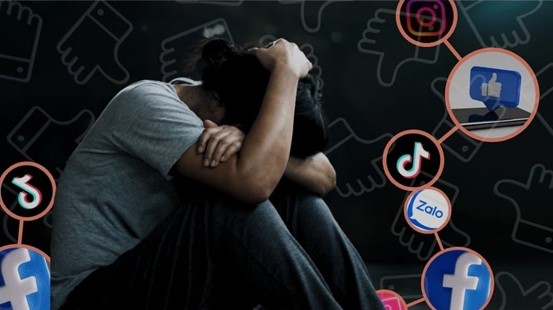
The explosion of the Industry 4.0 revolution has constructed a new living space for humanity: the digital environment. With the ubiquity of social media, online platforms, and smart devices, the structure of modern human mental life has changed fundamentally and profoundly. We are living in a hyper-connected era, where every piece of information and every relationship is just a touch away. However, alongside the undeniable benefits regarding access to knowledge and social connection, the digital environment is posing unprecedented challenges to mental health.
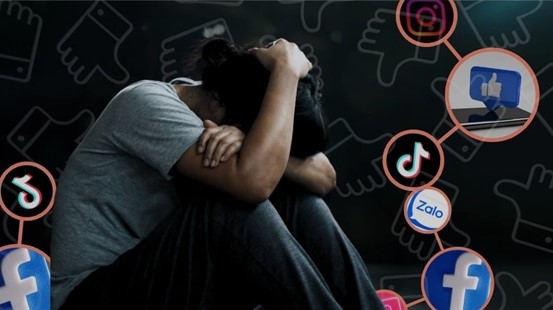
The explosion of the Industry 4.0 revolution has constructed a new living space for humanity: the digital environment. With the ubiquity of social media, online platforms, and smart devices, the structure of modern human mental life has changed fundamentally and profoundly. We are living in a hyper-connected era, where every piece of information and every relationship is just a touch away. However, alongside the undeniable benefits regarding access to knowledge and social connection, the digital environment is posing unprecedented challenges to mental health.
Recent epidemiological and psychological studies have pointed out a disturbing paradox: as digital connectivity increases, human happiness indices and psychological health tend to decline. The central research question posed is not merely whether the digital environment is harmful, but through what complex mechanisms it impacts the human mind and to what extent it affects cognitive, emotional, and behavioral aspects.
The digital environment within the scope of this study is understood as the entire space of online interaction, including social networks (Facebook, TikTok, Instagram...), media platforms, entertainment, and digital communication tools. This is not merely a tool but a vibrant ecosystem where humans construct their identities and maintain social relationships. Counterbalancing this is the concept of psychological health, defined as a state of balance in emotions, cognition, and behavior, allowing individuals to adapt effectively to life's pressures and contribute to the community, rather than merely the absence of mental disorders.
Second is Information Overload Theory. The human brain has limits on its cognitive processing capacity. However, the digital environment, with its endless stream of information, constantly bombards the mind, forcing the brain to process beyond its capacity. This situation leads to cognitive energy depletion, reducing the ability to focus deeply and increasing levels of neural stress.
Third, and most importantly, is the Neural Reward Model. Digital platforms are designed based on the mechanism of stimulating the brain's dopamine system. Likes, notifications, or comments act as unpredictable variable rewards, a mechanism similar to that found in gambling. This triggers a repetitive behavioral loop, creating a momentary sense of euphoria but leading to a long-term risk of dependency and digital withdrawal syndrome when access is removed.
Empirical evidence has concretized the above theories into alarming figures. Regarding the link to depression and anxiety, many cross-sectional and longitudinal studies have shown that those who spend many hours a day on social media have significantly higher reporting rates of anxiety, loneliness, and depression symptoms compared to the low-usage group. Dependence on virtual approval makes an individual's self-esteem fragile and reliant on external interaction metrics.
Another distinct biological impact is the effect on sleep. Blue light from device screens suppresses the production of melatonin, the hormone that regulates sleep. Using devices before bed not only disrupts the circadian rhythm but also stimulates the brain to maintain a state of alertness, leading to chronic sleep deprivation. Sleep deprivation, in turn, is a direct cause of impaired emotional regulation, creating a negative vicious cycle.
The impact of the digital environment on human psychology can be decoded through three dominant theoretical frameworks.
First is Social Comparison Theory. Humans have an instinct to evaluate themselves by comparing themselves to others. Social media, characterized as a showcase of the most perfect moments of life, has increased the frequency and intensity of this comparison to unprecedented levels. When constantly exposed to carefully filtered images of success, wealth, and happiness, individuals easily fall into a state of "upward comparison," leading to feelings of inferiority, self-doubt, and envy.
Furthermore, the attention span of modern humans is being severely degraded. The habit of constantly switching between browser tabs, apps, or short-form content has created the "popcorn brain" phenomenon, where focus is fragmented, making it difficult to maintain deep attention on a long-term task.
Although the impact is universal, the degree of influence varies markedly by demographic group. Adolescents are the most vulnerable group because their brains are in a developmental stage, particularly the prefrontal cortex responsible for impulse control. The need for self-affirmation and peer pressure makes them easily swept into the spiral of comparison and cyberbullying. Additionally, high-intensity online workers, those with a history of anxiety disorders, or individuals lacking real-life social support systems are also heavily impacted subjects, as the virtual world becomes their sole, yet insecurity-filled, refuge.
In the long term, immersion in the digital environment can lead to sustainable transformations in psychological structure. The first consequence is a decline in emotional regulation capabilities. When accustomed to seeking instant relief through a screen, humans gradually lose the ability to endure boredom or self-soothe in difficult real-life situations. Paradoxically, despite dense online interaction, feelings of loneliness and social isolation increase, because virtual connections often lack the emotional depth and physical presence necessary for biological bonding. Moreover, direct communication skills, the ability to read body language, and empathy are also at risk of atrophy, especially in the younger generation born in the digital age.
From the above analyses, it can be affirmed that psychological health in the digital environment is no longer a matter of personal habit but has become a public health challenge. Widespread decline in mental health directly impacts national labor productivity, the learning quality of future generations, and the stability of the social structure. When a large portion of the population falls into a state of anxiety, exhaustion, or technological dependence, creativity and community cohesion will be seriously threatened.
To solve this problem, a multi-level approach is needed. At the individual level, the solution is not to reject technology but to manage it mindfully. Establishing boundaries for usage time, practicing periodic "digital detox," and actively nurturing real-life relationships are essential steps.
At the educational level, "digital mental hygiene" programs need to be introduced in schools, equipping students with critical thinking skills regarding information and the ability to protect themselves from online pressures. Finally, at the policy and technology level, regulations are needed to force digital platforms to design more humane products that protect users, limiting addictive algorithms or the exploitation of human psychological weaknesses for profit.
The digital environment is a new environmental variable, but it has a powerful and profound impact on the psychological ecosystem of modern humans. Its impact does not stop at immediate reactions but accumulates into long-term changes in brain structure and social behavior. Mental healthcare and research in the 21st century cannot be separated from the technological context. Only by fully being aware of the mechanisms of impact and actively building a healthy relationship with technology can humans leverage the power of the digital era without trading away their peace of mind.
Recent epidemiological and psychological studies have pointed out a disturbing paradox: as digital connectivity increases, human happiness indices and psychological health tend to decline. The central research question posed is not merely whether the digital environment is harmful, but through what complex mechanisms it impacts the human mind and to what extent it affects cognitive, emotional, and behavioral aspects.
The digital environment within the scope of this study is understood as the entire space of online interaction, including social networks (Facebook, TikTok, Instagram...), media platforms, entertainment, and digital communication tools. This is not merely a tool but a vibrant ecosystem where humans construct their identities and maintain social relationships. Counterbalancing this is the concept of psychological health, defined as a state of balance in emotions, cognition, and behavior, allowing individuals to adapt effectively to life's pressures and contribute to the community, rather than merely the absence of mental disorders.
Second is Information Overload Theory. The human brain has limits on its cognitive processing capacity. However, the digital environment, with its endless stream of information, constantly bombards the mind, forcing the brain to process beyond its capacity. This situation leads to cognitive energy depletion, reducing the ability to focus deeply and increasing levels of neural stress.
Third, and most importantly, is the Neural Reward Model. Digital platforms are designed based on the mechanism of stimulating the brain's dopamine system. Likes, notifications, or comments act as unpredictable variable rewards, a mechanism similar to that found in gambling. This triggers a repetitive behavioral loop, creating a momentary sense of euphoria but leading to a long-term risk of dependency and digital withdrawal syndrome when access is removed.
Empirical evidence has concretized the above theories into alarming figures. Regarding the link to depression and anxiety, many cross-sectional and longitudinal studies have shown that those who spend many hours a day on social media have significantly higher reporting rates of anxiety, loneliness, and depression symptoms compared to the low-usage group. Dependence on virtual approval makes an individual's self-esteem fragile and reliant on external interaction metrics.
Another distinct biological impact is the effect on sleep. Blue light from device screens suppresses the production of melatonin, the hormone that regulates sleep. Using devices before bed not only disrupts the circadian rhythm but also stimulates the brain to maintain a state of alertness, leading to chronic sleep deprivation. Sleep deprivation, in turn, is a direct cause of impaired emotional regulation, creating a negative vicious cycle.
The impact of the digital environment on human psychology can be decoded through three dominant theoretical frameworks.
First is Social Comparison Theory. Humans have an instinct to evaluate themselves by comparing themselves to others. Social media, characterized as a showcase of the most perfect moments of life, has increased the frequency and intensity of this comparison to unprecedented levels. When constantly exposed to carefully filtered images of success, wealth, and happiness, individuals easily fall into a state of "upward comparison," leading to feelings of inferiority, self-doubt, and envy.
Furthermore, the attention span of modern humans is being severely degraded. The habit of constantly switching between browser tabs, apps, or short-form content has created the "popcorn brain" phenomenon, where focus is fragmented, making it difficult to maintain deep attention on a long-term task.
Although the impact is universal, the degree of influence varies markedly by demographic group. Adolescents are the most vulnerable group because their brains are in a developmental stage, particularly the prefrontal cortex responsible for impulse control. The need for self-affirmation and peer pressure makes them easily swept into the spiral of comparison and cyberbullying. Additionally, high-intensity online workers, those with a history of anxiety disorders, or individuals lacking real-life social support systems are also heavily impacted subjects, as the virtual world becomes their sole, yet insecurity-filled, refuge.
In the long term, immersion in the digital environment can lead to sustainable transformations in psychological structure. The first consequence is a decline in emotional regulation capabilities. When accustomed to seeking instant relief through a screen, humans gradually lose the ability to endure boredom or self-soothe in difficult real-life situations. Paradoxically, despite dense online interaction, feelings of loneliness and social isolation increase, because virtual connections often lack the emotional depth and physical presence necessary for biological bonding. Moreover, direct communication skills, the ability to read body language, and empathy are also at risk of atrophy, especially in the younger generation born in the digital age.
From the above analyses, it can be affirmed that psychological health in the digital environment is no longer a matter of personal habit but has become a public health challenge. Widespread decline in mental health directly impacts national labor productivity, the learning quality of future generations, and the stability of the social structure. When a large portion of the population falls into a state of anxiety, exhaustion, or technological dependence, creativity and community cohesion will be seriously threatened.
To solve this problem, a multi-level approach is needed. At the individual level, the solution is not to reject technology but to manage it mindfully. Establishing boundaries for usage time, practicing periodic "digital detox," and actively nurturing real-life relationships are essential steps.
At the educational level, "digital mental hygiene" programs need to be introduced in schools, equipping students with critical thinking skills regarding information and the ability to protect themselves from online pressures. Finally, at the policy and technology level, regulations are needed to force digital platforms to design more humane products that protect users, limiting addictive algorithms or the exploitation of human psychological weaknesses for profit.
The digital environment is a new environmental variable, but it has a powerful and profound impact on the psychological ecosystem of modern humans. Its impact does not stop at immediate reactions but accumulates into long-term changes in brain structure and social behavior. Mental healthcare and research in the 21st century cannot be separated from the technological context. Only by fully being aware of the mechanisms of impact and actively building a healthy relationship with technology can humans leverage the power of the digital era without trading away their peace of mind.