
Technology
The Future of Artificial Intelligence: How Machine Learning is Transforming Industries
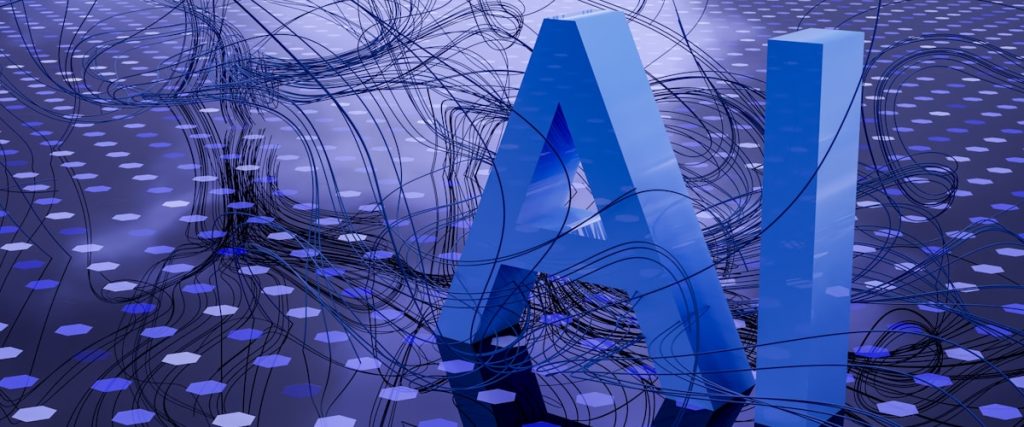
Artificial intelligence and machine learning are no longer concepts of the future—they are actively reshaping how businesses operate, how we interact with technology, and how we solve complex problems. From healthcare to finance, transportation to education, AI is creating unprecedented opportunities and challenges that demand our attention and understanding.
The Evolution of Machine Learning
Machine learning has evolved from a theoretical concept in the 1950s to a practical tool that powers everything from recommendation systems to autonomous vehicles. The journey began with simple algorithms that could recognize patterns, but today's systems can process vast amounts of data, learn from experience, and make decisions with remarkable accuracy.
The breakthrough came with the availability of big data and increased computational power. Companies like Google, Amazon, and Microsoft invested billions in developing AI infrastructure, making sophisticated machine learning models accessible to businesses of all sizes. This democratization of AI technology has accelerated innovation across industries.
The breakthrough came with the availability of big data and increased computational power. Companies like Google, Amazon, and Microsoft invested billions in developing AI infrastructure, making sophisticated machine learning models accessible to businesses of all sizes. This democratization of AI technology has accelerated innovation across industries.
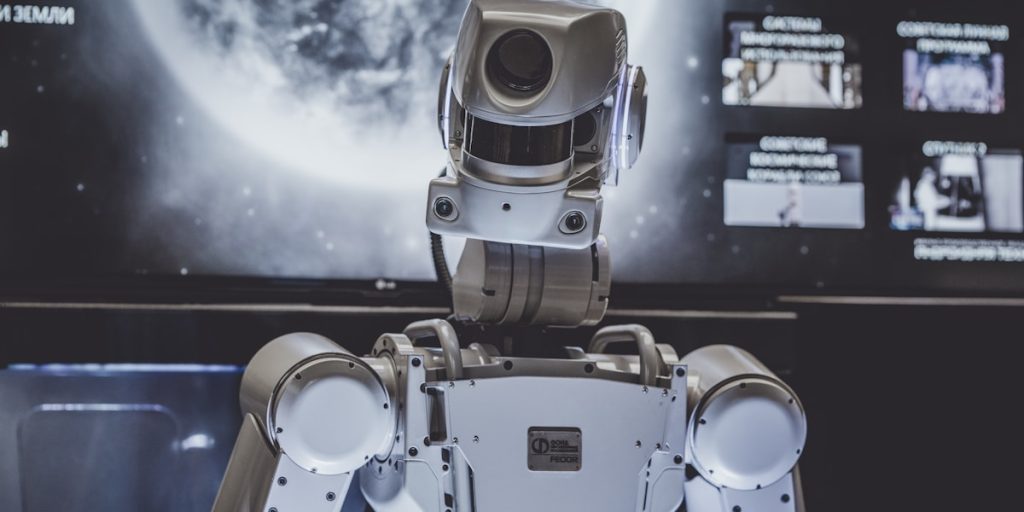
Neural networks processing complex data patterns in real-time
One of the most significant developments in recent years has been the rise of deep learning. These neural networks, inspired by the human brain, can identify patterns that would be impossible for traditional programming to detect. They've revolutionized image recognition, natural language processing, and even creative tasks like art generation.
However, with great power comes great responsibility. As AI systems become more sophisticated, questions about ethics, bias, and transparency become increasingly important. Researchers and practitioners are working to develop frameworks that ensure AI benefits all of humanity while minimizing potential harms.
However, with great power comes great responsibility. As AI systems become more sophisticated, questions about ethics, bias, and transparency become increasingly important. Researchers and practitioners are working to develop frameworks that ensure AI benefits all of humanity while minimizing potential harms.
Industry Transformations
Healthcare is experiencing one of the most profound transformations. AI-powered diagnostic tools can now detect diseases like cancer earlier and more accurately than ever before. Machine learning algorithms analyze medical images, patient records, and genetic data to provide personalized treatment recommendations.
In finance, AI is revolutionizing fraud detection, algorithmic trading, and risk assessment. Banks use machine learning to analyze transaction patterns and identify suspicious activities in real-time, protecting millions of customers from financial fraud.
In finance, AI is revolutionizing fraud detection, algorithmic trading, and risk assessment. Banks use machine learning to analyze transaction patterns and identify suspicious activities in real-time, protecting millions of customers from financial fraud.

AI-assisted medical diagnosis improving patient outcomes
Transportation is on the cusp of a revolution with autonomous vehicles. While fully self-driving cars are still in development, AI-powered features like adaptive cruise control, lane-keeping assistance, and collision avoidance are already making roads safer. The logistics industry is using AI to optimize routes, reduce fuel consumption, and improve delivery times.
Education is also being transformed. Personalized learning platforms use AI to adapt to each student's learning style and pace, providing customized content and feedback. This approach has shown promising results in improving student engagement and outcomes.
The manufacturing sector has embraced AI through the Industrial Internet of Things (IIoT). Smart factories use machine learning to predict equipment failures, optimize production schedules, and improve quality control. This has led to increased efficiency, reduced waste, and lower costs.
Retail and e-commerce have been transformed by recommendation systems. These AI-powered algorithms analyze customer behavior to suggest products, personalize shopping experiences, and optimize inventory management. The result is higher customer satisfaction and increased sales.
Education is also being transformed. Personalized learning platforms use AI to adapt to each student's learning style and pace, providing customized content and feedback. This approach has shown promising results in improving student engagement and outcomes.
The manufacturing sector has embraced AI through the Industrial Internet of Things (IIoT). Smart factories use machine learning to predict equipment failures, optimize production schedules, and improve quality control. This has led to increased efficiency, reduced waste, and lower costs.
Retail and e-commerce have been transformed by recommendation systems. These AI-powered algorithms analyze customer behavior to suggest products, personalize shopping experiences, and optimize inventory management. The result is higher customer satisfaction and increased sales.
Conclusion
The key to success lies in understanding that AI is a tool to augment human capabilities, not replace them. By combining the strengths of artificial intelligence with human creativity, empathy, and judgment, we can solve problems that seemed insurmountable just a few years ago. The journey ahead is exciting, challenging, and full of possibilities.