
Uncategorized
Shifting the parenting mindset in the modern era
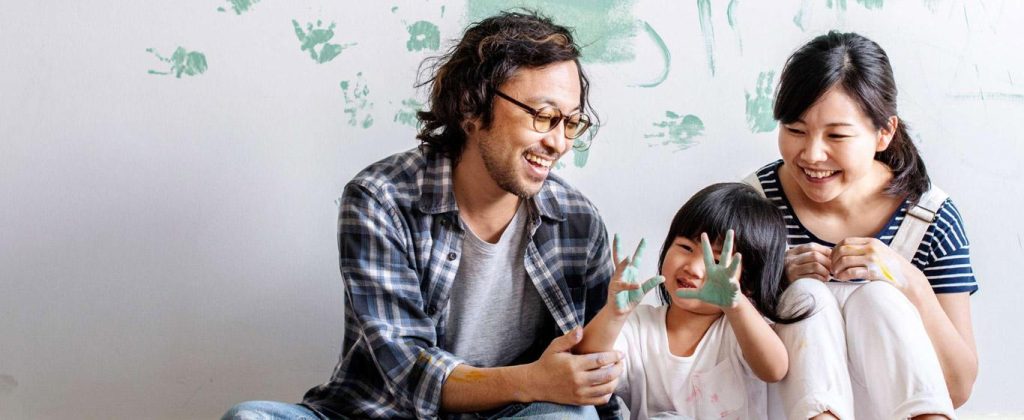
Being a parent in this day and age has never been an easy "job", if not arguably one of the harshest challenges.
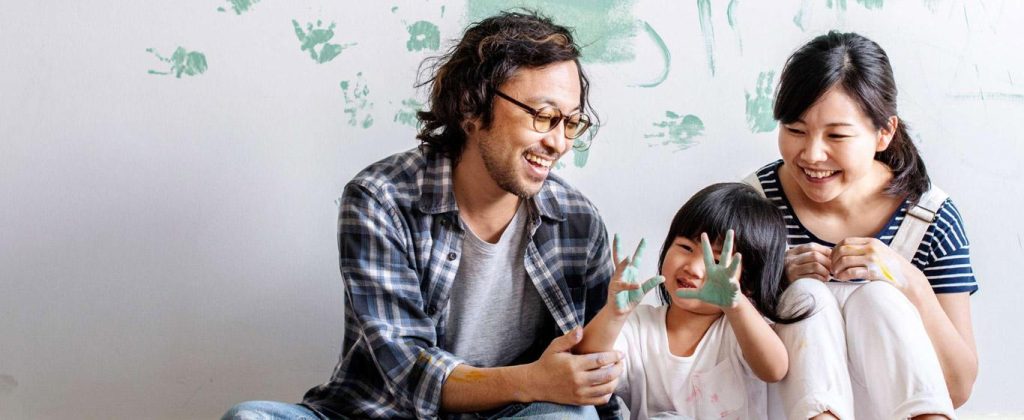
Being a parent in this day and age has never been an easy "job", if not arguably one of the harshest challenges. We are living in a flat world where pressure besieges us from all sides: economic strain, the drive for success, and the overwhelming weight of "perfect family" archetypes on social media. Many parents carry a perpetual anxiety that without strictness, their children will be spoiled; without forced study, they will fall behind. It is this invisible fear, combined with the dizzying pace of technology and shifting social mindsets, that has widened the generational chasm between parents and children. Gen Z and Gen Alpha kids are growing up with independent thinking and strong egos, while parents struggle to apply traditional educational methods. This misalignment means that even when families live under one roof, their souls remain miles apart, turning the journey of parenting into an endless battle rather than a journey of love.
The greatest tragedy in many modern families often stems from mistakes we mistake for love. The most common among themis the habit of comparison and imposing expectations. The image of "someone else’s child" (the perfect peer) acts like an invisible ghost weighing heavily on children’s shoulders, making them feel perpetually inferior andnever "enough" in their parents' eyes. We often want our children to continue our unfinished dreams, molding them into a perfect version of what we imagine, rather than letting them be themselves. More dangerously, in the hustle of daily life, many parents have lost the ability to listen. We listen to critique, to lecture, but rarely to empathize with a child's sorrow or joy. When a child feels their emotions are ignored or denied, the door to connection gradually closes, leaving behind a frightening silence in a home that should be filled with laughter.
To repair these fractures, we must return to a core truth: The family is the first school, and parents are the most crucial teachers of character. Children possess a special ability: they may not listen to what you say, but they will mimic exactly what you do. You cannot teach a child calmness if you resolve problems with shouting; you cannot teach honesty if you frequently tell small lies. Family education does not lieindry moral lectures but permeates through daily behavior. A father who respects the mother, a mother who practices self-care and loves life, these are the most vivid lessons for a child to form their world view and life values.
Based on that mirror of reflection, teaching children about emotions and life values becomes more urgent than ever. A happy child is not one who always smiles, but one who is allowed to be sad, allowed to be angry, and knows how to name and process those feelings. Instead of forbidding them with commands like "stop it immediately" or "don't cry," parents need to teach children to identify emotions and understand that every psychological state has value. Parallel to this is the lesson of courage: knowing when you are wrong and how to fix it. To teach this, parents themselves must be brave enough to admit their own mistakes to their children. When parents know how to apologize, children learn a lesson in responsibility and forgiveness. This "acknowledge and amend" mindset helps children build resilience, fear no failure, and always strive for growth.
The ultimate destination of family education is shifting from a mindset of "control" to one of "companionship." Companionship means respecting a child's unique personality as a seed that needs to develop according to its true nature, not forcing a towering pine tree to become a decorative bonsai. Each child is a distinct universe with different strengths and weaknesses. Loving a child means accepting those imperfections. More importantly, give your child the "right to be wrong." Youth needs stumbles and scratches to mature. If parents forever shield and clear thepath, the child will remain an overgrown infant, bewildered by the stormsof life. Stand by to cheer when they fail, reach out when they need it, but do not walk their path for them.
Parenting is not a destination with medals, but a lifelong journey of
learning and self-improvement. When we raise our children, they are, inessence, "raising" us in return, helping us learn to be more patient, more tolerant, and more mature. There is no common formula for every child, but there is one immutable principle: True love must be accompanied by respect and understanding. Let go of heavy expectations so that every day with your child is a joyous one, allowing them to growin peace and enabling parents to find happiness in their child's natural maturation.
The greatest tragedy in many modern families often stems from mistakes we mistake for love. The most common among themis the habit of comparison and imposing expectations. The image of "someone else’s child" (the perfect peer) acts like an invisible ghost weighing heavily on children’s shoulders, making them feel perpetually inferior andnever "enough" in their parents' eyes. We often want our children to continue our unfinished dreams, molding them into a perfect version of what we imagine, rather than letting them be themselves. More dangerously, in the hustle of daily life, many parents have lost the ability to listen. We listen to critique, to lecture, but rarely to empathize with a child's sorrow or joy. When a child feels their emotions are ignored or denied, the door to connection gradually closes, leaving behind a frightening silence in a home that should be filled with laughter.
To repair these fractures, we must return to a core truth: The family is the first school, and parents are the most crucial teachers of character. Children possess a special ability: they may not listen to what you say, but they will mimic exactly what you do. You cannot teach a child calmness if you resolve problems with shouting; you cannot teach honesty if you frequently tell small lies. Family education does not lieindry moral lectures but permeates through daily behavior. A father who respects the mother, a mother who practices self-care and loves life, these are the most vivid lessons for a child to form their world view and life values.
Based on that mirror of reflection, teaching children about emotions and life values becomes more urgent than ever. A happy child is not one who always smiles, but one who is allowed to be sad, allowed to be angry, and knows how to name and process those feelings. Instead of forbidding them with commands like "stop it immediately" or "don't cry," parents need to teach children to identify emotions and understand that every psychological state has value. Parallel to this is the lesson of courage: knowing when you are wrong and how to fix it. To teach this, parents themselves must be brave enough to admit their own mistakes to their children. When parents know how to apologize, children learn a lesson in responsibility and forgiveness. This "acknowledge and amend" mindset helps children build resilience, fear no failure, and always strive for growth.
The ultimate destination of family education is shifting from a mindset of "control" to one of "companionship." Companionship means respecting a child's unique personality as a seed that needs to develop according to its true nature, not forcing a towering pine tree to become a decorative bonsai. Each child is a distinct universe with different strengths and weaknesses. Loving a child means accepting those imperfections. More importantly, give your child the "right to be wrong." Youth needs stumbles and scratches to mature. If parents forever shield and clear thepath, the child will remain an overgrown infant, bewildered by the stormsof life. Stand by to cheer when they fail, reach out when they need it, but do not walk their path for them.
Parenting is not a destination with medals, but a lifelong journey of
learning and self-improvement. When we raise our children, they are, inessence, "raising" us in return, helping us learn to be more patient, more tolerant, and more mature. There is no common formula for every child, but there is one immutable principle: True love must be accompanied by respect and understanding. Let go of heavy expectations so that every day with your child is a joyous one, allowing them to growin peace and enabling parents to find happiness in their child's natural maturation.