
Uncategorized
Secrets to “rescue” a script or essay that is stuck and disjointed
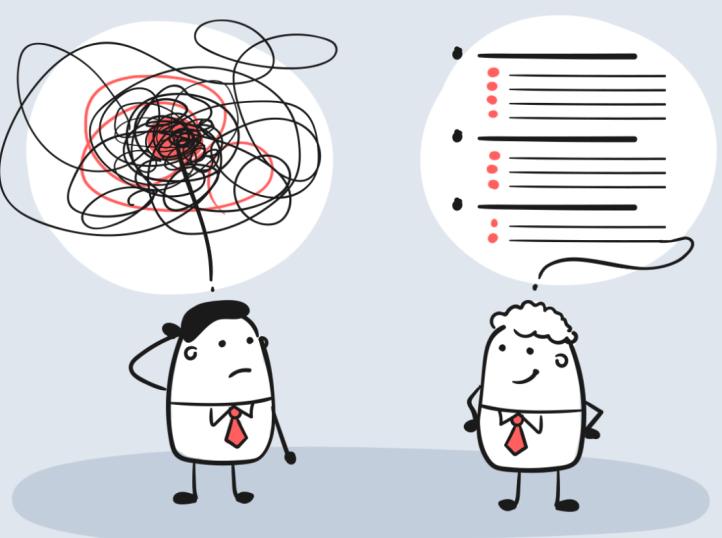
Are you sitting in front of a blank screen, or worse, have you written halfway through only to feel the story hitting a dead end? Loose structure, illogical character actions, or essay arguments running in circles? Do not be in a hurry to delete everything and start over.
Are you sitting in front of a blank screen, or worse, have you written halfway through only to feel the story hitting a dead end? Loose structure, illogical character actions, or essay arguments running in circles? Do not be in a hurry to delete everything and start over.
Below is a "first aid" toolkit to help you unstuck yourself and reconnect disjointed ideas.
Below is a "first aid" toolkit to help you unstuck yourself and reconnect disjointed ideas.
Warning signs: When do you need to stop and fix?
It is when you reread and feel the reader will frown and ask, "Why is it like this?". It is when paragraphs are like isolated islands, with no bridges connecting them to the main message.
Fix #1: The reverse outlining technique
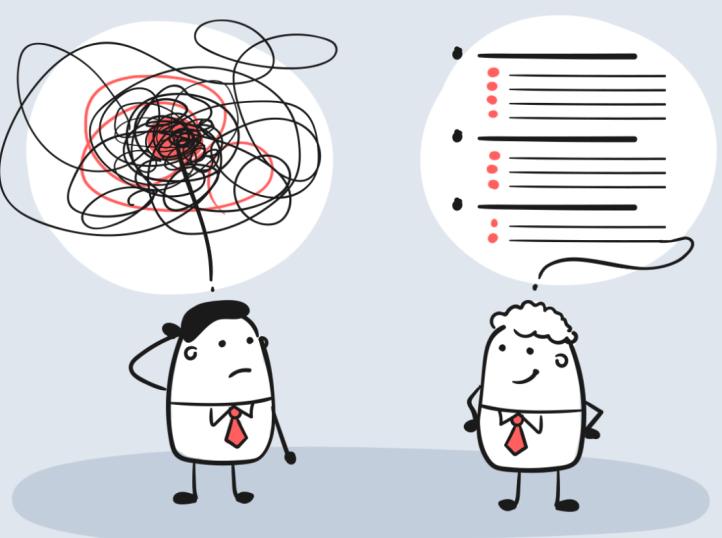
Usually, we outline first and then write. But when you are lost, do the opposite.
Execution: Reread the entire draft. In the margins of each paragraph, summarize the content of that paragraph in a single, concise sentence.
Analysis: Look at that list of summary sentences. Do they form a logical flow? Is any paragraph redundant or skipping steps? If the summary of paragraph 3 has nothing to do with paragraphs 2 and 4, that is the "gap" where you need to rearrange the order or rewrite the transition sentence.
Execution: Reread the entire draft. In the margins of each paragraph, summarize the content of that paragraph in a single, concise sentence.
Analysis: Look at that list of summary sentences. Do they form a logical flow? Is any paragraph redundant or skipping steps? If the summary of paragraph 3 has nothing to do with paragraphs 2 and 4, that is the "gap" where you need to rearrange the order or rewrite the transition sentence.
Fix #2: The “what if…?” method
Writer's block often comes from thinking in a rut. Use hypotheticals to break it.
Ask reverse questions: If you are stuck on a script, ask: "What if the villain wins?", "What if the secret is revealed right now instead of at the end of the movie?". For an essay: "If my research hypothesis is completely wrong, where will the results lead?".
Mind map: Draw the stuck problem in the center of a paper and draw out at least 3 of the craziest directions to solve it. Sometimes the best idea lies in the option you think is the most absurd.
Ask reverse questions: If you are stuck on a script, ask: "What if the villain wins?", "What if the secret is revealed right now instead of at the end of the movie?". For an essay: "If my research hypothesis is completely wrong, where will the results lead?".
Mind map: Draw the stuck problem in the center of a paper and draw out at least 3 of the craziest directions to solve it. Sometimes the best idea lies in the option you think is the most absurd.
Fix #3: Cut without mercy
This is classic advice from novelists. Sometimes a piece of writing gets stuck because it is trying to carry paragraphs that are very good, with beautiful words, but… are unrelated to the topic.
Action: Be brave enough to cut those "off-topic" passages and paste them into a separate file (save them for another piece). When you eliminate the cumbersome "branches and leaves," the "backbone" of the story or report will appear clearly, helping you easily write the conclusion.
Writing is not a one-and-done magic trick; it is a process of rewriting. Being stuck is not the end, but a signal that your brain is demanding a better structure. Take a deep breath, apply the 3 techniques above, and continue perfecting your work.
Action: Be brave enough to cut those "off-topic" passages and paste them into a separate file (save them for another piece). When you eliminate the cumbersome "branches and leaves," the "backbone" of the story or report will appear clearly, helping you easily write the conclusion.
Writing is not a one-and-done magic trick; it is a process of rewriting. Being stuck is not the end, but a signal that your brain is demanding a better structure. Take a deep breath, apply the 3 techniques above, and continue perfecting your work.