
Uncategorized
How to build a personalized “eat clean” menu for busy people in just 30 minutes a week
Students and office workers often fall into the familiar loop: "What’s for lunch today?". This seemingly simple question often leads to hasty decisions: a greasy box of street food, a quick bread, or worse, skipping the meal entirely.
Students and office workers often fall into the familiar loop: "What’s for lunch today?". This seemingly simple question often leads to hasty decisions: a greasy box of street food, a quick bread, or worse, skipping the meal entirely.
This article will guide you on how to plan meals that are both budgetfriendly and nutritious, without turning your kitchen into a timeconsuming burden.
This article will guide you on how to plan meals that are both budgetfriendly and nutritious, without turning your kitchen into a timeconsuming burden.
Step 1: Understand your nutritional needs
Before going to the market, you need to know what your body requires.
Do not copy someone else's menu because every body type is different.
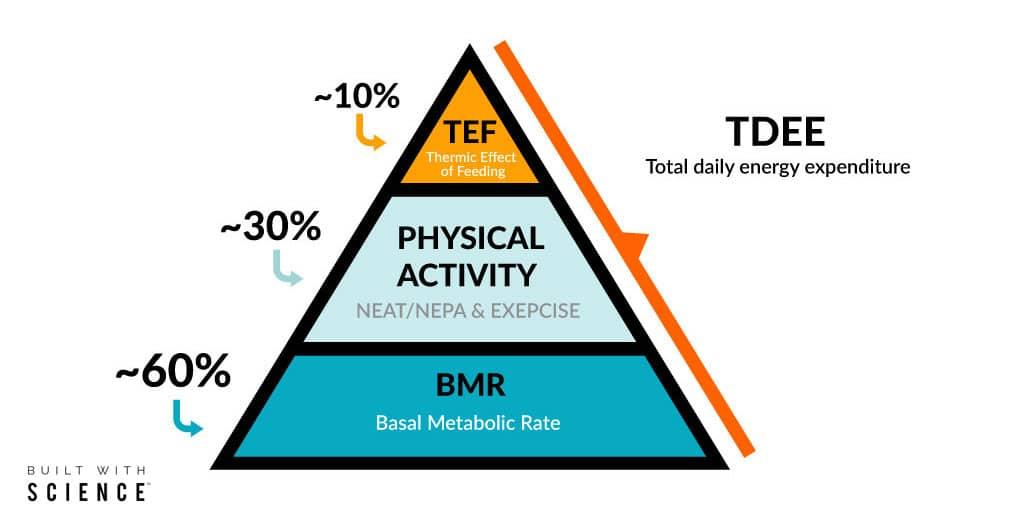
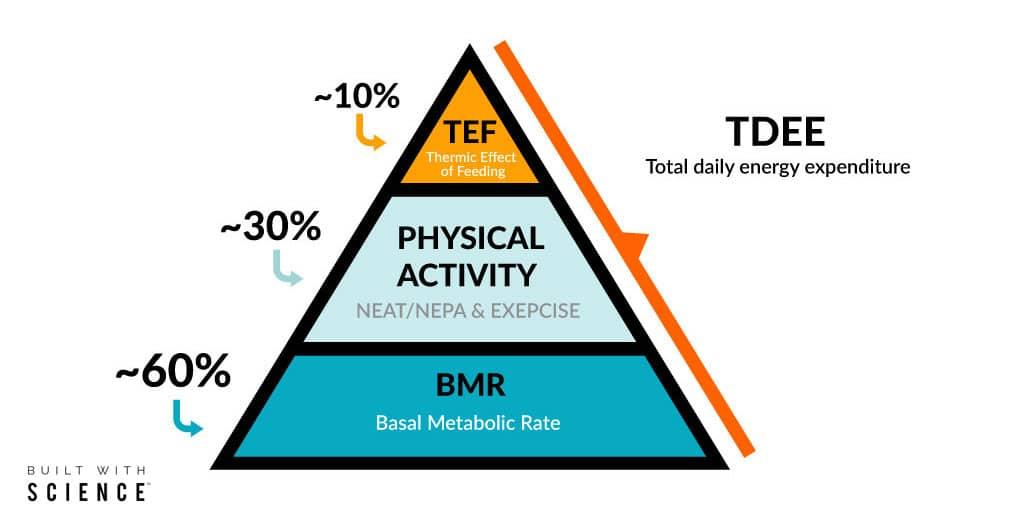
Calculate TDEE: This is the Total Daily Energy Expenditure. You can find free TDEE calculators on Google. If you want to lose weight, eat about 200–300 calories less than your TDEE; if you want to build muscle, eat a surplus.
The "balanced plate" formula: Instead of complicated calorie counting, divide your plate according to this ratio:
50% fiber (vegetables), 25% protein (meat, fish, beans, eggs), and 25% good carbs (brown rice, sweet potato, oats).
Do not copy someone else's menu because every body type is different.
Calculate TDEE: This is the Total Daily Energy Expenditure. You can find free TDEE calculators on Google. If you want to lose weight, eat about 200–300 calories less than your TDEE; if you want to build muscle, eat a surplus.
The "balanced plate" formula: Instead of complicated calorie counting, divide your plate according to this ratio:
50% fiber (vegetables), 25% protein (meat, fish, beans, eggs), and 25% good carbs (brown rice, sweet potato, oats).
Step 2: The "shop once, eat all week" strategy
The key for busy people is focus.
Set aside Sunday morning to go to the supermarket or wholesale market with a "versatile" list.
Versatile ingredients: Choose foods that can be transformed into multiple dishes.
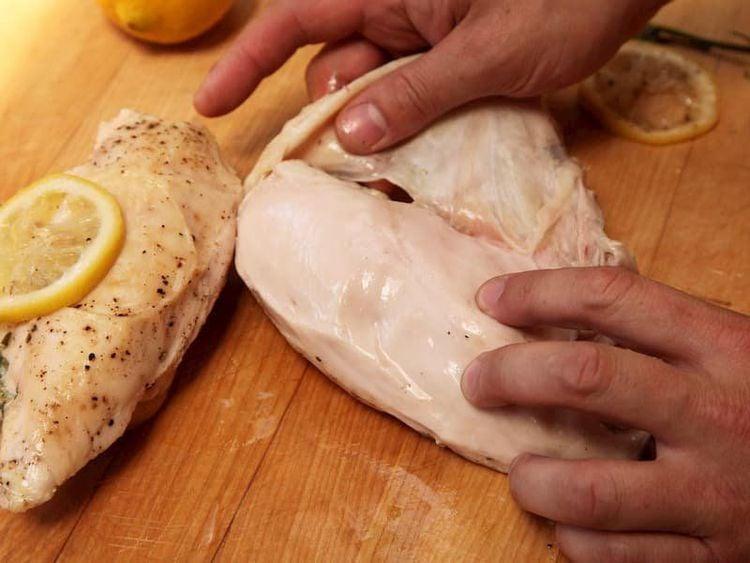
Example: One kilogram of chicken breast can be divided into 3 parts: one for shredded chicken salad, one for chicken stir-fried with mushrooms, and the rest for pan-seared chicken with passion fruit sauce.
Prioritize local foods: Seasonal vegetables at local markets are often cheaper and fresher than imported goods, helping you significantly save costs for your long-term "eat clean" project.
Set aside Sunday morning to go to the supermarket or wholesale market with a "versatile" list.
Versatile ingredients: Choose foods that can be transformed into multiple dishes.
Example: One kilogram of chicken breast can be divided into 3 parts: one for shredded chicken salad, one for chicken stir-fried with mushrooms, and the rest for pan-seared chicken with passion fruit sauce.
Prioritize local foods: Seasonal vegetables at local markets are often cheaper and fresher than imported goods, helping you significantly save costs for your long-term "eat clean" project.
Step 3: Prep and storage
This is the decisive step that helps you spend only 30 minutes a week on preparation, and just 10–15 minutes cooking each day.
Portioning Technique: After buying, wash, chop, and divide the food into glass containers or ziplock bags by meal (lunch/dinner).
Fully cook vs. pre-prep:
Cook in advance: Braised or stewed dishes (beef stew, braised pork with eggs) because they taste better when reheated. Brown rice can also be cooked in a large pot and frozen in portions.
Pre-prep only: Green vegetables (just wash and drain) or stir-fry dishes (marinate in advance) so that when it's time to eat, you just need to stir-fry them quickly on the stove to serve hot.
Portioning Technique: After buying, wash, chop, and divide the food into glass containers or ziplock bags by meal (lunch/dinner).
Fully cook vs. pre-prep:
Cook in advance: Braised or stewed dishes (beef stew, braised pork with eggs) because they taste better when reheated. Brown rice can also be cooked in a large pot and frozen in portions.
Pre-prep only: Green vegetables (just wash and drain) or stir-fry dishes (marinate in advance) so that when it's time to eat, you just need to stir-fry them quickly on the stove to serve hot.
Step 4: Variations to avoid boredom
The biggest fear of eat clean is blandness.
The secret lies in the sauce. It can be the same boiled chicken breast and vegetables, but on Monday use roasted sesame sauce, on Tuesday use passion fruit sauce, on Wednesday use lemon pepper salt... You will feel like you are dining at a restaurant.
Preparing your own meals not only helps you control your weight and health but is also a smart economic solution.
Start this week, and you will find that the 30 minutes spent on Sunday will "buy" you relaxation throughout the entire work week.
The secret lies in the sauce. It can be the same boiled chicken breast and vegetables, but on Monday use roasted sesame sauce, on Tuesday use passion fruit sauce, on Wednesday use lemon pepper salt... You will feel like you are dining at a restaurant.
Preparing your own meals not only helps you control your weight and health but is also a smart economic solution.
Start this week, and you will find that the 30 minutes spent on Sunday will "buy" you relaxation throughout the entire work week.