
Urban Development
Building Tomorrow: The Cities That Will Define Our Future
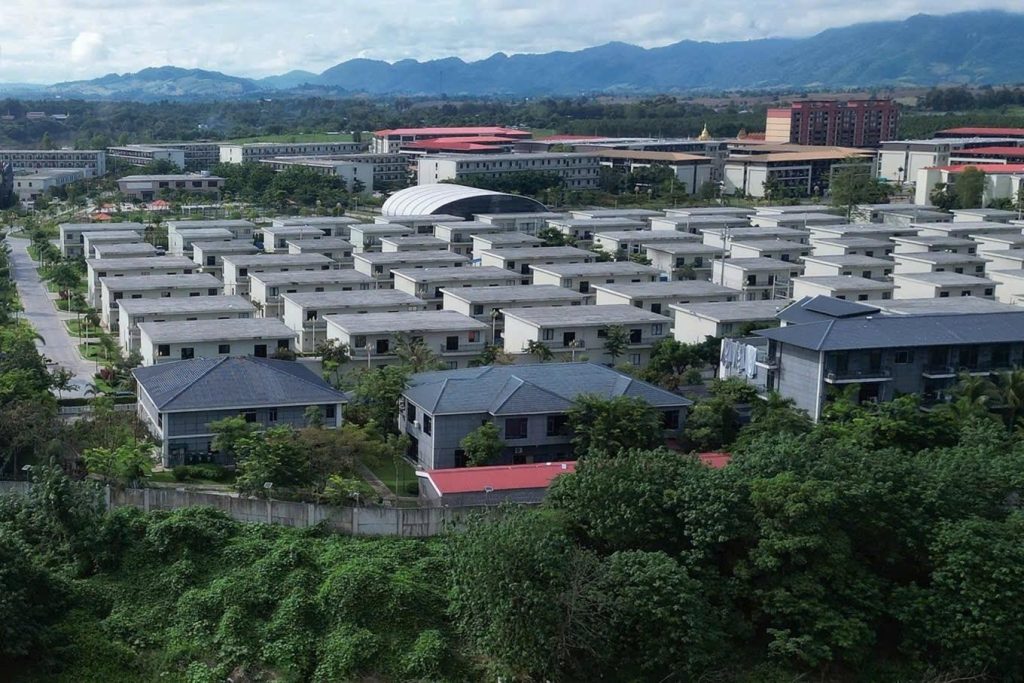
As the world's population continues to urbanize, cities face unprecedented challenges and opportunities. By 2050, nearly 70% of humanity will live in urban areas, creating a pressing need for sustainable, intelligent, and inclusive city planning. The cities we build today will determine the quality of life for billions of people tomorrow.
This transformation is already visible in cities around the globe. From Singapore's vertical gardens to Copenhagen's carbon-neutral ambitions, urban centers are becoming laboratories for innovation. They're testing new approaches to transportation, energy, housing, and social services that could serve as models for the future.
This transformation is already visible in cities around the globe. From Singapore's vertical gardens to Copenhagen's carbon-neutral ambitions, urban centers are becoming laboratories for innovation. They're testing new approaches to transportation, energy, housing, and social services that could serve as models for the future.

Singapore's Marina Bay represents the pinnacle of modern urban planning, combining sustainability with stunning architecture
The Smart City Revolution
Smart cities leverage technology to improve efficiency, reduce costs, and enhance quality of life. Sensors monitor air quality in real-time, traffic lights adjust based on actual flow patterns, and waste management systems optimize collection routes. These innovations aren't just convenient—they're essential for managing resources in an increasingly crowded world.
Barcelona has emerged as a leader in smart city initiatives. The city installed thousands of sensors to monitor everything from parking availability to noise levels. This data helps city planners make informed decisions about infrastructure, public services, and environmental policies. The result is a more responsive, efficient urban environment.
Barcelona has emerged as a leader in smart city initiatives. The city installed thousands of sensors to monitor everything from parking availability to noise levels. This data helps city planners make informed decisions about infrastructure, public services, and environmental policies. The result is a more responsive, efficient urban environment.
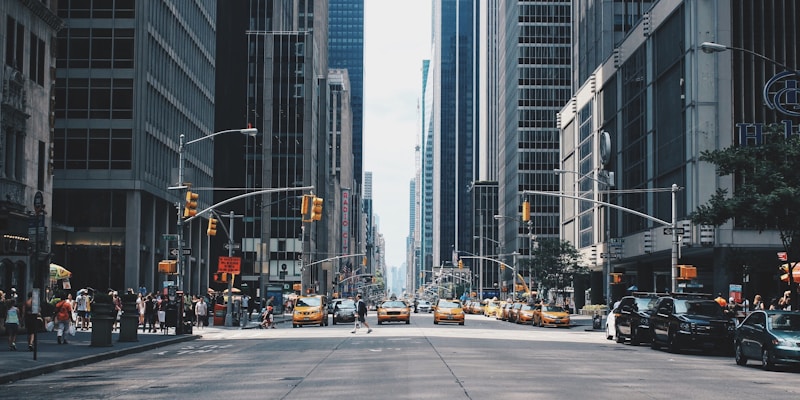
Technology alone isn't enough. Successful smart cities integrate digital solutions with human-centered design. They prioritize accessibility, ensuring that technological advances benefit all residents, not just the wealthy or tech-savvy. This inclusive approach is crucial for building cities that work for everyone.
The integration of renewable energy sources is another critical component. Cities like Reykjavik and Burlington have achieved 100% renewable energy, proving that sustainable urban living is not just possible but practical. These achievements inspire other cities to set ambitious environmental goals.
The integration of renewable energy sources is another critical component. Cities like Reykjavik and Burlington have achieved 100% renewable energy, proving that sustainable urban living is not just possible but practical. These achievements inspire other cities to set ambitious environmental goals.
Conclusion
The transformation of our urban landscapes is one of the defining challenges of our time. The cities we build and rebuild in the coming decades will shape the lives of generations to come. By combining innovation with wisdom, technology with humanity, and ambition with responsibility, we can create urban environments that are not just functional, but truly livable.
The journey toward better cities requires collaboration between governments, businesses, communities, and individuals. It demands long-term thinking, creative problem-solving, and a commitment to equity and sustainability. But the rewards—thriving communities, healthy environments, and improved quality of life—make this effort not just worthwhile, but essential.
The journey toward better cities requires collaboration between governments, businesses, communities, and individuals. It demands long-term thinking, creative problem-solving, and a commitment to equity and sustainability. But the rewards—thriving communities, healthy environments, and improved quality of life—make this effort not just worthwhile, but essential.