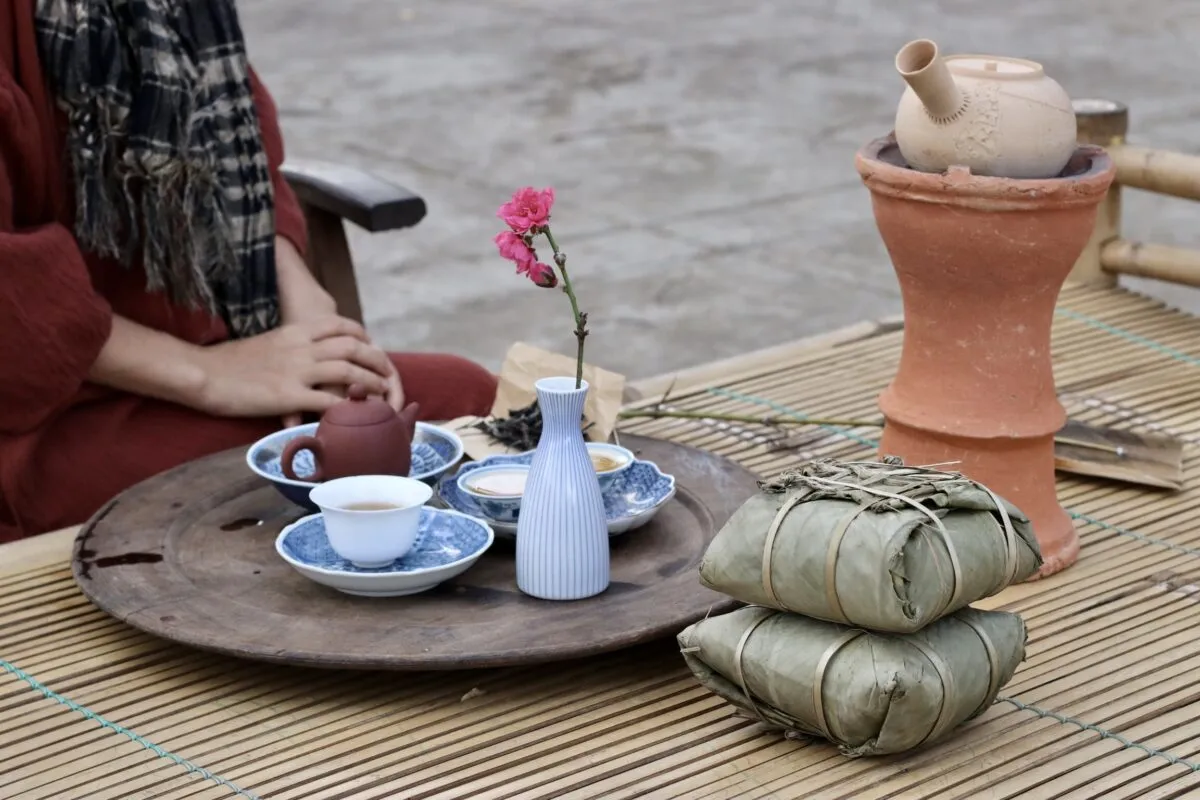
The Lunar New Year has never been merely a holiday in the Vietnamese mindset, but rather the most sacred time and space for returning to one's roots and family. Today, we are witnessing significant changes in how different generations define and embrace the Lunar New Year.
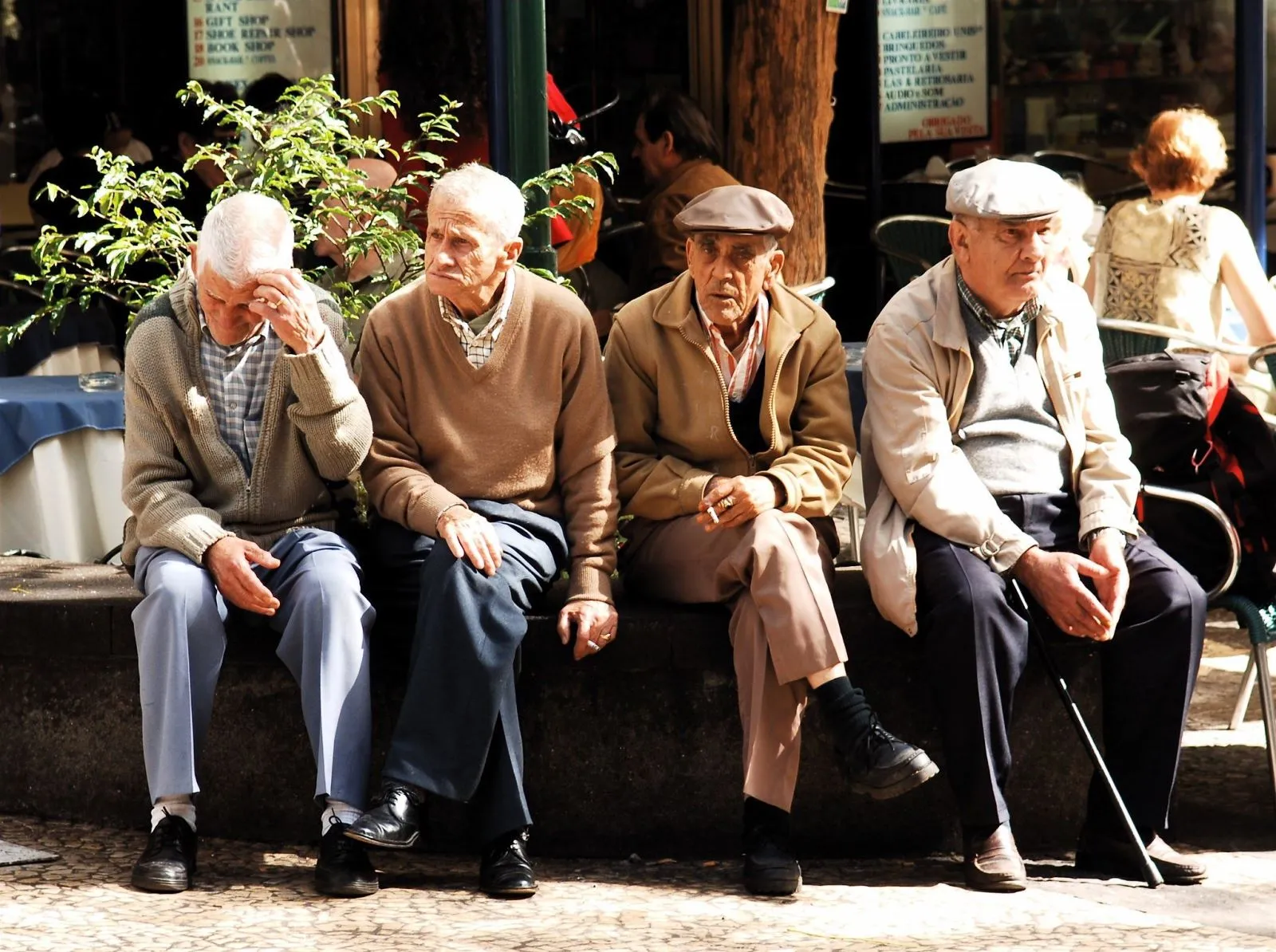
The grandparents' generation
Memories of Lunar New Year among the grandparents' generation, those who lived through the years of war and the hardships of the subsidy period, are associated with a slow, profound rhythm of life filled with anticipation.
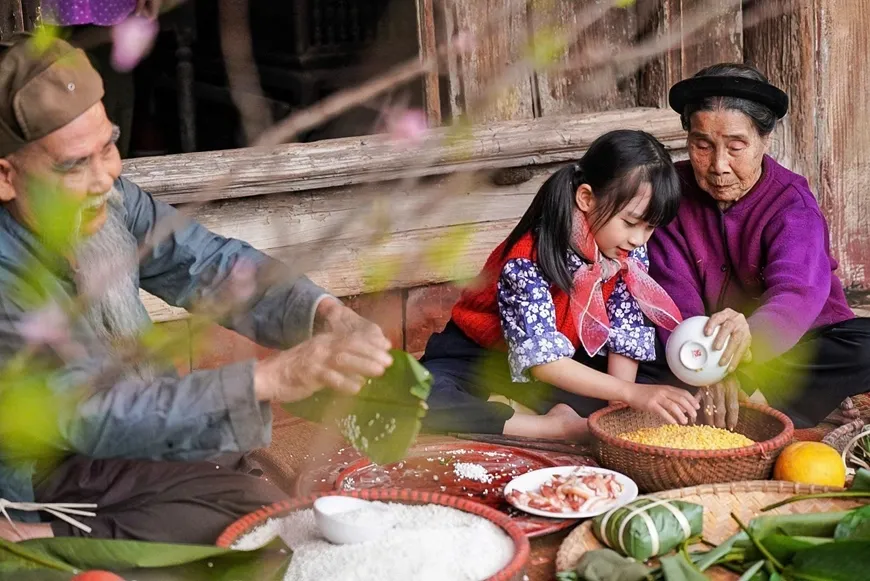
Amid economic hardship, the belief that "people go hungry all year but eat well for the three days of Tet" meant that the most valuable material resources accumulated throughout the year were saved and devoted entirely to the spring festivities. The Tet atmosphere did not arrive suddenly but was nurtured throughout the twelfth lunar month through activities such as sweeping the courtyard, raising a pig together, or saving ration coupons one by one to exchange for a few ounces of fatty pork and pickled onions. Personally preparing everything, from cleaning the ancestral altar and chopping firewood to staying awake all night tending the glowing fire beneath a pot of banh chung, created a profound psychological "anchoring effect."
The material scarcity of that time inadvertently became a catalyst that elevated spiritual values to their highest point, making New Year's Eve an exceptionally sacred moment and the three days of Tet the most cherished period of the year.
The parents' generation
Entering the period of economic reforms and opening up, the parents' generation celebrated Tet with a mindset that both inherited the simple memories of the subsidy era and carried the responsibility of upholding family traditions as material living conditions gradually improved.
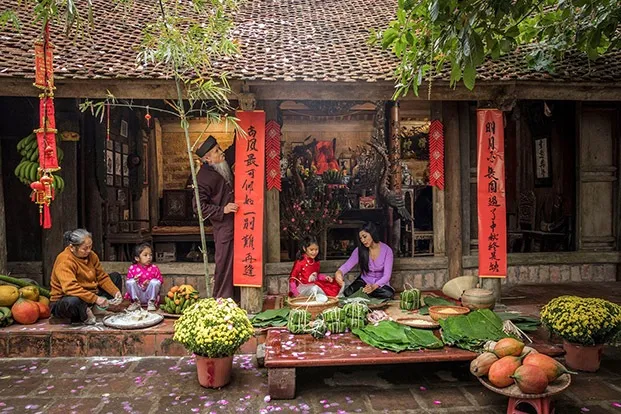
For this generation, Tet was closely associated with strict ceremonial standards. Their Tet feast had to be thoroughly prepared according to a standard of eight to ten dishes, while strictly following the traditional principle: "The first day of Tet is for the father's side, the second for the mother's side, and the third for teachers." This was the generation that served as the family's "backbone," taking responsibility for all internal and external family affairs, preparing gifts for both paternal and maternal relatives, exhausting themselves with housework, and visiting relatives in person. To them, a lavish and abundant feast and the proper observance of rituals such as New Year greetings, ancestral grave visits, and the first visitor of the year were not only expressions of reverence for their ancestors but also measures of a family's success and stability in the eyes of the community and neighborhood.
Today's younger generation
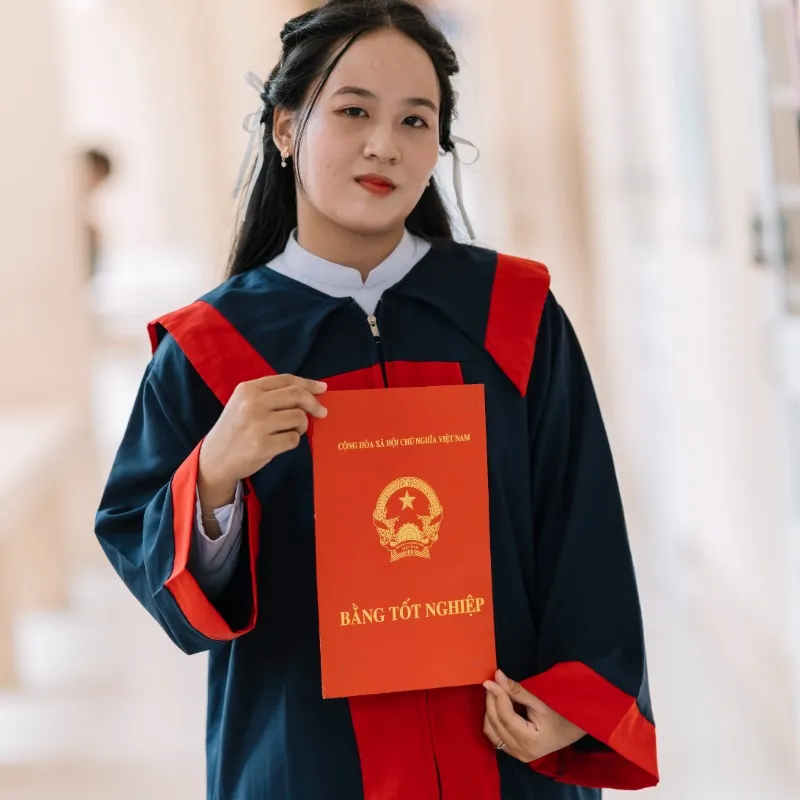
For modern-day citizens such as Gen Z and Generation Alpha, who were born amid the technological boom and material abundance, the concept of Tet has been completely redefined.

Since food and entertainment activities are now available all year round, the desire to "eat well and dress beautifully" during the three days of Tet is no longer as strong as it was for previous generations. Today's young people are increasingly shifting from "celebrating Tet through feasting" to "enjoying Tet through activities" and "relaxing during Tet."
The trend of minimalist Tet celebrations is gaining popularity as young families proactively reduce excessive shopping and stocking up their refrigerators, choosing instead to buy just enough to free themselves from the burden of elaborate meals and kitchen duties. The remarkable development of digital technology has helped bridge social distances, transforming cumbersome customs such as sending mass New Year greetings and giving lucky money in person into convenient experiences such as "online family reunions" and digital lucky money transfers. For young people, Tet is no longer a suffocating administrative obligation but a genuine holiday for healing and recharging through travel and exploration, as long as they feel mentally relaxed and at peace.
Although differences in how generations celebrate Tet sometimes lead to disagreements or nostalgic sighs that "Tet today is gradually losing its charm compared to the Tet of the past," cultural experts affirm that this is merely a change in outward forms of adaptation rather than a fading of its essence. The truth is that young people do not want to abandon tradition. They still cherish year-end reunion dinners with their families and respectfully light incense before the ancestral altar, creating a remarkable connection between the past and the present.