

Physical appearance is one of the crucial factors contributing to self-confidence in life. In modern society, outward appearance is often prioritized by many as it creates the first impression in communication, study, or work. However, not everyone is fortunate enough to possess a symmetrical face or their desired appearance. Therefore, the demand for beautification and physical enhancement is increasingly rising, driving the robust development of the cosmetic industry.
Today, cosmetic procedures are no longer unfamiliar but have become the choice of many people across various age groups. Alongside the benefits that cosmetic technology brings, a concerning reality is that many individuals, particularly teenagers, opt for cosmetic interventions too early when their bodies have not yet fully developed. This not only affects the aesthetic outcome but also harbors numerous risks to long-term health. So, what is proper cosmetic intervention, what is its true purpose, and when is the appropriate time to intervene?
What is Cosmetic Intervention?
Cosmetic intervention is the process of using internal medicine or surgical methods to improve, correct, or restore physical flaws to create better harmony and symmetry. Currently, cosmetic procedures are divided into two main categories:
· Non-invasive procedures: skincare, laser treatments, botulinum toxin (Botox) injections, dermal fillers, technology-based skin tightening, etc.
· Cosmetic surgery: rhinoplasty, eyelid surgery (blepharoplasty), jaw contouring, breast augmentation, liposuction, maxillofacial orthopedic surgery, etc.
Aside from aesthetic purposes, plastic and reconstructive surgery is also performed in some cases to restore function or correct congenital deformities, and sequelae from accidents, burns, or diseases.
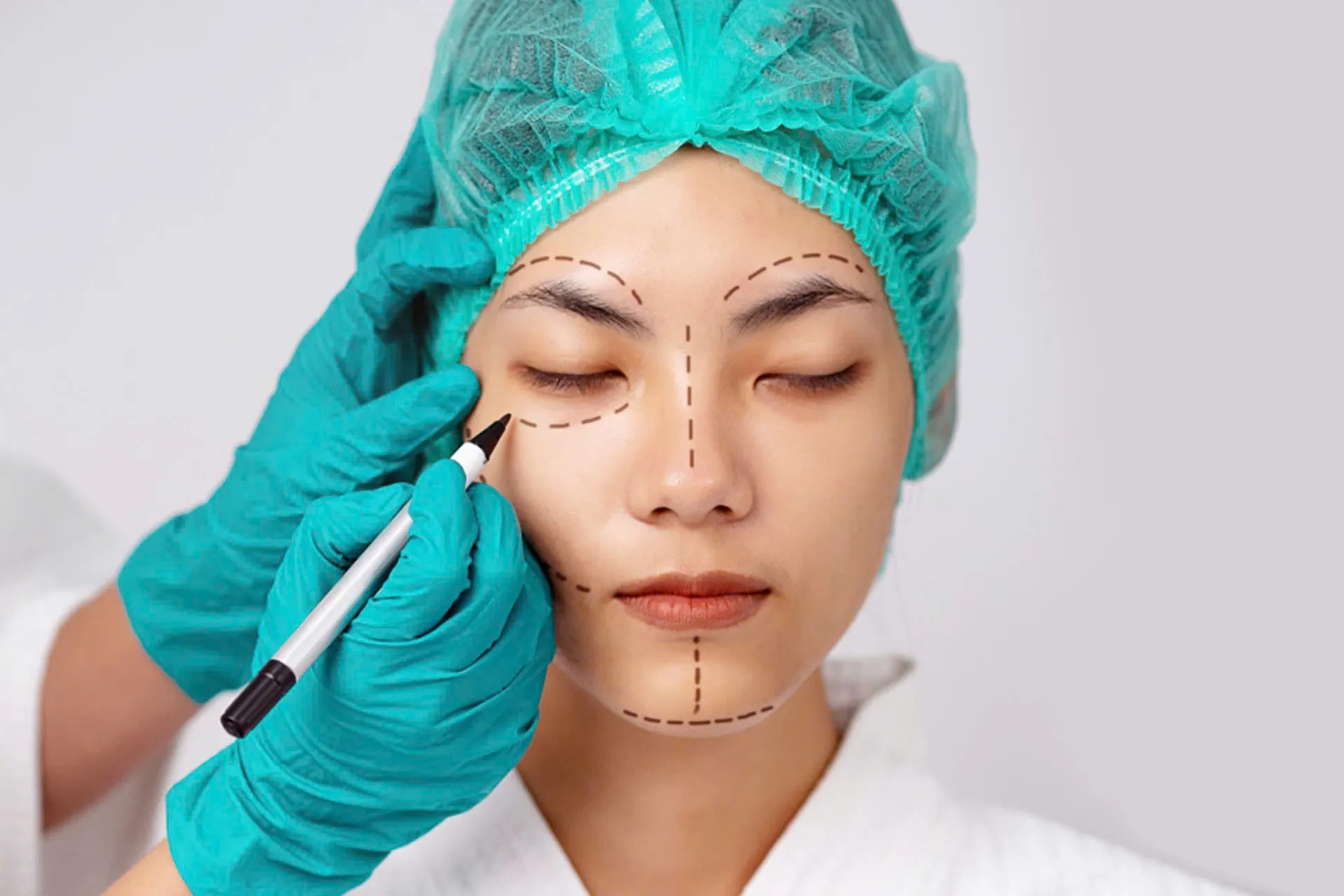
The Purpose of Cosmetic Procedures
The goal of cosmetic procedures is not merely to change one's appearance but also to bring about many positive values when performed correctly.
First and foremost, aesthetic enhancements improve self-confidence, helping many people become bolder in communication and work. Those with distinct flaws on their face or body often feel insecure; correcting these imperfections can elevate their quality of life.
Additionally, in some instances, cosmetic surgery carries a therapeutic purpose, such as correcting a misaligned jaw that causes chewing difficulties, repairing contracture burn scars, or reconstructing after trauma. In these cases, it contributes to functional restoration and health improvement.
However, the most important objective of cosmetic enhancement remains aiming for a harmonious, natural beauty tailored to each individual, rather than chasing fleeting beauty standards or trends.
When is the Appropriate Time for Cosmetic Procedures?
Not every age is suitable for cosmetic surgery. The ideal time depends on the body's development stage, health condition, and the type of intervention.
For most cosmetic surgeries like rhinoplasty, jaw contouring, chin augmentation, or breast augmentation, doctors usually recommend performing them after the body is nearly fully developed. Generally, females aged 18 and above, and males aged 18 to 20 and above are more suitable, as the bone, cartilage, and soft tissue structures are more stable compared to the puberty stage.

Should Children Undergo Cosmetic Surgery?
In most cases, children and teenagers should not undergo cosmetic surgeries solely for aesthetic purposes. During this stage, their face, bones, and tissues are still developing. If intervened too early, the post-surgical shape can change as they grow, reducing effectiveness or causing deformities. However, there are still some situations considered a "golden window" for early intervention to achieve better results or limit impacts on function and psychology.
Some cases that may require early intervention as prescribed by a specialist include:
· Cleft lip and cleft palate deformities.
· Prominent ears or ear deformities causing psychological distress.
· Congenital maxillofacial deformities.
· Contracture scars after burns or trauma.
· Certain abnormalities affecting respiratory, masticatory (chewing), or speech functions.
These are cases of a therapeutic nature rather than purely aesthetic, yet they help children become more confident and reduce negative psychological impacts.
For demands such as: Rhinoplasty, eyelid surgery, jaw contouring, chin augmentation, breast augmentation, liposuction, and temple augmentation. Individuals should wait until their bodies are stably developed to achieve long-lasting results and minimize the risk of multiple revisions.
The Harms of Premature Cosmetic Surgery
The body is not fully developed. During puberty, bones, cartilage, and soft tissues continue to grow. If rhinoplasty or jaw alignment is done too early, facial structures changing over time can cause the nose to deviate, become asymmetrical, or require revision surgery.
Because the body continues to develop, aesthetic results at a very young age are often less stable than in adults. This leads many to undergo multiple revisions, increasing costs and the risk of complications.
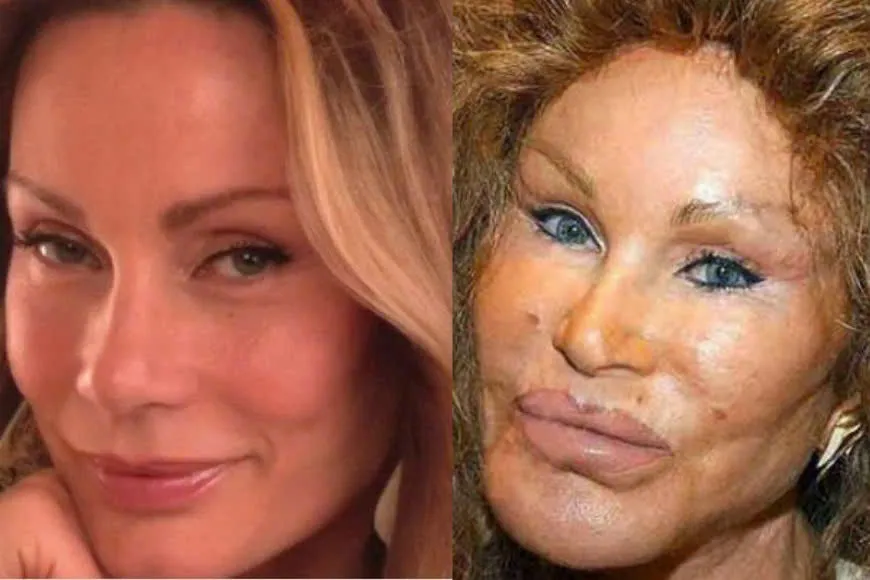
Health risks. Any surgery carries risks: Infection, bleeding, adverse reactions to anesthesia, tissue necrosis, bad scarring, and nerve damage. These risks can elevate if performed on an incompletely developed body or if not properly monitored.
Many young people lack knowledge about post-operative care. Vigorous physical activity, unrestrained diets, or missing follow-up appointments can lead to: A deviated nose, slow-healing wounds, increased infection risk, and undesired aesthetic outcomes.
Psychological impact. Some young people undergo cosmetic procedures due to social media pressure or a desire to look like their idols. If the results fall short of expectations, they easily fall into disappointment and loss of confidence, sometimes even pursuing numerous other surgeries to "perfect" their appearance.
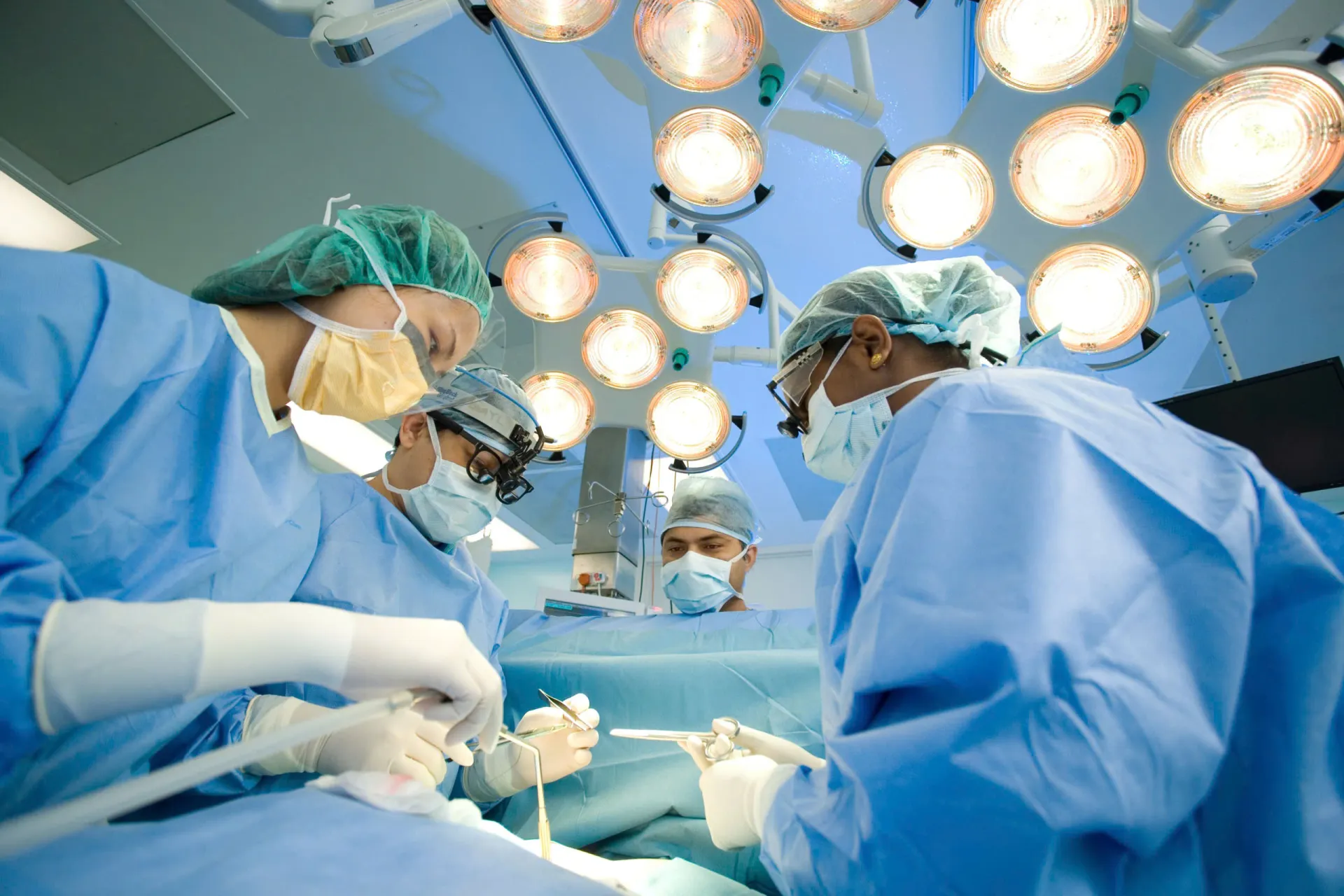
Choosing a Reputable Cosmetic Facility is the Deciding Factor
Besides the timing of the procedure, selecting the cosmetic facility directly impacts the outcome and safety.
In a bid to save costs, many opt for heavily advertised cheap clinics, unlicensed facilities, or unqualified practitioners. This can lead to severe complications such as: Heavy infections, facial deformities, substandard implant materials, necrosis, loss of function in the operated area, and the need for multiple reconstructive surgeries.
A reputable facility must have a team of doctors trained in plastic and reconstructive surgery, standard equipment, strict aseptic procedures, and provide honest consultations on both benefits and risks before proceeding.
Cosmetic surgery is an achievement of modern medicine, helping many improve their appearance and quality of life. However, beautification does not mean intervening as early as possible. Choosing the right time, the right method, and the right doctor are the deciding factors for a successful cosmetic procedure.
Everyone has a different physical development pace. Therefore, instead of chasing trends or bowing to social media pressure, each individual should be examined and consulted by a specialist to determine if they are qualified to undergo the procedure.