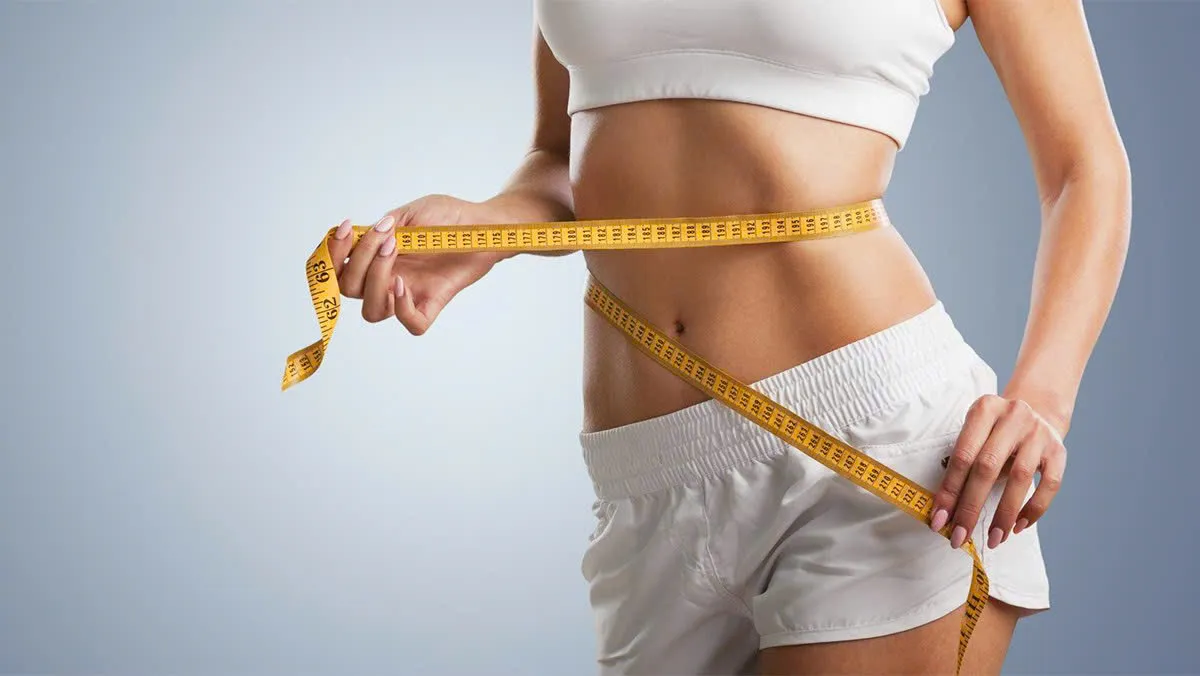

In modern life, as the quality of life improves, health and physique are gradually becoming top concerns. However, amidst a "forest" of information about extreme diets or rapid weight loss pills, beginners often fall into a state of confusion, applying incorrect methods that lead to physical exhaustion.
From the perspective of nutritional science, weight loss has never been a battle of self-deprivation. It is a process of resetting habits so the body becomes healthier, more flexible, and full of energy. Weight loss is about making the body better, not just about losing as many kilos and fat as possible.
So, What Is The Real Goal Of Weight Loss?
Many people seek weight loss just for the number on the scale, but the core goal of this carries a greater meaning:
· Physiologically: Reducing excess fat (especially visceral fat) helps minimize the risk of chronic diseases such as type 2 diabetes, high blood lipid, high blood pressure, and reduces pressure on the skeletal system.
· Psychologically: Improves self-confidence, enhances sleep quality, and maintains mental clarity.
To lose weight "quickly" yet "scientifically", you need two core elements:
· Caloric Deficit: Calories consumed must be less than calories burned, but not lower than the basal metabolic rate (BMR).
Sufficient micronutrients and macronutrients: The body needs enough Protein, Lipid (good fats), and Carbohydrates.
Body Assessment Tool: BMI Index
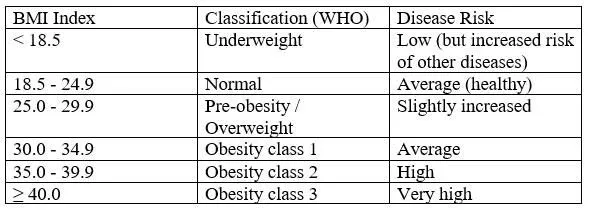
Body Mass Index (BMI) is the most common tool to determine if your weight is at a healthy level compared to your height.
Formula: BMI = Weight (kg) / [Height (m) x Height (m)]
Nutritional classification table for adults (According to the World Health Organization - WHO standards):
How to Calculate Caloric Deficit (TDEE & BMR)
To lose weight safely, you need to determine your Total Daily Energy Expenditure (TDEE). This process includes the following steps:
Step 1: Calculate BMR (Basal Metabolic Rate)
BMR is the amount of calories your body needs to maintain basic vital functions (respiration, blood circulation, brain activity, etc.) at complete rest. You can use the Mifflin-St Jeor equation:
· Men: BMR = (10 × weight in kg) + (6.25 × height (cm)) - (5 × age (years)) + 5
· Women: BMR = (10 × weight (kg)) + (6.25 × height (cm)) - (5 × age (years)) - 161
Step 2: Calculate TDEE
Multiply BMR by your physical activity level:
· Sedentary (office job, no exercise): BMR × 1.2
· Lightly active (light exercise 1-3 days/week): BMR × 1.375
· Moderately active (exercise 3-5 days/week): BMR × 1.55
· Very active (exercise 6-7 days/week): BMR × 1.725
Step 3: Calculate Caloric Deficit
For safe and sustainable weight loss (losing about 0.5kg/week), calculate your daily calorie intake by:
Required calorie intake = TDEE - 500 kcal.
Note: Women should not consume less than 1200 kcal/day and men not less than 1500 kcal/day to avoid slowing down metabolism and physical exhaustion.
Guide to Calculating Required Water Intake
Water plays a crucial role in boosting metabolism, supporting digestion, and reducing cravings (which are often mistaken for thirst).
Basic formula: Water amount (liters) = Weight (kg) × 0.04
Example: A 60kg person needs: 60 × 0.04 = 2.4 liters of water per day.
Additional notes:
· Supplement during exercise: Add about 350 - 500ml of water for every 30 minutes of sweating exercise.
· How to drink: Drink evenly throughout the day. Especially drink 1 glass of warm water in the morning right after waking up to wake up the internal organs and 1 glass 30 minutes before meals to support the feeling of fullness and reduce food portions.
3 Foundations of Safe Weight Loss
· Nutrition: The Key to Safe Deficit. According to the US CDC - Centers for Disease Control and Prevention, cutting 500 kcal/day helps lose 0.45 - 0.9 kg/week. Especially, consuming 1.2 - 1.6g of protein/kg of body weight helps preserve muscle and increases satiety by up to 30% by suppressing the ghrelin hormone.
· Exercise: Protecting Metabolism. WHO recommends: 150 minutes of moderate-intensity aerobic exercise (brisk walking, cycling) and at least 2 resistance training sessions per week to maintain muscle mass, thereby increasing BMR.
· Sleep: The Magic Potion for Hormone Balance. Studies show that people who sleep less than 6 hours/night have a 14.9% increase in the appetite-stimulating hormone (ghrelin) and a 15.5% decrease in the fullness-signaling hormone (leptin). You need to sleep a full 7-8 hours per night.
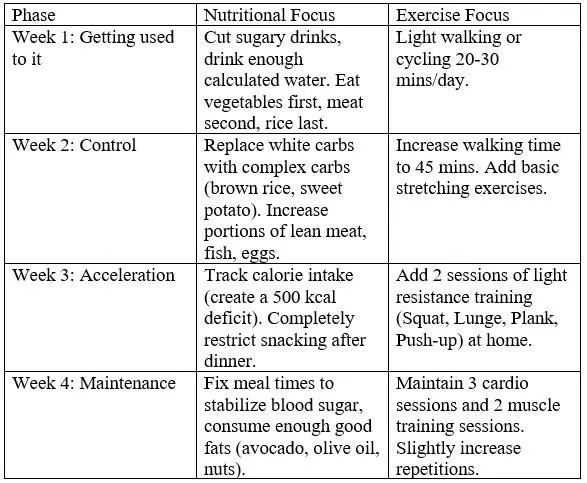
30-Day Physique Transformation Roadmap
The Meaning of Scientific Weight Loss
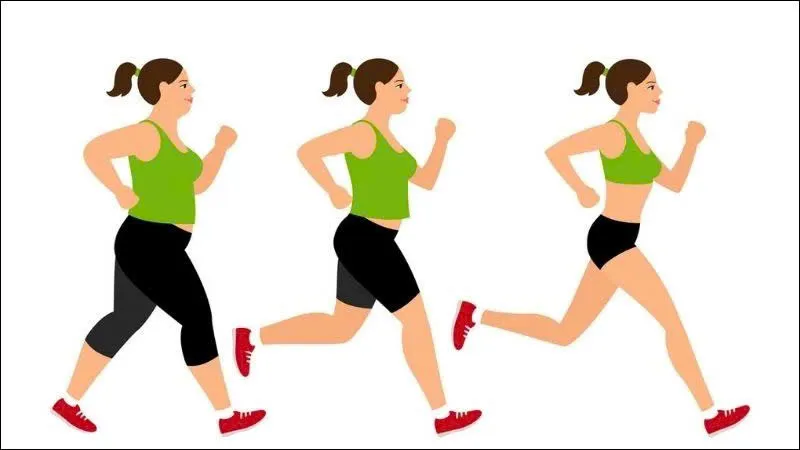
Scientific weight loss is absolutely not fasting. When you fast, what you lose is mainly water and muscle. The consequence is a severe drop in metabolism, physical fatigue, hair loss, and when you eat normally again, you will gain weight back very quickly (Yo-yo effect).
Proper weight loss is the art of food choice: eating more in volume (thanks to green vegetables, water-rich foods) but taking in fewer calories. You can still join family meals, have enough energy to work effectively, and most importantly, you feel more love for your body every day.