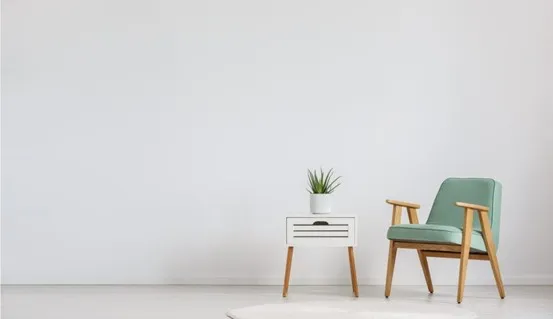

We are drifting in an era where consumerism is worshipped as a new ideology, where an individual's value and success are often measured by the branded items they wear, the car they drive, or a house filled with expensive belongings. Everyday advertising campaigns constantly sow the illusion in our minds that happiness can be bought with money, and satisfaction lies in possessing as much as possible. Amidst that endless shopping storm, Minimalism rises as a silent life preserver. Many people mistakenly believe minimalism is an ascetic lifestyle, depriving oneself of material joys or forcing oneself into a state of mock poverty. However, the true essence of Minimalism is quite the opposite: it is not a rejection of wealth or self-torment, but the art of purging the superfluous to focus all resources on things that truly bring core value, true to the philosophy of "living less to live more."
The most profound and easily noticeable benefit when entering the world of minimalism is an extremely light and free mind. Every object we bring home not only usurps physical space but also silently steals a portion of our mental energy. We have to spend time cleaning, maintaining, organizing, and sometimes worrying about the loss or damage of countless items that we might not even touch for a whole year. When bravely letting go of unnecessary items, we simultaneously free our brains from the distracting signals of a suffocating living space. The volume of housework decreases, giving way to tranquil moments, helping the mind rest, shaking off invisible pressures, and creating quiet spaces so humans can understand their own deepest needs.
Not only a healing remedy for the spirit, the minimalist lifestyle is also a spectacularly effective financial restructuring strategy. When escaping the spiral of impulsive shopping and stopping the race after frivolous trends just to impress fading people in your life, your cash flow will automatically be realigned in a disciplined manner. Cutting down on meaningless expenditures does not diminish the quality of life at all; on the contrary, it creates a solid financial defense cushion. You will be surprised to realize you can accumulate a significant amount, to be used for profitable investments, paying for meaningful experiences like eye-opening travels, or simply buying the freedom of not being besieged by debt pressure every payday. The robust financial health from minimalism is the master key opening up true autonomy in a world full of risks.
However, the transformation journey to become a minimalist is not a miracle that happens overnight, but a patient process of peeling back each layer of cumbersome habits. Starting minimalism does not require you to throw away all your possessions immediately; rather, kick off from the smallest corners: decluttering a drawer, filtering out clothes that have sat untouched in the corner of the closet for years without being worn once, or decisively unsubscribing from useless promotional emails. The core of getting started lies in always asking a sharp question before every decision to keep or buy new: "Does this item truly bring value, joy, or serve an essential purpose in my current life?". When the answer is hesitation or a shake of the head, have the courage to let it go.
Minimalism is a continuous journey of clarifying the muddy waters, discarding the surrounding external noises to clearly listen to the heartbeat of simple happiness from within.