
Key Considerations When Practicing Gym and Yoga for Optimal Results
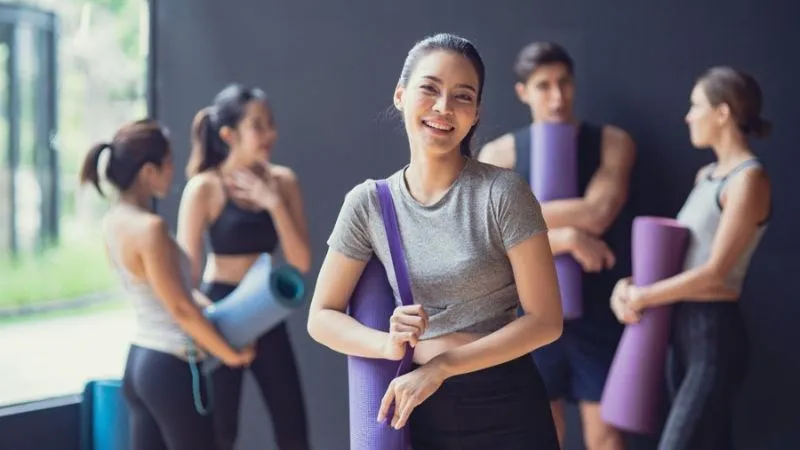
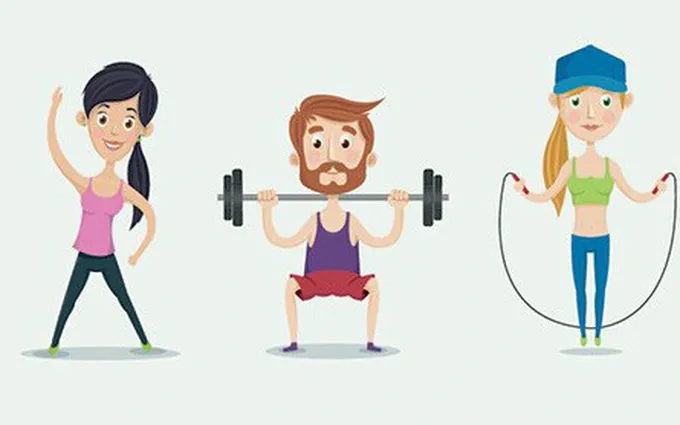
In recent years, gym and yoga have become two fitness disciplines chosen by many people to improve their health. While gym training stands out for its ability to build muscle, increase strength, and improve physique, yoga helps enhance body flexibility, balance the mind, and reduce stress. No matter which discipline you pursue, training correctly is always a crucial factor that determines effectiveness and safety.
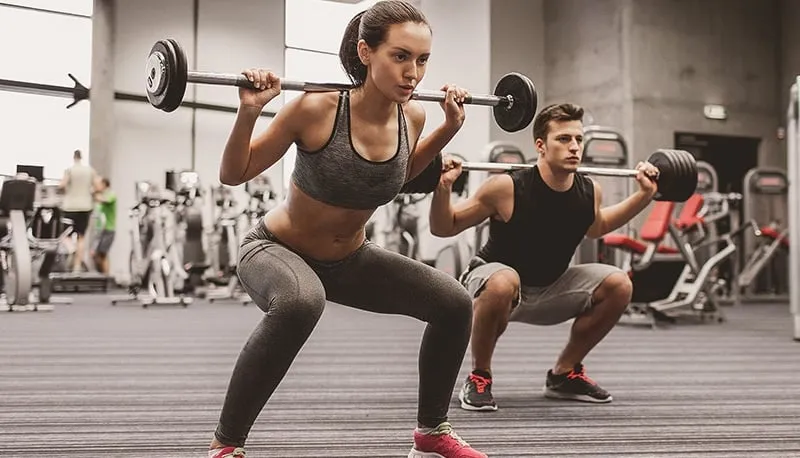
Gym training brings many benefits, such as enhancing cardiovascular health, improving physical fitness, and supporting weight loss or weight gain according to desired goals. However, practitioners need to pay special attention to their nutrition. The body needs to be supplied with adequate protein, carbohydrates, healthy fats, vitamins, and minerals to recover after each workout session. Skipping meals or eating unscientifically can significantly reduce training results.
In addition, the intensity of workouts needs to suit each individual's physical condition. Beginners should progress from light to heavy weights, avoiding overexertion that could lead to injury. Men often choose exercises that develop strength and build muscle, such as: Bench Press, Incline Bench Press, Deadlift, Squat, Leg Press, Pull-up, Lat Pulldown, Shoulder Press, Bicep Curl, and Tricep Pushdown. Women usually prioritize exercises that help tone the body, enhance the glutes, and improve the silhouette, such as: Hip Thrust, Glute Bridge, Bulgarian Split Squat, Walking Lunge, Romanian Deadlift (RDL), Cable Kickback, Leg Curl, and Leg Extension, combined with core exercises like Plank, Crunch, and Russian Twist. However, no exercise is exclusively for men or women. Each person should choose exercises based on personal goals, physical condition, and preferences. Beginners need to prioritize learning the proper technique before increasing the weight or workout intensity.
Yoga is also a comprehensive method for physical and mental conditioning. Yoga exercises help increase flexibility, improve balance, support sleep, and reduce life pressures. Currently, women tend to choose yoga more than men; however, this discipline is perfectly suited for everyone.
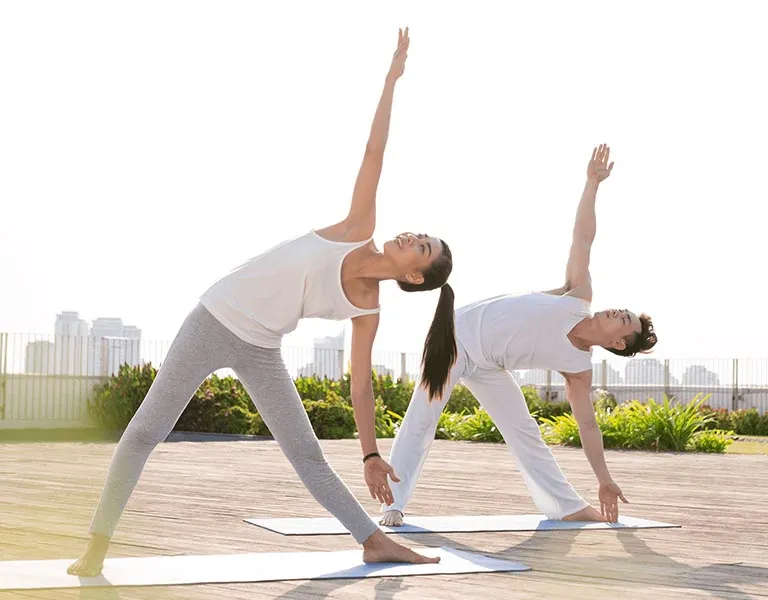
When practicing yoga, practitioners should choose comfortable clothing, avoid eating too full before a session, and always warm up gently. Stretching movements should be performed gradually, avoiding forcing the body into positions beyond its limits. For beginners, it is advisable to learn with an instructor or join basic classes to master breathing techniques and perform movements correctly. This helps limit injuries and bring higher efficiency. Yoga has many different schools and exercises, from basic to advanced. Beginners can get used to simple poses such as Mountain Pose, Child's Pose, Cat-Cow Pose, Cobra Pose, Downward Facing Dog, Tree Pose, and Bridge Pose. Those who already have experience can try more advanced exercises like Warrior I, II, III, Triangle Pose, Crow Pose, Camel Pose, Headstand, or Wheel Pose. When practicing yoga, the important thing is not performing difficult poses but maintaining body control, breathing rhythm, and focus. Trying to force the body into poses beyond its capability can lead to muscle, ligament, or spinal injuries.