
In love, people often become more vulnerable than their usual selves. A single look, a message, or even just silence is enough to make the heart flutter or waver. Therefore, it is not difficult to find people who gradually let their emotions depend entirely on their partner. But is this a manifestation of a profound love, or a sign of losing oneself?
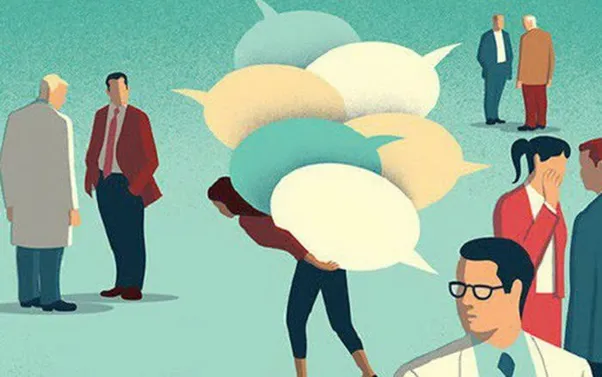
Emotional dependency in love can be understood as a state where a person's joy, sorrow, sense of security, or insecurity are strongly dictated by the other person. They are happy when their partner shows care, and sad when their partner is cold. A day can become radiant just because of a checking-in message, but it can also become gloomy just because of indifference. Gradually, their mood no longer belongs to them, but lies in the hands of the other person.
The clearest manifestation of this dependency is always observing the partner's facial expressions and attitudes. Just a slight change can make them worried, overthink, and cause self-induced insecurity. They are easily hurt by seemingly unintentional words and tend to overthink things that may not even exist. Worse still, they make the other person the center of their life, ready to set aside personal hobbies, friends, and even their own values just to preserve the relationship.
It is undeniable that, to a certain extent, emotional dependency is indeed a sign of genuine love. When truly in love, a person will naturally care, pay attention to, and be influenced by the one they love. It is a testament to the bond, to the fact that we cherish that relationship. A little "dependency" can make love deeper, helping the two understand and become closer to each other.
But the boundary between "loving deeply" and "losing oneself" is incredibly fragile. When dependency exceeds the limit, it is no longer love but becomes subordination. The individuals involved gradually lose their independence, no longer making decisions based on their own desires. They change to please their partner, losing their own identity. Their psychological state becomes unstable, constantly anxious and afraid of being abandoned. And more sadly, they might even accept hurt and unhealthy relationships just to avoid losing the other person.
The causes of emotional dependency usually stem from a lack of self-confidence, the fear of loss, or past traumas. When a person does not truly love and understand themselves, they easily view love as the "sole pillar of support," thereby unintentionally handing over the control of their emotions to someone else. They mistakenly believe that to love is to sacrifice everything, to put the partner above themselves.
However, a true love is not about constraint, but about companionship. Two people come together to make life better, not to become the reason for each other to lose themselves. Therefore, the important thing is to know how to balance emotions: keep personal space, cherish individual values, and learn to love yourself before loving someone else. When we are steady enough, love will no longer be a burden but will become a true pillar of support.
Emotional dependency is not entirely wrong, but it is only beautiful when it remains within the boundaries of mindfulness. Loving deeply does not mean trading away oneself, but rather growing together while still maintaining who you are. Because a lasting love is not when two people cannot live without each other, but when they are still themselves - yet choose to be together.