
After decades of dedicating themselves to their careers, raising children, and fulfilling social responsibilities, retirement is often portrayed as a paradise of comfort and freedom. Many people deliberately choose to live independently, remaining unmarried, getting divorced, or putting aside plans to remarry as they enter a new chapter of life alone, believing that freedom from obligations is the ultimate form of enjoyment.
However, real life shows that happiness in retirement alone is not a fixed constant. It is a delicate balance, with an extremely fine line separating the desirable freedom of independence from the frightening erosion caused by invisible loneliness.
The bright side of freedom
The greatest benefit, and the main attraction for many people who choose to retire alone, is complete autonomy over both their finances and lifestyle.
With a stable pension, older adults no longer have to worry about depending on their children or relatives. This independence brings a powerful sense of emotional freedom: they have complete control over their daily routines, can eat whatever they like, and can travel wherever they want without having to compromise, make concessions, or worry about conflicts and disagreements with a spouse or their children and grandchildren.
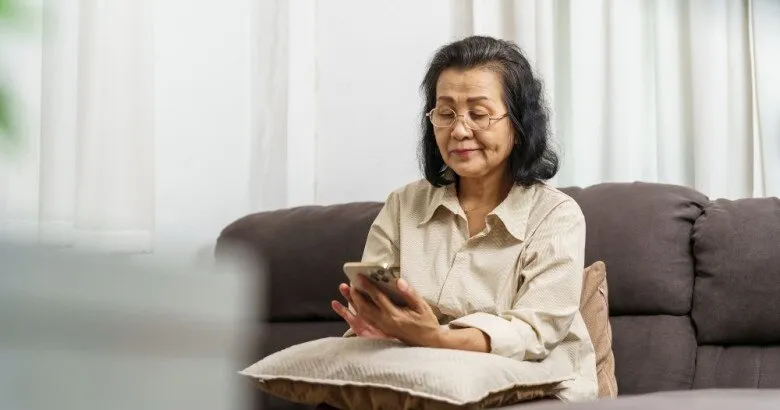
Life as a single person in old age can still be full of joy when people learn to turn solitude into positive independence. They have time to pursue passions they put aside in their younger years because of busy schedules, such as gardening, writing books, attending art classes, or simply enjoying complete peace of mind.
Without family obligations tying them down, they have the opportunity to focus entirely on their own health and make the most of the present, turning their retirement years into a genuine extended holiday.
The hidden dark side
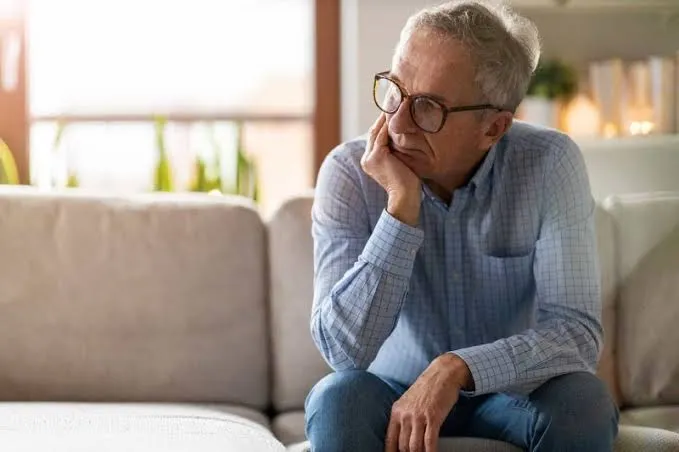
However, the transition from a busy life filled with social interaction to a much quieter routine without specific goals can easily leave people feeling unsettled. At this point, independence, if not properly guided, can turn into profound loneliness.
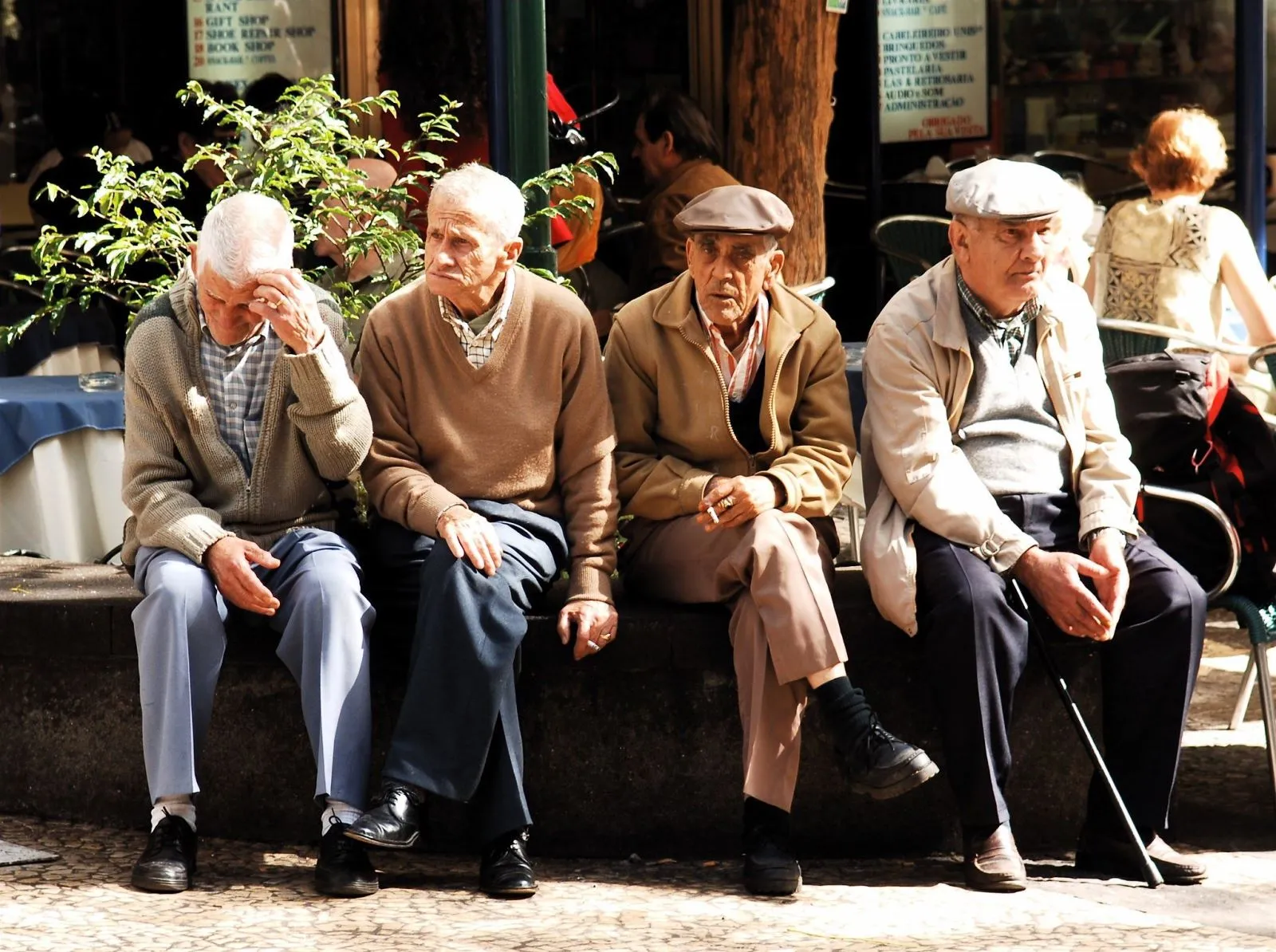
The greatest fear for those retiring alone is not material deprivation but the loss of connection with the world. The absence of a companion to talk to, discuss everyday matters with, or share the anxieties of aging can gradually erode mental well-being. Over time, this may contribute to anxiety disorders and depression, while seriously weakening the body's immune system.
The core value of close relationships
For retirement alone to truly bring happiness and peace of mind, the most important lifeline is the proactive cultivation and maintenance of close relationships. Living alone does not mean isolating oneself or becoming a solitary island in the middle of an ocean.
For this reason, a growing trend among retirees who approach this stage of life wisely is to build their own emotional support networks. Rather than confining themselves to their homes, they actively step outside and join dance, sports, or poetry clubs, as well as hometown associations, to find people with whom they share common interests and understanding.
Meetings with old friends, conversations with neighbors, and mutual care among members of local support groups for older adults are among the most effective ways to soothe the soul.