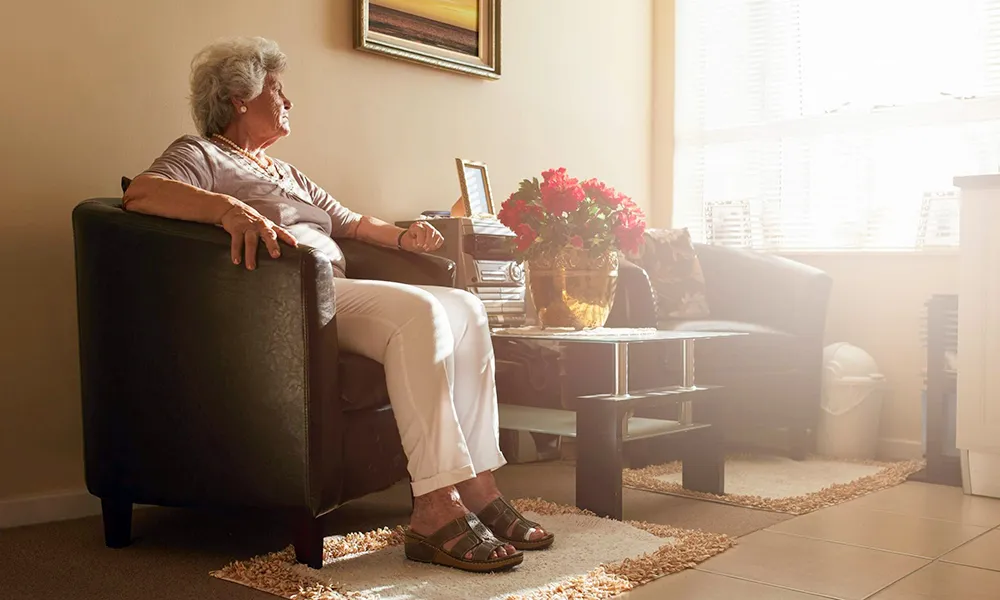
As people enter the later stages of life, they often find themselves in a period of reflection, reassessing the core values that bring happiness. This is a time when social circles gradually shrink, physical health begins to decline, and the time left becomes increasingly limited.
Standing at this threshold, a highly practical question inevitably arises: Between a solid financial foundation and the emotional support of a genuine companion, which is the most valuable asset?
Many people mistakenly believe that retirement is a paradise of freedom, free from the pressure of reports, meetings, and the endless struggle to make ends meet. However, psychological research has shown that abruptly leaving the workforce and losing routines tied to society for decades can leave older adults feeling empty and directionless.
Statistics from many developed countries suggest that approximately one-third of older adults experience profound feelings of isolation. This loneliness does not simply stem from living alone. Rather, it is a subjective feeling that arises when people realize they lack understanding and emotional support from those around them. In old age, when their children have grown up and become absorbed in their own responsibilities, older people often fear being forgotten or regarded as “useless,” a burden on their families.

The absence of someone to talk to, share a simple meal with, or even check on them when the weather changes can increase the risk of depression and cognitive decline while accelerating the aging process. At this stage, the need for someone genuinely present is no longer a romantic desire associated with youth. It becomes an essential source of emotional support that soothes emotional wounds and helps extend life expectancy.
Although the need for emotional connection is immense, we cannot ignore a harsh reality: Love and companionship cannot pay for medication or hospital bills. Old age often comes with a weakened immune system and the onset or progression of chronic illnesses. At this point, financial health and physical health are closely intertwined and cannot be separated. When a stable income from work is no longer available, personal savings or a reliable pension becomes a strong shield that helps older adults preserve their dignity and self-respect.
Money in old age is not meant to flaunt status or fulfill extravagant ambitions. Instead, it is a tool that ensures independence and control over one's life. As stories of financially independent older adults widely shared in the media illustrate, having money set aside for emergencies means they do not have to ask their children for financial support or carefully weigh every word and action out of fear of upsetting others. With sufficient financial resources, older adults can access high-quality healthcare as soon as the first symptoms of illness appear. They can also freely pursue personal interests, such as gardening, reading, and joining wellness clubs, without depending on anyone else. Living in poverty and worrying about money during the final years of life is an extremely harsh experience. It can wear away every positive emotion and turn what should be a peaceful period into a prolonged stretch of anxiety and uncertainty.
However, if someone enters old age with enormous wealth but lives in a cold, empty mansion without the sound of anyone laughing or talking, can that truly be considered happiness? Money can buy the most expensive healthcare services and pay for domestic help, but it can never buy genuine affection, understanding, or the reassuring squeeze of a hand when night falls. The need for emotional connection among older adults is distinctive. They enjoy reminiscing, tend to talk more about the past, and are easily hurt by indifference.
Someone who genuinely stays by their side, whether a lifelong partner who has weathered life's storms with them, a longtime friend, or even a family member willing to care for them, can become a peaceful haven for the soul. A true companion is someone who listens patiently to stories told over and over, remains understanding when age brings unpredictable changes in personality, and sees them as whole individuals with rich life experiences rather than frail older people who deserve only pity. The presence of someone who genuinely cares brings a profound sense of security, helping to ease one of the greatest fears people face in old age: the fear of confronting death and dying alone.

Putting money and companionship on opposite sides of a scale to determine which matters more is, in essence, a one-sided way of looking at the issue. Real life shows that genuine happiness in old age can only be achieved when these two values work together in harmony and complement each other. Money serves as the foundation, providing the material resources necessary for a secure life and protection against the inevitable challenges of aging, illness, and death. Meanwhile, a genuine companion serves as the roof over one's head, providing the emotional nourishment that sustains the joy of living each day.

When older adults have enough financial resources to support themselves, their psychological burdens are reduced. As a result, they can approach their companions and children with greater ease and generosity, minimizing unnecessary conflicts and misunderstandings.
Conversely, the genuine affection of someone by their side gives material wealth meaning, turning savings into a means of enjoying trips together, sharing delicious meals, or pursuing meaningful charitable activities.