
Online dating apps have become a popular bridge connecting millions of people in their search for love, understanding, or simply someone to talk to.
However, behind the polished interfaces and sweet messages sent every day, an alarming reality is unfolding: you can never be entirely certain that the person on the other end is a real human being.
When the profile picture is not a real person
A study published by cybersecurity company McAfee in early 2026 revealed a startling figure: as many as 35% of adults in the United States encountered fake profiles or AI-generated images while searching for partners online. Approximately 25% of users admitted to discovering that they had been messaging an AI chatbot without even realizing it.
Modern algorithms can generate fictional faces so realistic that every pore appears authentic, rendering reverse image search filters completely ineffective. Some scam networks even hire temporary workers to conduct short video calls to establish trust before handing over all subsequent messaging to chatbots.
Establishing verification barriers and transparency with OVDating
In the face of AI's growing intrusion, simply evaluating potential partners through static personal information or a few profile pictures has become ineffective.
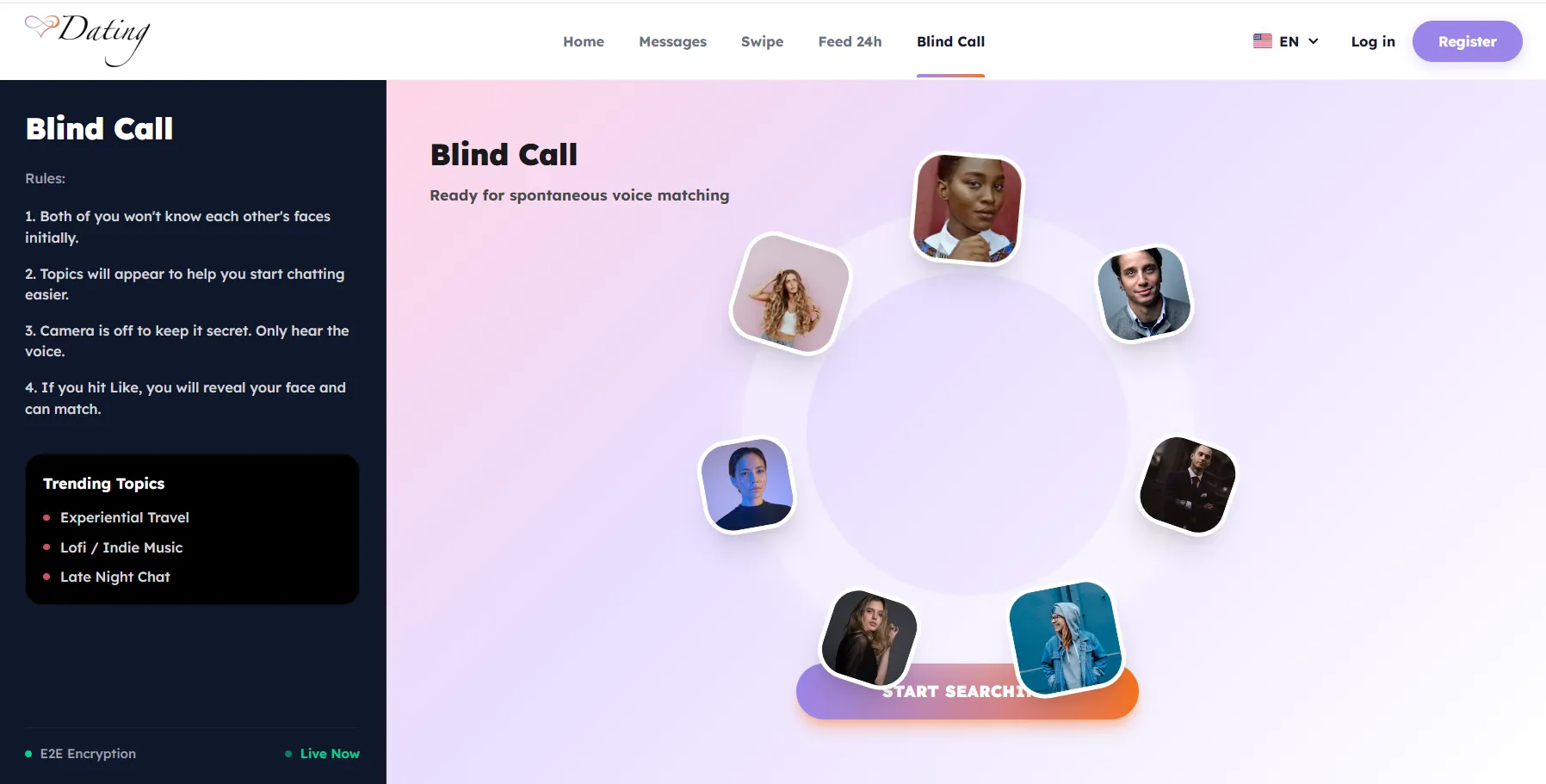
Recognizing this vulnerability, platforms that prioritize transparency, such as OVDating, have had to restructure their identity verification processes. Their most powerful tool is the Faceless Call feature. Instead of allowing users to immerse themselves in text messages that can easily be manipulated by AI, this feature requires both parties to interact through their real voices. The camera is completely disabled by the system to preserve their initial anonymity. However, direct communication guided by suggested topics such as Experiential Travel or Late-Night Conversations itself becomes an absolute human verification filter. An automated bot script cannot possibly replicate the emotions, hesitation, or genuine laughter of a real-time conversation.
In addition, the authenticity of personal information is cross-verified through the 24h Feed feature. Scammers may purchase a collection of fake photos, but having to continuously update their timeline with everyday stories through the "Add Story" feature is a barrier that is too demanding for scam organizations. Following this dynamic stream of information allows users to verify the consistency of their potential partners' lifestyles.
The "engagement bot" tactic
Sometimes, fake accounts are created directly by platform operators themselves to lure users into purchasing VIP subscriptions. To avoid falling into this trap, users need to choose ecosystems with transparent operating mechanisms. With OVDating, transparency is reflected directly in its interface structure: interaction channels, from Card Swiping and Faceless Calls to the 24h Feed, are clearly separated.
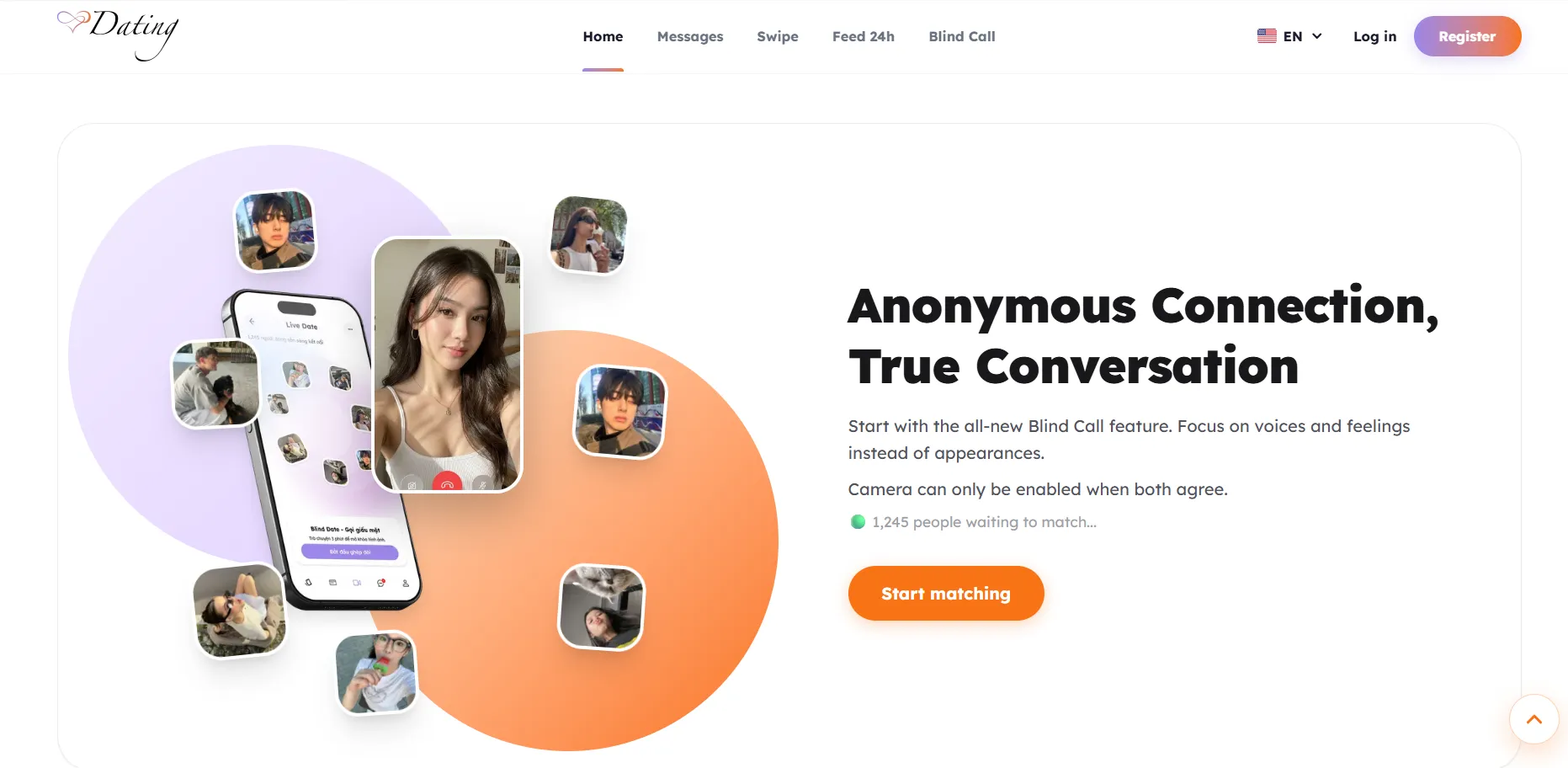
In particular, the Messaging space only becomes available when both parties genuinely agree to connect, with the "New Matches" management section clearly separated, allowing you to maintain complete control over who you are interacting with. You only connect and reveal your face when you actively press "Like" after a faceless conversation, completely eliminating coercive manipulation by algorithms.