
The decision to leave one's homeland to establish a life in another country is one of the biggest turning points in a person's life. Although it brings many promising opportunities regarding education, healthcare, and career, this journey also comes with numerous challenges. Therefore, thorough preparation in all aspects always plays a decisive role so that each person can adapt and develop sustainably in a new environment.
Immigration (or settling down) is the process in which an individual or family moves to live, work, and study long-term in a country different from their native homeland. Unlike short-term stays (such as tourism, business trips, or short-term study abroad), immigrants usually possess a long-term visa (often called a green card or Permanent Resident visa) to establish a stable and legal life. This process means starting to integrate into a new living environment, contributing to the workforce, and enjoying social benefits in the host country.
Conditions for immigration
Each country will have different immigration policies and laws; however, generally, to be approved for immigration, one needs to meet the conditions through one of the following common categories:
· High-skilled labor category: For individuals with expertise, degrees, and experience in industries that the host country is lacking (such as healthcare, information technology, engineering). Requirements usually include a foreign language certificate and a job offer.
· Investment - entrepreneur category: Suitable for individuals with strong financial capacity who need to invest a certain amount of capital into local businesses, real estate, or government funds, while creating jobs for locals (e.g., the US EB-5 visa or Canada's Start-up Visa).
· Family reunification category: For those who have immediate family members (spouse, unmarried children, or parents) who are citizens or permanent residents abroad sponsoring them.
· Study abroad transition category: International students after graduation can apply for a work visa to accumulate experience, and from there, apply for a permanent resident card.
In addition, common mandatory requirements in most countries include: a clean criminal record, good health (no serious infectious diseases), and the ability to prove transparent financial resources.

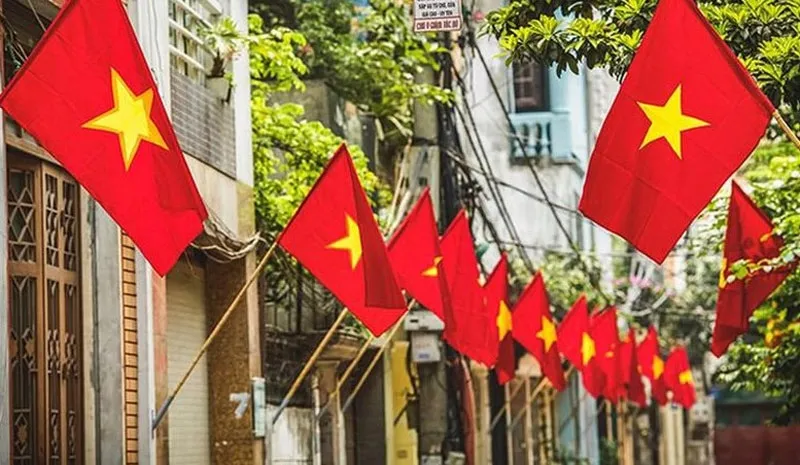
Conditions for foreigners wanting to settle in Vietnam
According to the Law on Entry, Exit, Transit, and Residence of Foreigners in Vietnam (amended and supplemented), foreigners who want to settle long-term (permanently reside) in Vietnam must meet the conditions under Article 40 of the 2014 Immigration Law:
· Belonging to the category of investors, scientists, or skilled experts temporarily residing in Vietnam, or being sponsored by a spouse, parent, or child who is a Vietnamese citizen permanently residing in Vietnam.
· Having legal accommodation and a stable income to ensure a living in Vietnam.
· Being reviewed and granted a permanent resident card by the Minister of Public Security (valid for 10 years and renewable).
Is immigration the same as naturalization? Do you have to give up your home country's citizenship?
A very common misunderstanding is equating “immigration/permanent residency” with “naturalization”. In fact, these are two completely different legal statuses:
Permanent Resident (Immigration): Individuals are allowed to live, work, and enjoy healthcare and education benefits like locals. However, they still hold the passport of their home country. The biggest limitation for permanent residents is not having the right to vote, run for office, or work in high-level government security agencies.
Naturalization: This is the next step after being a permanent resident for the required number of years (usually 3 to 5 years) and passing the citizenship exam. Upon naturalization, one officially becomes a citizen of that country with full political and civil rights.
o For Vietnamese people, do they have to give up their Vietnamese citizenship?
The answer entirely depends on the laws of the country where you intend to naturalize. Current Vietnamese law has a mechanism that allows citizens to hold multiple nationalities. Many countries like the US, Canada, Australia, and some European countries also accept this. However, if you settle down and want to naturalize in countries like Japan, Singapore, or the Netherlands, their laws will strictly require you to renounce your original citizenship.
o For foreigners wanting to naturalize in Vietnam:
Based on Article 19 of the 2008 Law on Vietnamese Nationality (amended and supplemented in 2014, 2025), foreigners or stateless persons wishing to acquire Vietnamese citizenship must meet the following conditions:
· Have full civil act capacity; comply with the Constitution and laws of Vietnam.
· Know enough Vietnamese to integrate into the community.
· Have permanently resided in Vietnam for 5 years or more by the time of applying for naturalization.
· Have the ability to ensure a livelihood in Vietnam.
Do they have to give up their old citizenship?
According to Clause 3, Article 19 of the Law on Vietnamese Nationality, applicants for Vietnamese citizenship must renounce their foreign nationality, except in special cases permitted by the President of the State to retain their foreign nationality (such as being the spouse/parent/biological child of a Vietnamese citizen, or having made special contributions...).

Important considerations to keep in mind
Before sketching out the “foreign dream”, you need to take off your rose-colored glasses to look at reality and comprehensively evaluate the following factors:
1. Legal issues and regulations
Residency maintenance laws: A permanent resident card is not permanently valid if you leave for too long. Most countries require you to live in their country for a minimum period (for example, Canada requires living at least 730 days in a 5-year cycle) to avoid losing your immigration status.
Tax obligations: Tax systems in developed countries are extremely strict. For instance, in the US, citizens and permanent residents must pay taxes based on their global income, regardless of where that money is generated.
Differences in everyday laws: From the smallest regulations such as traffic, noise, waste sorting, to real estate ownership rights and strict regulations on children's rights. Ignorance of local laws can entangle you in civil and criminal penalties, and even pose a risk of deportation.
2. General factors (Finance, Culture, Environment)
Finances and Cost of living: The standard of living in developed countries is proportional to the expensive costs. You need to prepare a strong enough contingency fund to cover rent, health insurance, and living expenses for at least the first 6 to 12 months when you have not yet found a stable source of income.
Career and Professional barriers: Many degrees from Vietnam are not directly recognized abroad, especially in the medical, legal, or engineering fields. Many immigrants have to accept studying again, retaking certificate exams, or doing manual, off-field jobs in the beginning.
Culture shock and Language: Even if you have a high IELTS score, communicating with natives using slang or local accents remains a challenge. Additionally, differences in lifestyle (individualism instead of village community spirit) can cause feelings of isolation, depression, or intense homesickness.
Weather and Climate: Do not underestimate this factor. Harsh weather changes, such as long winters with negative tens of degrees in Canada or Nordic countries, can greatly affect the physical and mental health of people who are used to a tropical climate.