

Is Manual Labor Currently Less Stressful and "Healthier" Than Office Work? Will the Trend Among Young People Shift in the Future?
In the past, office work was always considered the ultimate destination of success, a well-deserved reward for years of diligent studying, and the best answer to family expectations. The image of a person working in an air-conditioned office, dressed in a neat shirt or a polished uniform, sitting in front of a computer screen was once seen as a symbol of stability and a bright future. Conversely, manual labor was often associated with hardship, working under the sun and rain, stained clothes, and what was assumed to be a modest income. This very mindset created a long-standing gap in how the value of these two types of work was perceived.
However, over the last few years, that perspective has been gradually changing. Not a few people, after a long time doing office work, have decided to leave behind the air-conditioned rooms, computer screens, and neat shirts to switch to direct labor jobs such as repair technicians, chefs, bartenders, farmers, delivery drivers, or opening a small business. What surprises many about this choice is that they feel their lives are lighter, with more time for themselves, even though the work is still physically demanding. So, is this actually true?
Office Work: Clocking Out But Not Truly Checking Out
Many people think office work is simply sitting in front of a computer screen for eight hours a day. But in reality, the greatest pressure of this type of work comes from things that are "invisible."
Having already spent a large portion of the day at the company, after work hours, phones still constantly receive messages from colleagues, clients, or superiors. Sudden meetings, urgent emails needing replies, or documents that must be completed within the day cause the boundary between work hours and rest hours to almost disappear. Many people, despite having returned home, still have their minds revolving around KPIs, sales, reports, or tomorrow's deadlines.
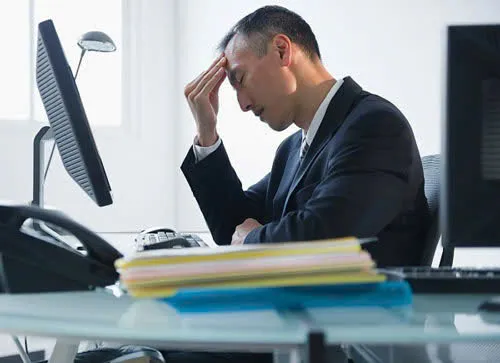
Even during holidays or vacations, many office workers still have to bring along their laptops or remain in a constant state of readiness to respond when the boss needs them. A vacation is sometimes just a change of scenery to continue working. This means that while the body might be resting, the mind is never truly relaxed.
Manual Labor: Clocking Out Means Truly Leaving Work Behind
For many manual labor jobs, finishing a shift means the work is over. Workers, chefs, mechanics, warehouse staff, technicians, or construction workers usually do not have to take work home.
After work hours, they can dedicate all their time to family, friends, or rest without being disturbed by work emails or messages. When taking leave or going on vacation, most can fully enjoy that time without having to constantly check their phones. Once the shift is over, it’s done; there is no need to stay on standby or sit in front of a screen working late into the night.

This clear separation between work and personal life helps many people feel mentally lighter, even though they have to perform heavy physical labor during the day.
Physically Tired or Mentally Exhausted? Which Exhaustion is Easier to Bear?
Office workers are usually sedentary but have to endure pressure from targets, competition, performance evaluations, responsibilities, and workplace relationships. Mental fatigue, accumulating over time, can be difficult to notice; many people ignore it and fail to take precautions, yet it heavily impacts health.
At first, it might just be mild insomnia, stress, headaches, or difficulty concentrating, with people thinking it's because they drank tea or coffee a bit too late, or because the weather is a bit hot, or because they lacked sleep the night before so they feel slightly tired today... If this persists, many can fall into burnout, anxiety, and depression, having to seek doctors or supportive medication. This is also why many experts believe that prolonged psychological pressure is often harder to recover from than physical fatigue.
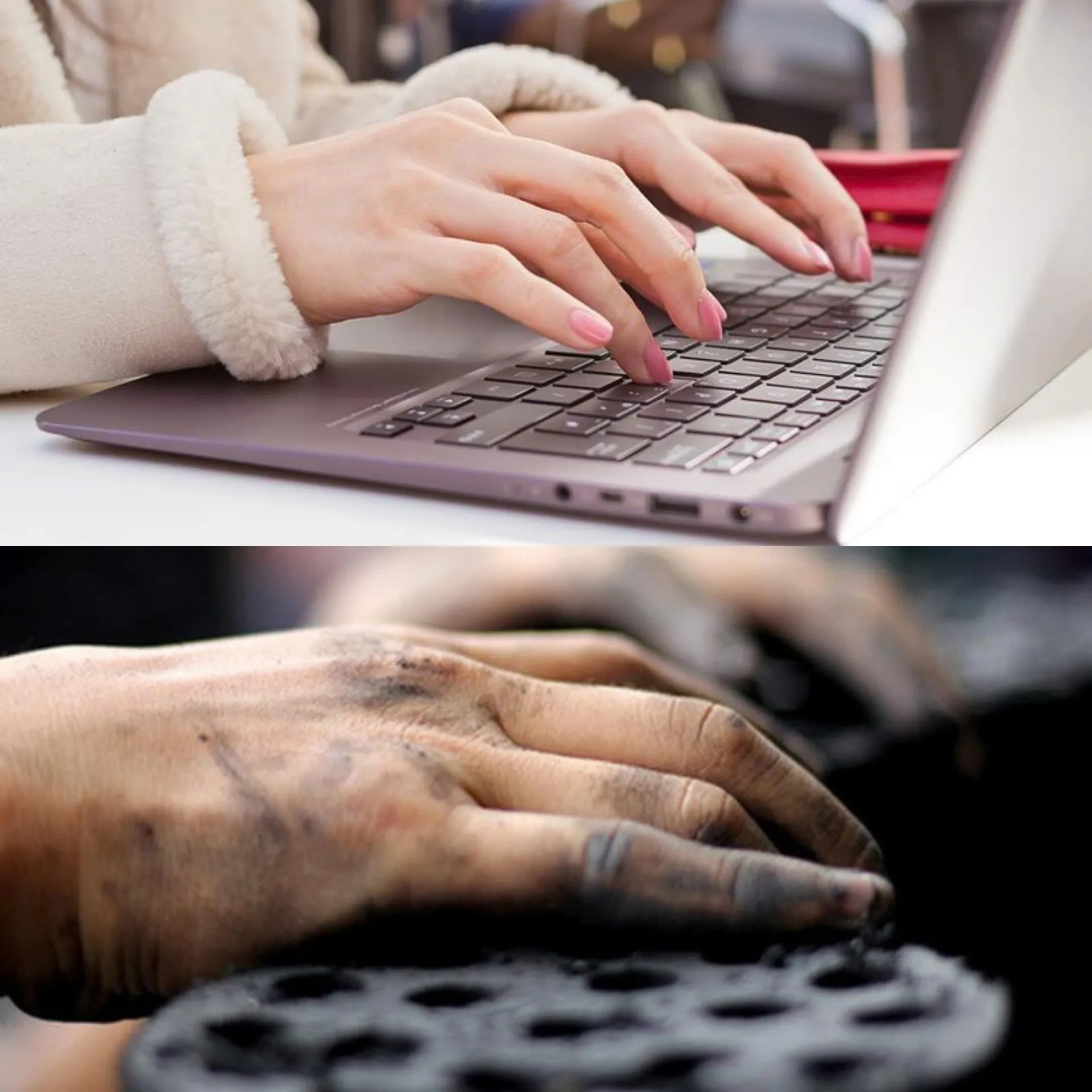
Manual labor requires continuous movement and consumes a lot of physical energy. After a day of work, aches, pains, and exhaustion are unavoidable, but with just a full meal, a good night's sleep, or a day off, the body can usually recover gradually. However, this is also a group of jobs that poses higher risks to safety and health. Many professions require working at heights, constant travel, navigating traffic, or direct exposure to harsh environments with sun, rain, and severe weather. Not a few people must also accept trading off their appearance, with sun-tanned skin, calloused and scratched hands, or the marks of time and labor.
Income: Is the Gap Still Different Now?
In the past, many people chose office work because they believed the income would be higher than manual jobs.
However, today's labor market has seen many changes compared to before. While office work was once considered an ideal choice thanks to stable income, a good working environment, and long-term development opportunities, in the context of economic fluctuations, constantly rising living costs, and increasing competition, that picture is no longer entirely the same. For many, an office salary is only enough to cover basic expenses, and they even struggle to balance their finances as prices continue to escalate.
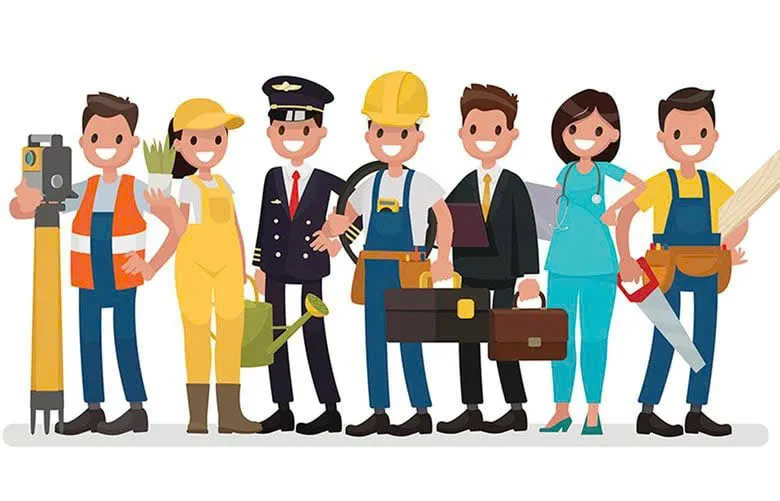
Meanwhile, many manual labor occupations are gradually being viewed from a different perspective. Due to high recruitment demands and an increasingly scarce workforce, fields like construction, mechanics, electricity, welding, machine operation, logistics, or technical fields... now offer more attractive income than before, especially for highly skilled and experienced workers. Not a few laborers earn higher incomes than office workers, while still maintaining stable jobs if they meet professional requirements. This shows that the value of a career is no longer determined by whether you work in an office or on a construction site, but depends on capacity, skills, dedication, and the ability to adapt to the demands of the labor market.
Why Are Many Young People Shifting Direction?
Recently, it can be seen that more and more young people are choosing vocational training or working in technical labor jobs instead of focusing solely on finding office work.
Part of the reason is their desire to balance life, reduce mental pressure, and have more time for themselves. In addition, technical fields are increasingly well-structured in training, with improved income and many opportunities for development.
However, there are still quite a few people who hold the mindset that "if you graduated from university, you must work in an office." Out of pride or family pressure, they are hesitant to return to their hometowns, reluctant to do manual work or jobs deemed less "prestigious." Meanwhile, modern society is gradually evaluating people based on capacity, income, and quality of life rather than the title of their profession.
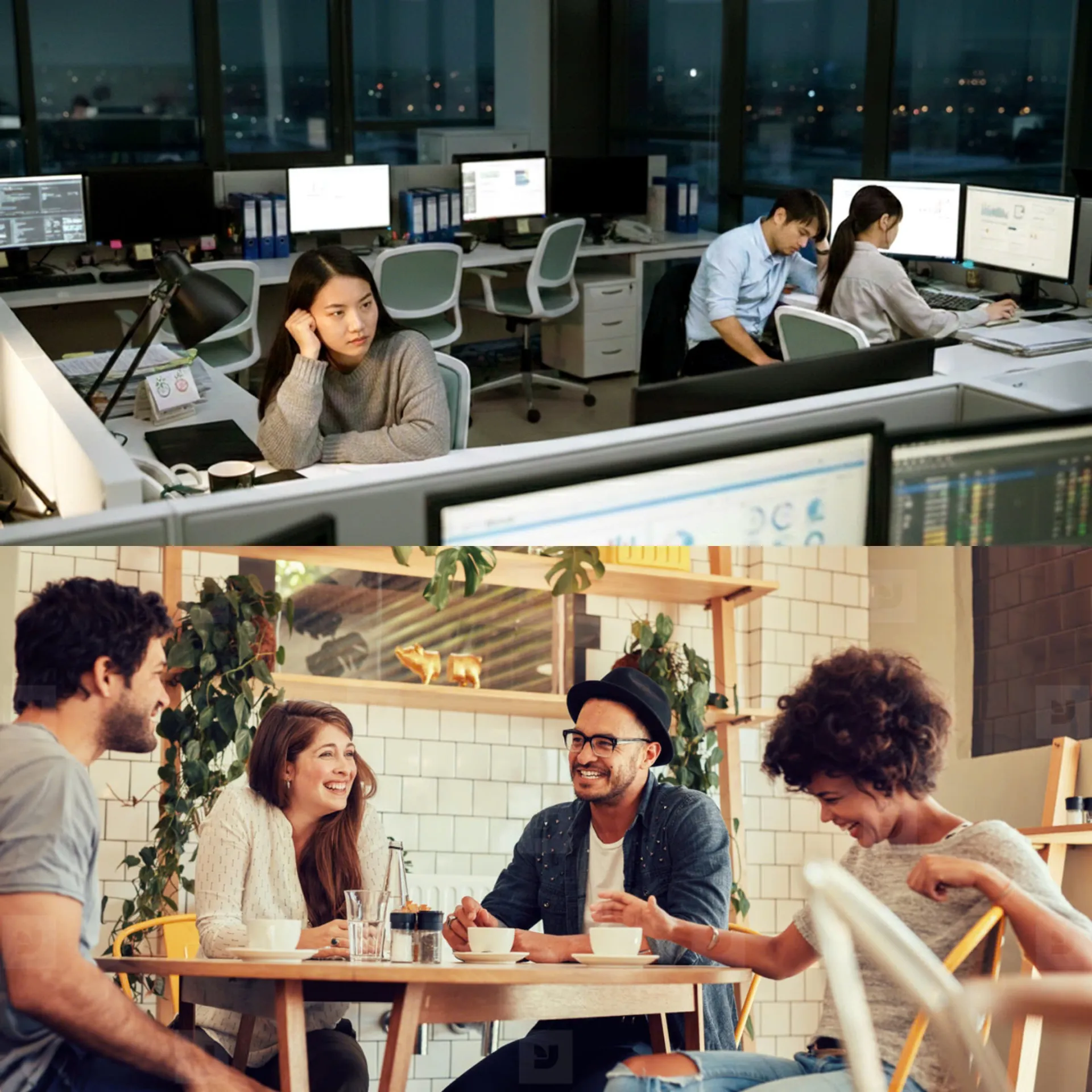
Not a few people have felt a bit disheartened when looking at the lives of friends doing other jobs. While they themselves are still busy working overtime at the company, painstakingly editing reports, or handling unexpected projects from superiors, their friend has already clocked out early. They have time to return home to rest, dress up nicely to go out for coffee, have dinner, meet friends, or gather with family. By evening, while office workers are still sitting in front of computer screens to complete their work, many others can already relax with a few video games, watch a favorite movie, or simply go to bed early. The next morning, instead of trying to sleep a few more minutes due to sleep deprivation after a late night, they can leisurely have breakfast with family, sip a cup of coffee, exercise, or start a new day with a comfortable mindset. This shows that, besides income, time for oneself and loved ones is also a value worth considering when choosing a career and defining a successful life.
So, Is Manual Labor Truly Better Than Office Work?
There is no single correct answer to this question for everyone.
Manual labor can bring mental comfort, clear boundaries between work and life, less taking work home, and helps many people feel "disconnected" after work hours. But in return, this work also carries risks of injury, physical wear and tear over time, and not every profession offers high advancement opportunities.
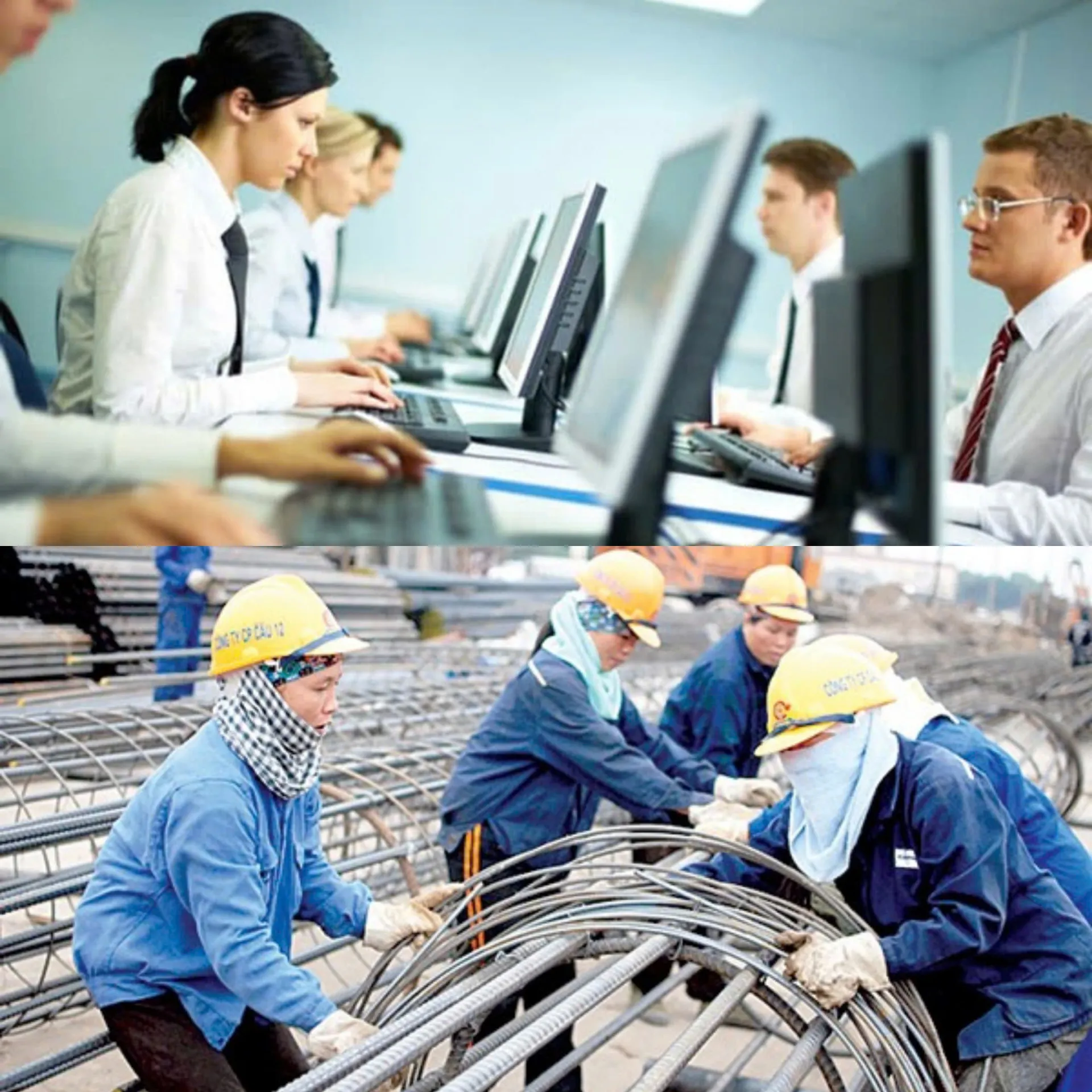
Conversely, office work often provides a more stable environment, with many opportunities for professional and managerial development. However, if one does not know how to balance work and life, mental pressure can become a heavy burden, affecting health and long-term happiness.