
Not merely a transit station or a transportation structure of the previous century, this place is truly a unique architectural work of art, a museum of memories fully preserving the romantic and quiet beauty of the misty city.
Through all the ups and downs of history, the station still stands there, intact and full of pride.
Built in the early years of the 20th century, Da Lat railway station has always been dubbed by experts and beauty lovers as the railway station with the most beautiful architecture in Indochina.
From the very first glance, the structure creates an extremely strong visual impression thanks to the harmonious and delicate combination of the typical French architectural style (Normandy region) and the image of the traditional Rong house roof of the Central Highlands people.
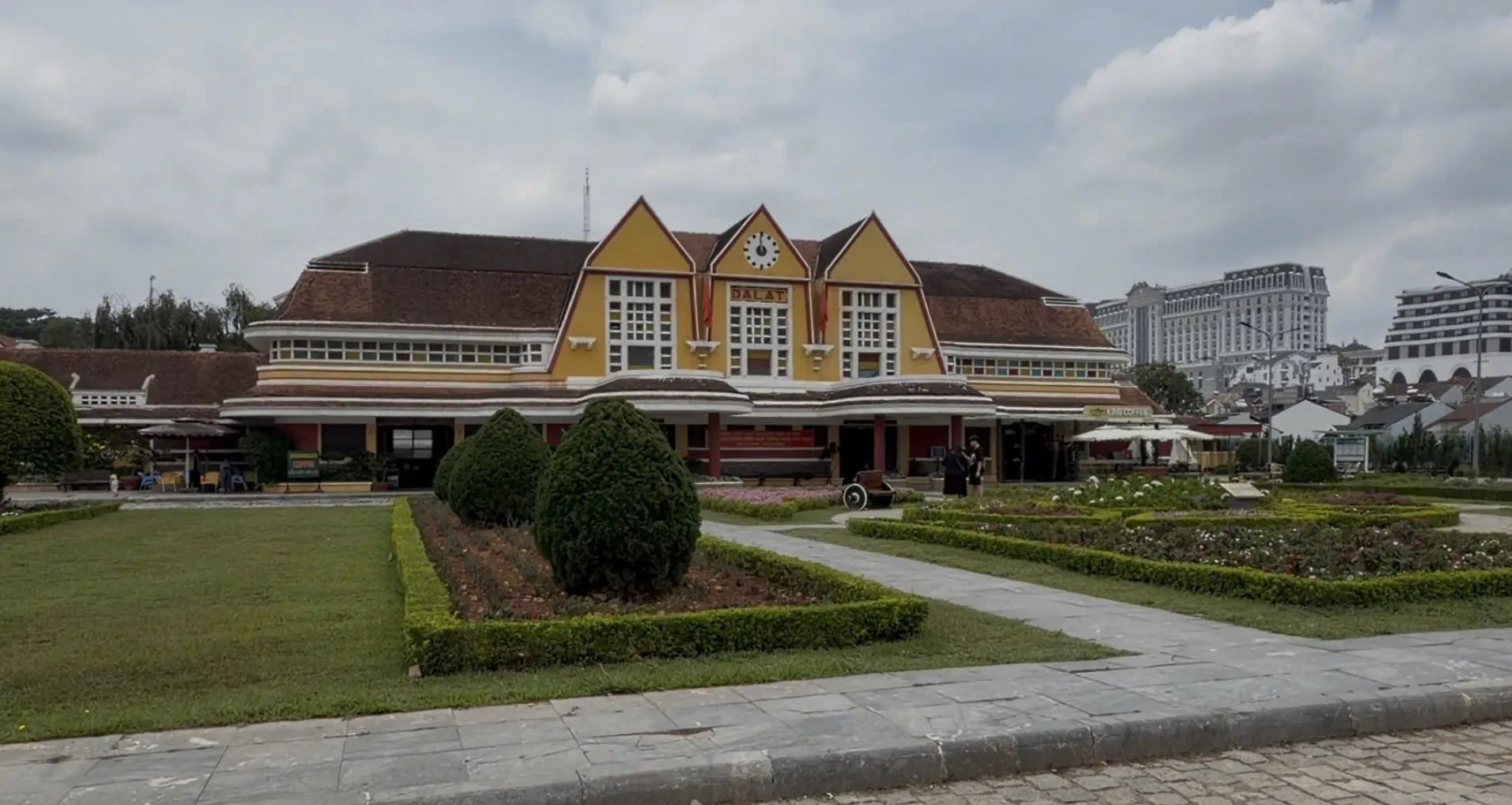
The three pointed peaks reaching high against the sky of the station are the image simulating the shape of the legendary Langbiang peak. Right under the central peak is a large clock, its marks recording the milestones of time as if standing still in the chilly space of Da Lat. The main yellow tone combined with a multi-colored glass window system has created an appearance that is ancient, elegant, yet warm.
Stepping into the station's interior space, the rays of sunlight piercing through the stained glass windows and reflecting on the floor seem to take visitors on a time machine back to the past.
In particular, Da Lat railway station today not only preserves the building's structure but also serves as an exhibition space imbued with nostalgia. This place still preserves and displays countless valuable antique artifacts from the early days of Vietnam's railway industry's development.
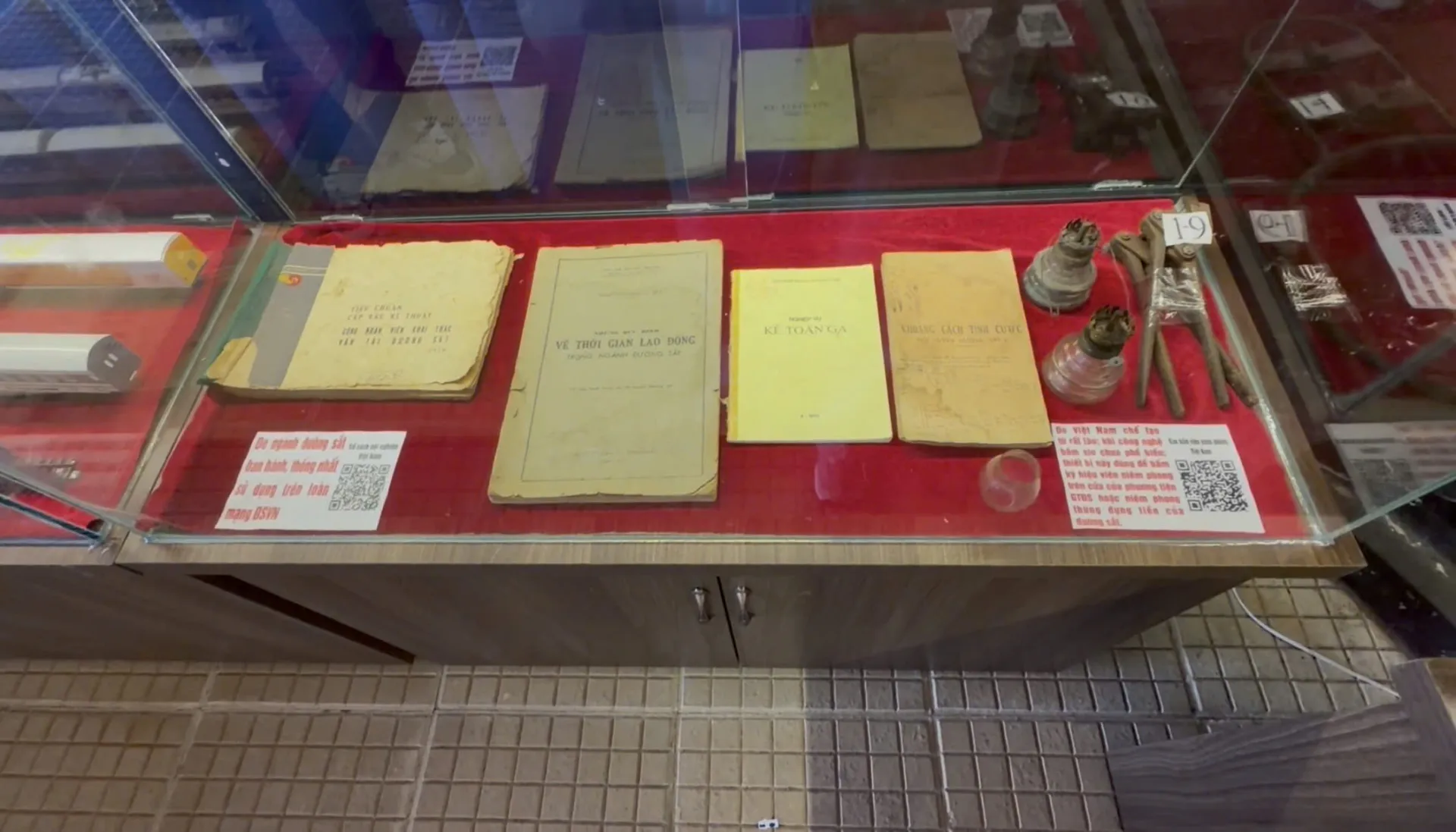
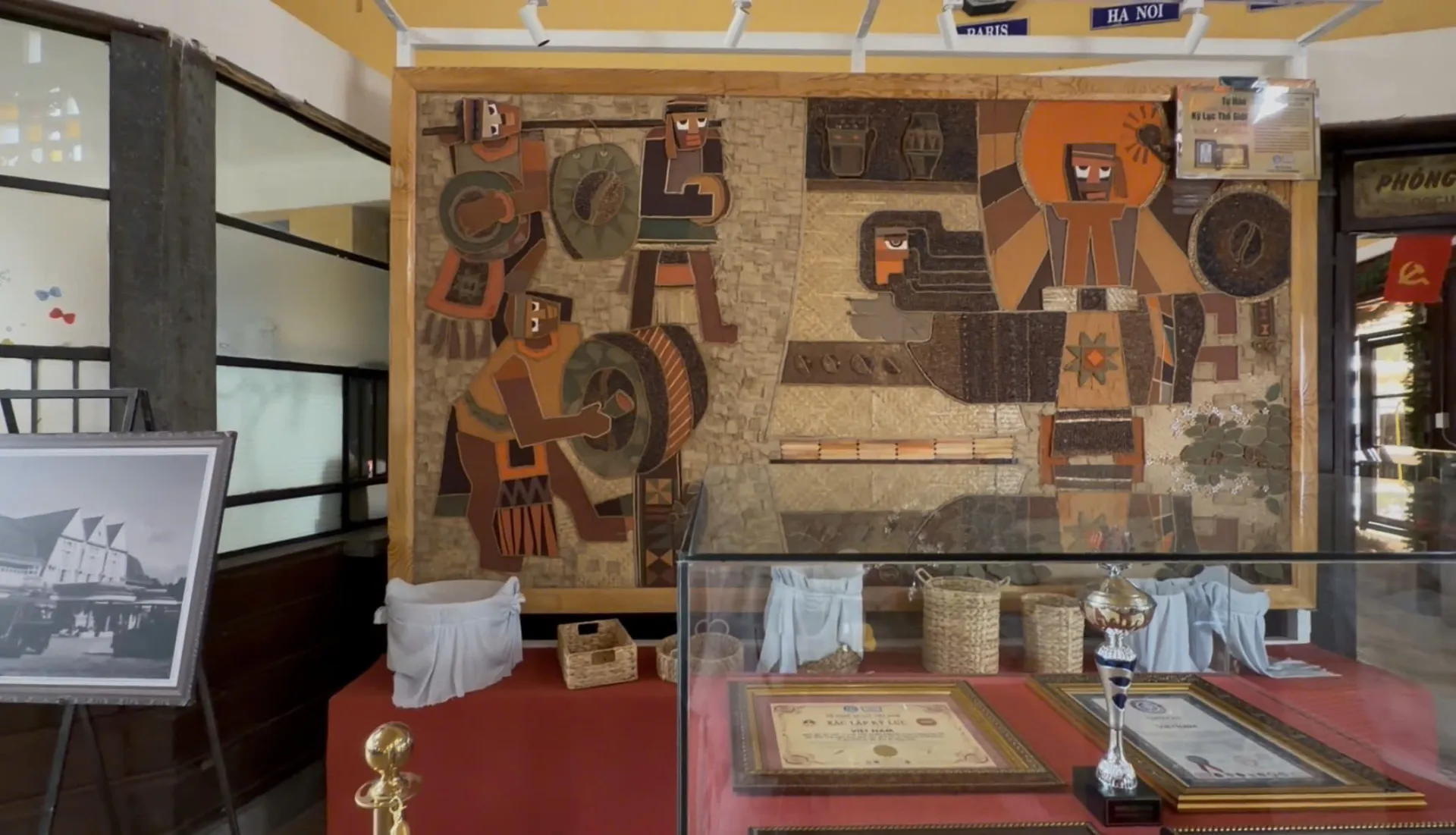
Visitors can easily come across yellowed "Station Accounting Notebooks", document folders on "Technical Grade Standards", or stamps, hurricane lamps, and manual ticket punching tools of railway staff from decades ago. The presence of these memorabilia, combined with artworks made from coffee beans depicting the Gong cultural life of the Central Highlands, has breathed a very unique soul into this place, a perfect intersection between industrial history and local cultural identity.
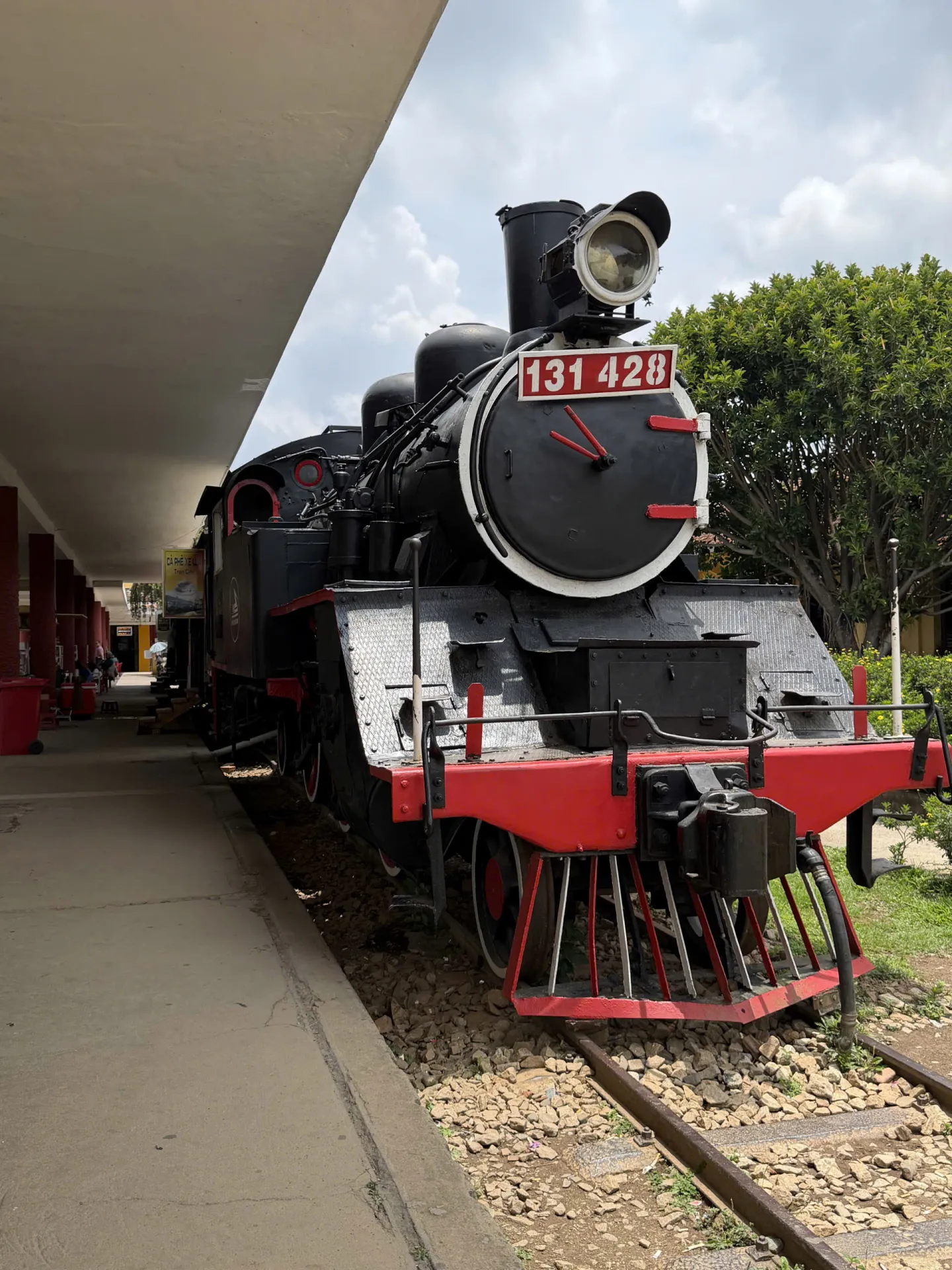
Leaving the waiting area and heading towards the tracks, a truly nostalgic picture appears before your eyes with winding railway tracks and "historical witnesses" made of iron and steel. The most eye-catching highlight is the antique steam locomotive numbered 131 428, bearing a glossy black coat of paint dotted with brilliant red details.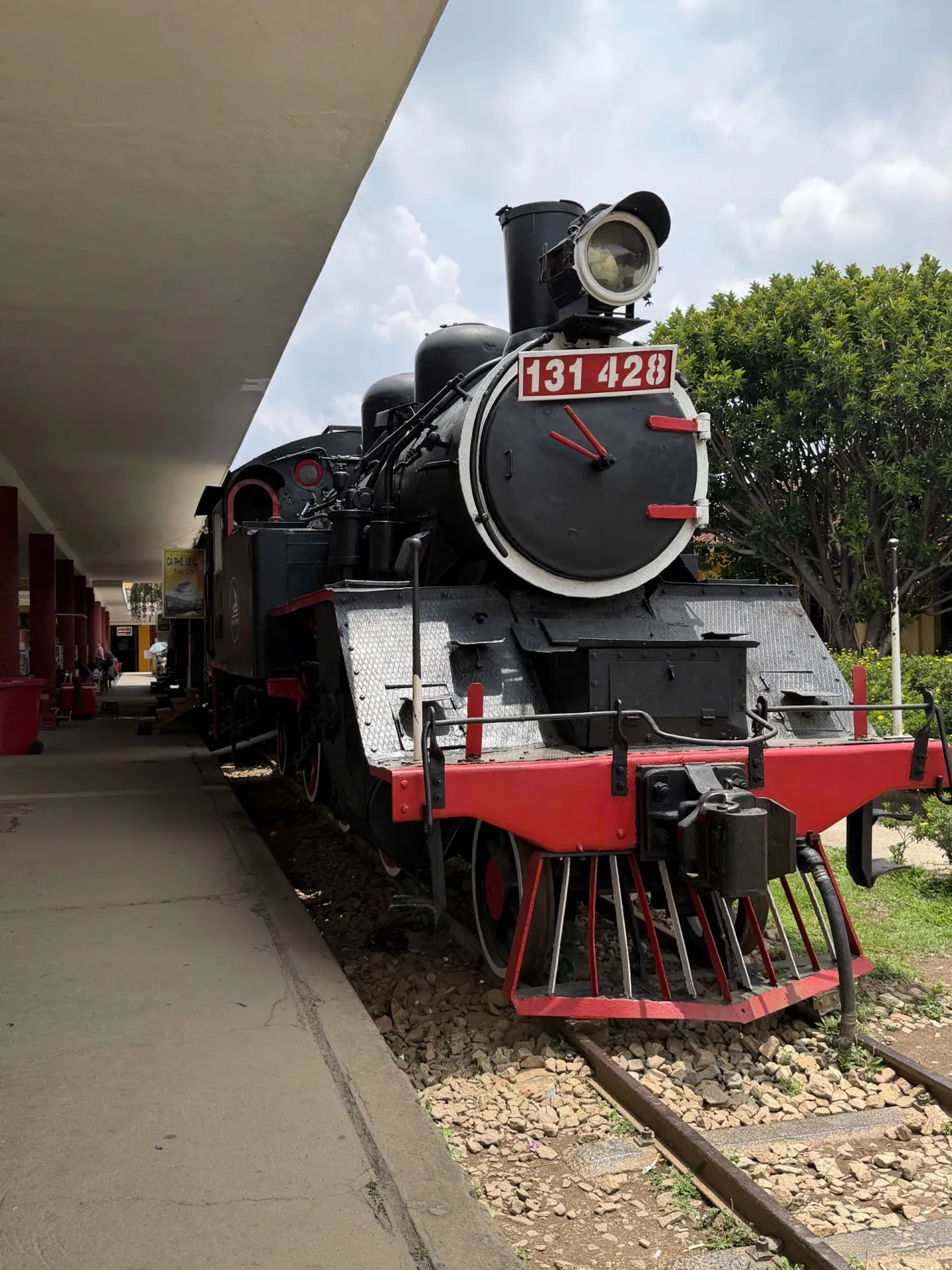
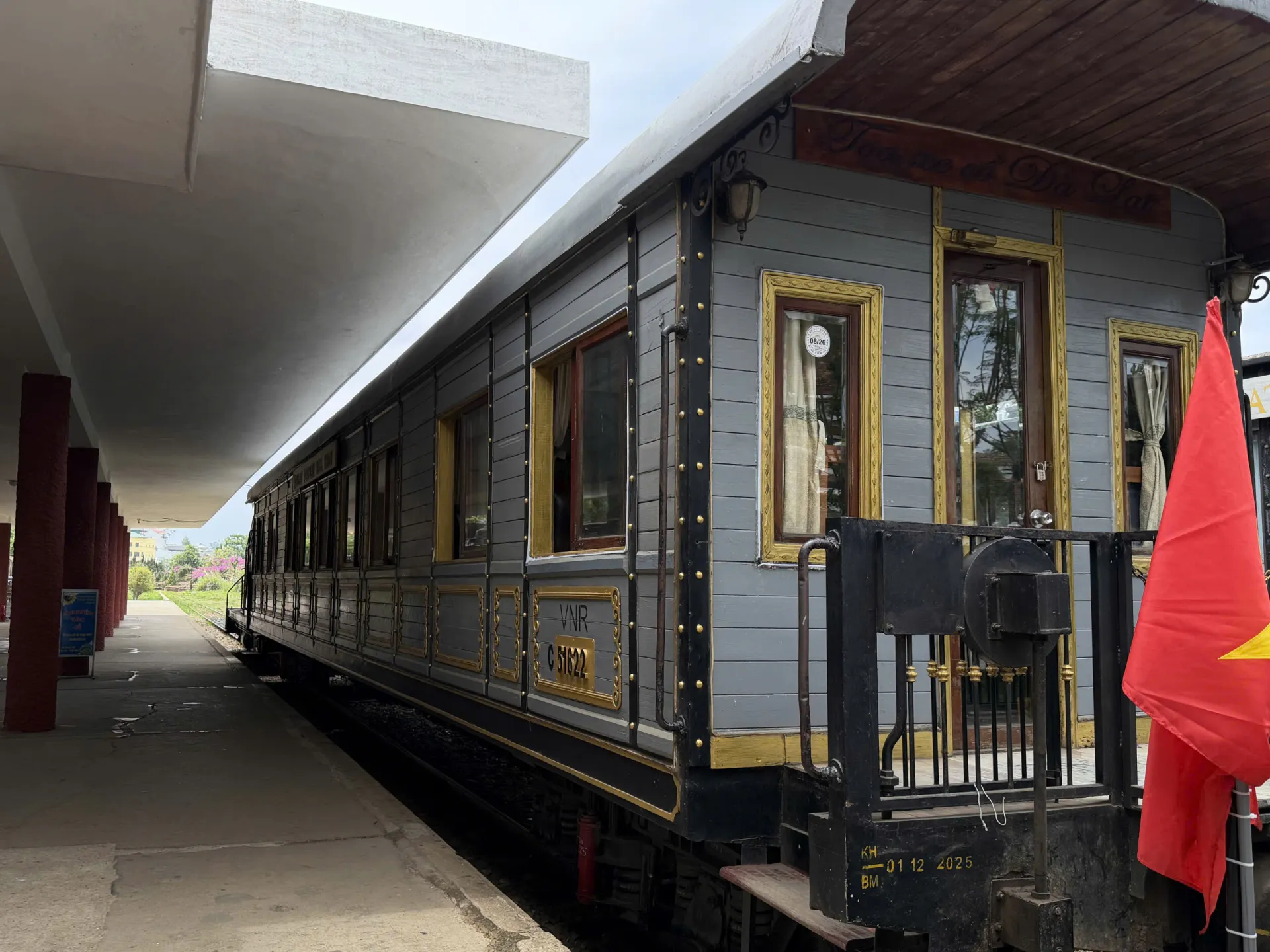
Lying quietly alongside are meticulously restored wooden train carriages. The pale gray paint with yellow borders, wooden windows, aristocratic-style hanging curtains, and the red flag with a yellow star fluttering in the wind create a stunningly cinematic scene. Although moss has clung to the railway ties, these machines always exude the majesty of a golden era, the era of the unique cog railway line.
Even though the trans-national railway system is no longer operational here today, Da Lat railway station still maintains a short route stretching about 7km taking tourists from the city center to Trai Mat.
Every wooden train slowly rolling by, echoing with the whistling and chugging sounds, brings a strangely peaceful feeling. Sitting in the old carriage, gazing out at the suburban scenery with greenhouses growing flowers and pine forests gliding past the window, travelers can most authentically feel the true soul and elegance of this land.
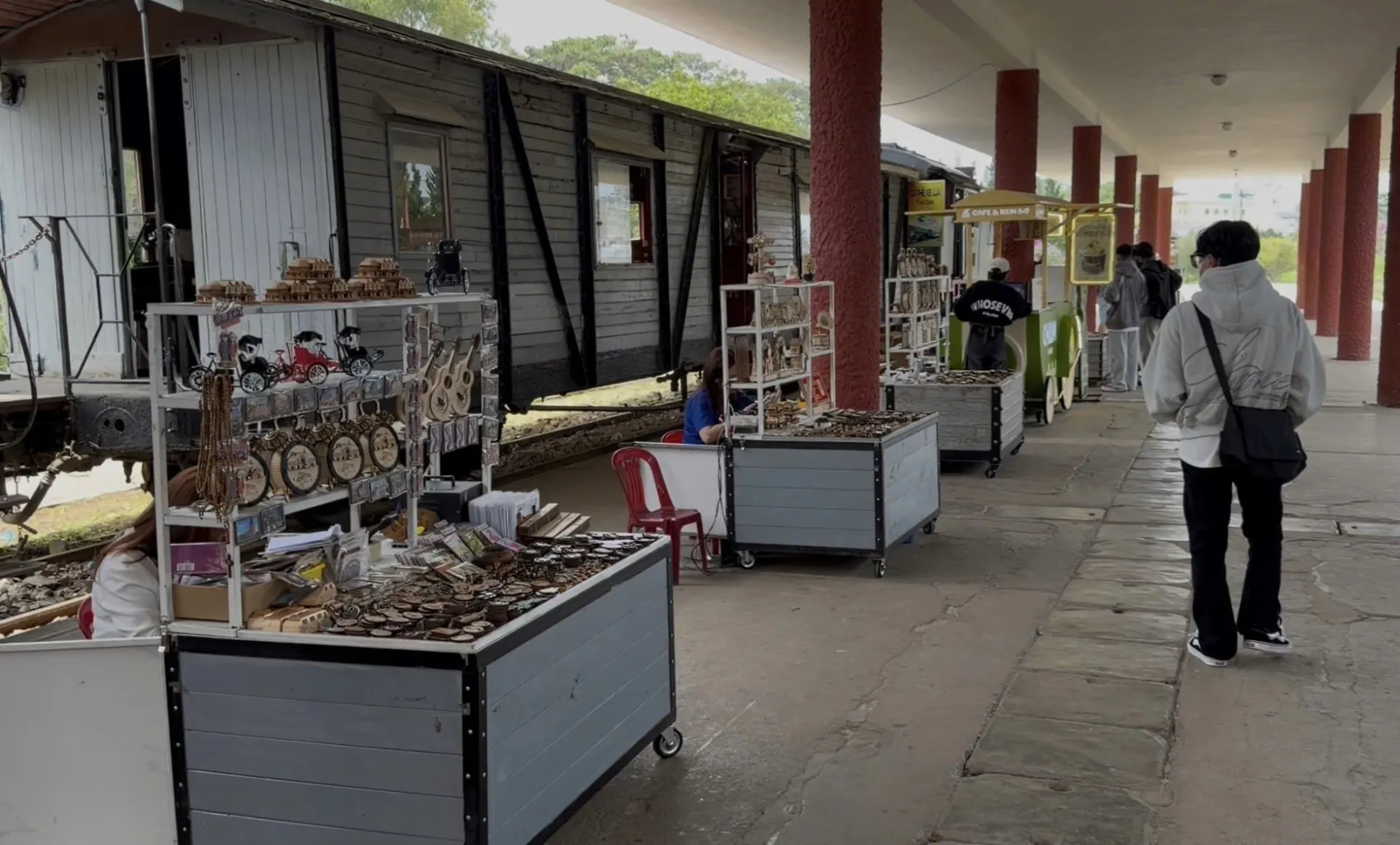
Surrounding the track area and train carriages today, there is also the appearance of small, charming stalls selling souvenirs, handicrafts, and pop-up cafes. The space is bustling with the footsteps of tourists coming to take photos and visit, but absolutely not chaotic or noisy. Everything still happens slowly, blending with the inherent leisurely rhythm of Da Lat.