
In a landmark move for Japan’s energy security, the Niigata prefectural government has officially given the green light for the restart of the Kashiwazaki-Kariwa nuclear power plant. This decision clears the final major hurdle, paving the way for the world’s largest nuclear facility to resume operations after years of closure following the Fukushima disaster.
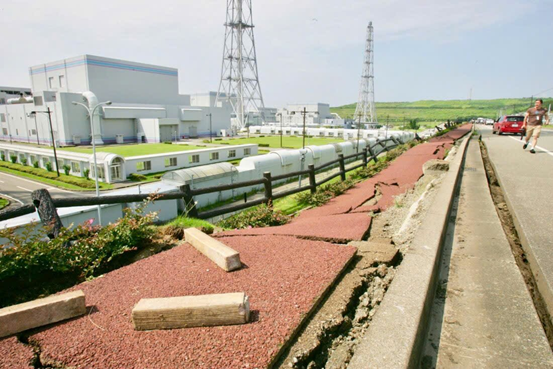
(All of Japan’s nuclear plants are offline while regulators consider restarts under safety rules revised after the March 2011 earthquake and tsunami caused meltdowns at the Fukushima Dai-Ichi plant. AP Photo/Koji Sasahara)
On Tuesday, Niigata Governor Hideyo Hanazumi held a pivotal meeting with Minister of Economy, Trade and Industry Ryosei Akazawa. During the meeting, Governor Hanazumi officially conveyed local approval for the restart of reactors No. 6 and No. 7. The decision follows a commitment from the central government to ensure the strictest safety standards and implement comprehensive emergency response plans to reassure residents.
The announcement comes just one day after the Niigata prefectural assembly passed a budget bill that includes the necessary funding for the restart process, establishing a firm legal basis for the Governor’s decision.
A turning point in energy policy
Operated by Tokyo Electric Power Company (TEPCO), the Kashiwazaki-Kariwa plant has been completely offline since 2012. Its closure was part of a nationwide wave of reactor shutdowns following the 2011 double disaster of earthquake and tsunami that led to the meltdowns at the Fukushima Dai-ichi plant.
However, the global energy landscape has shifted significantly. Faced with fuel shortages, soaring prices, and pressure to cut carbon emissions, Japan has reversed its policy of phasing out nuclear power. The government is now pushing to restart reactors, extend their operational lifespans, and even consider constructing new plants.
Speaking to the press, Governor Hanazumi acknowledged the gravity of the move: “This is a heavy and difficult decision.” He also met with Prime Minister Sanae Takaichi, a known proponent of nuclear energy, and requested that she personally inspect the site to verify safety levels.
Roadmap to restart
Under the current plan, preparations for reactor No. 6 are being expedited. TEPCO is expected to apply for a final safety inspection with the Nuclear Regulation Authority (NRA) later this week. If successful, the reactor could resume operations as early as January. Meanwhile, reactor No. 7 will require several more years to complete necessary preparations.
The road to this decision has not been smooth. Although both reactors passed safety screenings in 2017, the restart process was suspended in 2021 following the discovery of a series of security and safeguarding breaches. The operational ban was only lifted by the NRA in 2023.
Public anxiety flared up again following the earthquake on January 1, 2024, in the neighboring Noto region, raising questions about evacuation feasibility and safety during natural disasters. Nevertheless, economic pressure and energy demands drove the Ministry of Industry to seek early approval from Niigata.
The future of TEPCO and the nuclear industry
For TEPCO, the restart of Kashiwazaki-Kariwa is a matter of survival. The company is burdened with massive costs related to compensation and the decommissioning of the Fukushima plant. Bringing its only remaining operable nuclear plant back to the grid is key to improving its business standing and its efforts to regain public trust.
According to official data, out of Japan’s 57 commercial reactors, 13 are currently operating, 20 are suspended, and 24 are being decommissioned. While the restart is deemed necessary, experts warn of long-term challenges, noting that Japan still lacks a complete plan for the reprocessing of spent nuclear fuel and the management of radioactive waste.