
Family & Society – Cancer cells can grow rapidly, form tumors, and in some cases spread to other organs in the body.
How are cancer cells different from normal cells?
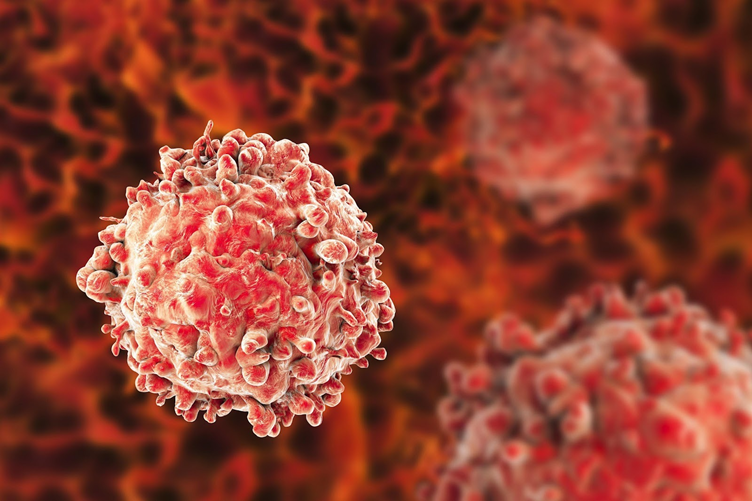
Cancer cells originate from healthy cells but carry mutated genes that cause uncontrolled proliferation, leading to an excessive accumulation of cells and the development of cancer.
Cancer cells can grow rapidly, creating conditions for tumor formation and later metastasizing to many other organs in the body.
One very important difference between cancer cells and normal cells is that cancer cells are less differentiated. While normal cells are formed, grow, mature, and differentiate into various cell types that perform specific functions, cancer cells are poorly differentiated or not differentiated at all. This explains why cancer cells can divide and multiply uncontrollably – something normal cells cannot do.
(illustrative image)
Cancer cells can influence their surrounding microenvironment, including nearby normal cells, molecules, and blood vessels that supply the tumor. This means cancer cells are capable of stimulating normal cells to form new blood vessels to deliver oxygen and nutrients and remove waste products, thereby nourishing and promoting tumor growth.
Cancer cells also have the ability to evade the body’s immune system. Under normal circumstances, the human immune system is responsible for fighting infections and eliminating abnormal or damaged cells. However, cancer cells can “hide” from immune surveillance.
How do cancer cells form in the body?
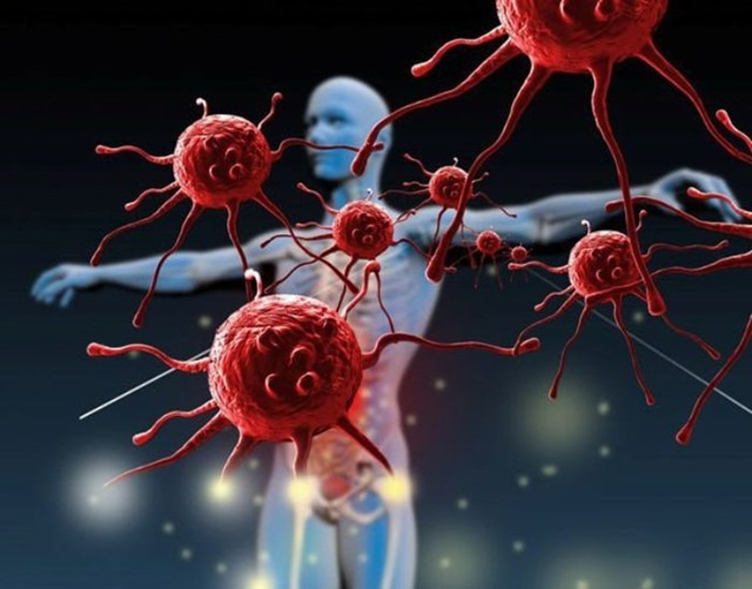
In fact, cancer cells originate from healthy cells. The key difference lies in genetic mutations. These mutations may result from alterations or damage to DNA molecules. As a result, the affected cells gain the ability to multiply rapidly, leading to cancer.
In addition to genetic factors, environmental influences can also affect genes, increasing the risk of chromosomal mutations over time. Habits such as the use of stimulants, alcohol consumption, and frequent exposure to ultraviolet radiation can make genes more vulnerable to damage.
(illustrative image)
A fundamental difference between cancer cells and normal cells is that cancer cells persist even when they are no longer needed by the body. Moreover, these cells are unable to reach a fully mature state like normal cells.
Over time, as the tumor grows larger, its demand for nutrients increases to sustain continuous cell production. New blood vessels then form, causing the tumor to expand further. At the same time, through the vascular network, cancer cells can invade and metastasize to multiple organ systems.
What is cancer metastasis?
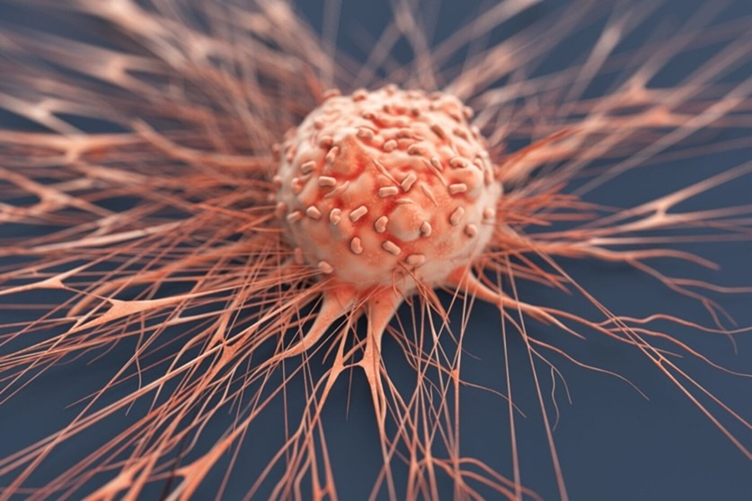
Metastatic cancer cells are cells that invade surrounding tissues as the tumor enlarges. They are capable of producing enzymes that destroy healthy cells and tissues.
In addition, these cells tend to spread to distant organ systems, a process known as metastasis. At this stage, cancer cells detach from the primary tumor and migrate to other areas through the lymphatic system or blood vessels.
(illustrative image)
In most cases, if not treated promptly, cancer cells may metastasize to multiple organs such as bones, lungs, liver, and the brain, leading to severe deterioration of health.
What is cancer recurrence?
Cancer recurrence after treatment is relatively common. This occurs because some cancer cells may not be completely eliminated and retain the ability to divide and form new tumors. As a result, new tumors may develop at the original site or appear elsewhere via the bloodstream or lymphatic system.
For this reason, after surgical removal of a tumor, most patients still require additional treatments such as radiotherapy and chemotherapy. The primary goal of these adjuvant therapies is to prevent recurrence and eliminate any remaining cancer cells.