
A clogged toilet or the sound of water trickling all night are true “nightmares” for every family. Before you panic and dial expensive service numbers, stay calm! Here is a kit of tips to help you manually handle 99% of common toilet issues.
Part 1: Handling a clogged toilet (from mild to severe)
This is the most urgent situation.
The cause: If the water is rising, immediately shut off the water supply valve (usually located on the wall behind the toilet) or open the tank lid and push the float arm down to stop the water flow.
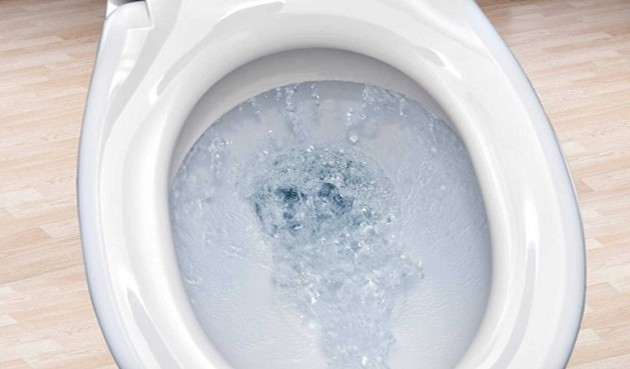
Method 1: The “soft trick” with dish soap & hot water (for paper/light waste)
If you don’t have any tools, try this first.
- Pour about ½ cup of dish soap into the bowl (to act as a lubricant).
- Pour in a bucket of hot water (about 70-80°C / 160-175°F; do not use boiling water as it may crack the porcelain).
- Let it sit for about 20 minutes, then flush. The pressure of the hot water combined with the lubrication should dislodge the obstruction.
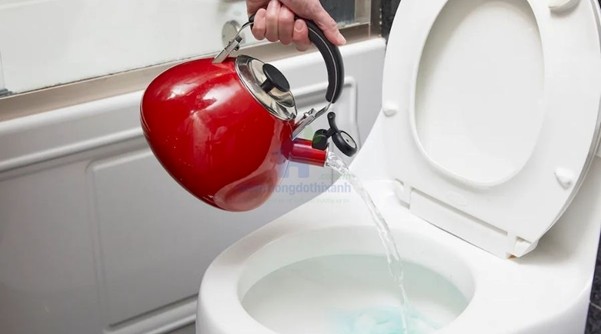
Method 2: Using a plunger correctly
Many people use plungers ineffectively because they use the wrong technique or tool.
- Choose the right type: Use a flange plunger (which has a rubber flap/extension) specifically designed for toilets, not a cup plunger (flat bottom) which is meant for sinks.
- Create a vacuum: Submerge the rubber head in water (add water if the bowl is dry). Press down gently at first to release air and create a tight seal over the drain hole.
- The action: Plunge vigorously up and down about 5-10 times. The air pressure will push and pull the clog loose.
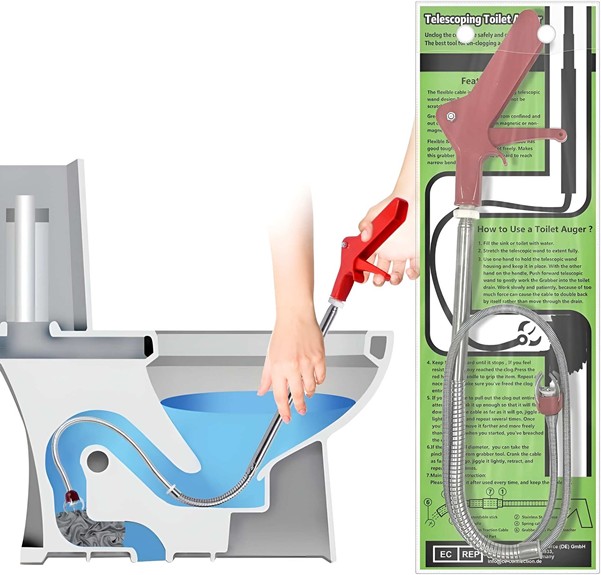
Method 3: The toilet auger (plumbing snake)
- If the clog is caused by a hard object or is deep in the pipe, you need an auger (cheap and available at hardware stores).
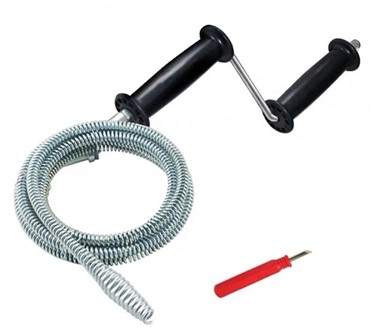
- Feed the cable/coil deep into the drain until you hit the obstruction.
- Crank the handle clockwise while pushing the cable further in so the spring can “snag” the debris or break it apart.
- Pull the cable out and flush.
Part 2: Fixing a leaking tank
Do you hear water trickling in the toilet even when no one is using it? This is the “culprit” causing your water bill to skyrocket.
Main causes:
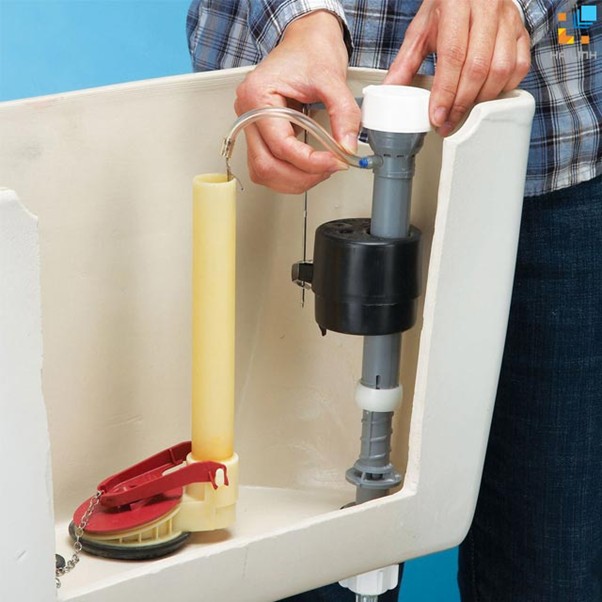
- The flapper (flush valve seal) is warped or worn out.
- The float is set too high, causing water to spill into the overflow tube.
How to fix:
- Check the flapper (the rubber seal at the bottom of the tank):
- Shut off the water and flush the tank empty.
- Remove the flapper to inspect it. If it is warped, hardened, or covered in mineral buildup -> Clean it or buy a replacement (they are very cheap and easy to swap).
- Adjust the float:
- If water keeps running and spilling into the open vertical tube in the middle (the overflow tube): The float is set too high.
- Find the adjustment screw on top of the fill valve. Use a screwdriver to turn it and lower the water level (ideally 2-3cm below the top of the overflow tube).
Part 3: Stuck flush button or weak flush
The flush button feels loose, or the water comes down too weakly to clear the waste.
Causes & Solutions:
- Slack chain (for lever handles): Inside the tank, the chain connecting the lever to the flapper is too long. -> Shorten the chain or hook it to a different link so it has less slack.
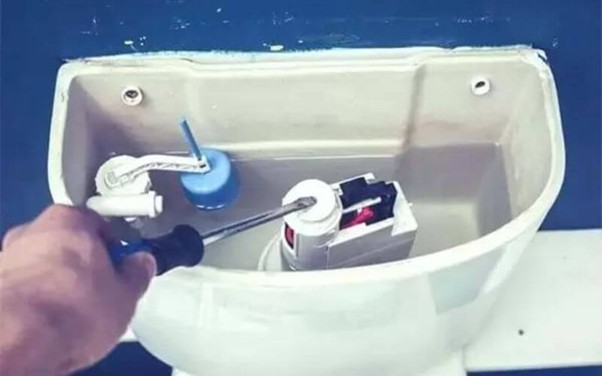
- Short push Rods (for push buttons): The two plastic rods under the button aren’t reaching the flush valve. -> Unscrew/extend the plastic rods slightly.
- Clogged rim jets: The small holes under the toilet rim are clogged with calcium buildup, preventing the water from swirling strongly. -> Use a toothpick or small brush to poke these holes clear, and consider pouring vinegar into the overflow tube to soak overnight.
Never flush wet wipes, sanitary pads, or grease down the toilet. Prevention is better than cure, equip your home with a high-quality plunger; it will save you from embarrassing situations!