What is the personality of people born in the Year of the Tiger like?

People born in the Year of the Tiger usually fall into these key years: 1950 (Metal Tiger), 1962 (Water Tiger), 1974 (Wood Tiger), 1986 (Fire Tiger), 1998 (Earth Tiger), 2010 (Metal Tiger), and 2022 (Water Tiger). People of this sign often display courage, decisiveness, and strong leadership abilities, yet they can also be unpredictable and straightforward.

People born in the Year of the Tiger usually fall into these key years: 1950 (Metal Tiger), 1962 (Water Tiger), 1974 (Wood Tiger), 1986 (Fire Tiger), 1998 (Earth Tiger), 2010 (Metal Tiger), and 2022 (Water Tiger). People of this sign often display courage, decisiveness, and strong leadership abilities, yet they can also be unpredictable and straightforward.
Among the 12 Zodiac animals, the Tiger stands in the 3rd position. Tigers typically possess a strong, steadfast personality; they enjoy conquering challenges and are very generous toward those around them.

Those born in the Year of the Tiger do not back down in the face of difficulties or challenges. To them, the more dangerous and difficult the situation, the more resounding and proud the victory, much like a Tiger demonstrating its authoritative power, deserving to be the “King of the Jungle.” Consequently, if you observe closely, you will see that this group does not engage in trivial, useless, or obscure work.
The strength of the Tiger helps these individuals easily adapt to the pressure and harshness of life. Until they hold power and status in their hands, they do not allow themselves to rest.
Despite being strong and bearing the characteristic traits of the Tiger, these individuals are actually very kind-hearted and ready to help others. However, if their self-esteem is insulted, they will harbor intense dislike and resentment toward that person. Furthermore, people born in the Year of the Tiger are never satisfied with their current life, so they are always striving and working hard to achieve success one day.
You may not believe it, but people born in the Year of the Tiger are very sentimental. They are honest and always sincere with everyone, rarely taking advantage of anyone. In a crowd, they are very dynamic and enthusiastic, easily attracting the attention of those around them. They seem to be surrounded by a source of positive, optimistic energy, so they rarely feel tired or pressured, even when life “batters” them like waves crashing on the shore.
Being ambitious for status and power, Tigers love to express themselves and want to receive praise and compliments. Despite this, they are quite humorous and gentle, though when they get angry, they find it difficult to control themselves. This is an essential nature that, no matter how hard they try, is difficult for them to overcome.
Famous people born in the Year of the Tiger include President Ho Chi Minh, Leonardo DiCaprio, Tom Cruise, Lady Gaga, Usain Bolt, and Queen Elizabeth II. They belong to the generations of Fire Tiger (1926, 1986), Water Tiger (1962), Wood Tiger (1974), and Earth Tiger (1938, 1998).

(President Ho Chi Minh, born in 1890 – Metal Tiger)

What is the personality of people born in the Year of the Rabbit (Cat) like?

People born in the Year of the Rabbit (Year of Mao/Hare) usually belong to years such as: 1939 (Earth Rabbit), 1951 (Metal Rabbit), 1963 (Water Rabbit), 1975 (Wood Rabbit), 1987 (Fire Rabbit), 1999 (Earth Rabbit), 2011 (Metal Rabbit), 2023 (Water Rabbit).

People born in the Year of the Rabbit (Year of Mao/Hare) usually belong to years such as: 1939 (Earth Rabbit), 1951 (Metal Rabbit), 1963 (Water Rabbit), 1975 (Wood Rabbit), 1987 (Fire Rabbit), 1999 (Earth Rabbit), 2011 (Metal Rabbit), 2023 (Water Rabbit).
This is the fourth animal in the 12-animal cycle, symbolizing gentleness, luck, and proliferation. In Vietnam, the Year of the Cat represents this sign, while in Chinese, Korean, and Japanese cultures, it is the Rabbit.

The Rabbit is a gentle, mild, and agile animal. People born in the Year of the Rabbit often have a soft and gentle personality. They maintain a humble attitude and keep pleasant relationships with those around them. They are not easily provoked and also avoid arguments as much as possible.
They are easy-going, polite, gentle, and skillful in building relationships with people. Dressing neatly is very important to them, and this also helps them be loved by many. They often create a good impression on others and always have many friends. In reality, deep inside, they are quite subtle and cautious.
With their gentle nature, they will never steal the spotlight from others, so they can work in teams very well. They are responsible, patient, and kind-hearted people.
They are straightforward and honest with friends, and always keep their promises. They are grateful, especially to their parents. They are often filial children, always putting family first.
People born in the Year of the Rabbit have a sharp business mind; they are capable of recognizing valuable opportunities. They do not like office work, but such work can bring them a stable income. They have a high sense of responsibility and are always dedicated to their work. They are also very persistent; once they have decided to pursue a certain profession, they will fight with all their might for it. They can be good leaders, whether in politics or economics.
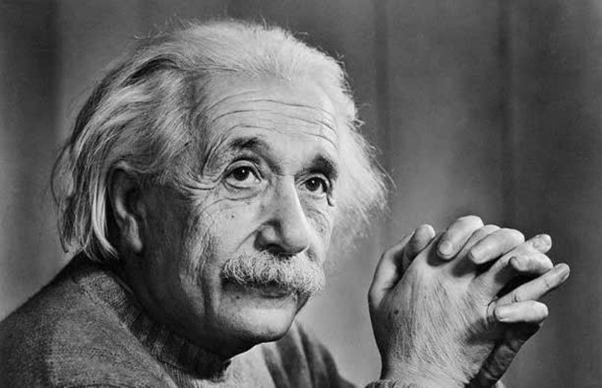
Famous people born in the Year of the Rabbit stand out for their intellect, sharpness, and success in many fields. Typical notable figures include Albert Einstein, player Lionel Messi, designer Ralph Lauren (international), and historical figures such as Pham Ngu Lao and Tran Nhat Duat (Vietnam).

(Albert Einstein was a German theoretical physicist born in 1879)

FAMILY CONFLICT AND NEGATIVE SPEECH: RISK FACTORS FOR DEPRESSION AND PSYCHOLOGICAL DISORDERS

In mental health studies, the family is always positioned centrally as a double-edged sword. On one hand, it is viewed as the most critical source of social support, a "buffer zone" protecting the individual from life's pressures. On the other hand, when family function is impaired, it becomes an environment that produces the deepest and most enduring psychological trauma. Modern clinical psychology research has indicated that stressors from the family environment, particularly verbal conflict and emotional violence, have an intimate and direct link to the risk of onset for depression and psychological disorders.

In mental health studies, the family is always positioned centrally as a double-edged sword. On one hand, it is viewed as the most critical source of social support, a “buffer zone” protecting the individual from life’s pressures. On the other hand, when family function is impaired, it becomes an environment that produces the deepest and most enduring psychological trauma. Modern clinical psychology research has indicated that stressors from the family environment, particularly verbal conflict and emotional violence, have an intimate and direct link to the risk of onset for depression and psychological disorders.
The central research question posed here does not stop at identifying this link but delves into the mechanism of impact: How do the degree, frequency, and form of family conflict affect an individual’s psychological structure and mental health? This article will analyze the issue based on scientific theoretical foundations and empirical evidence, thereby affirming that family conflict is not merely a matter of social communication but a serious risk factor for public health.
To analyze the issue thoroughly, foundational concepts must be clearly defined. Depression is defined as a mood disorder characterized by persistent sadness, loss of interest (anhedonia), and severe impairment of life functions. Accompanying this are stress-related psychological disorders such as generalized anxiety, post-traumatic stress disorder (PTSD), and difficulties in emotional regulation. In this context, family conflict is understood as a state of prolonged contradiction between members, including both overt conflict (arguments, insulting speech) and covert conflict (cold wars, indifference).
The mechanism of family conflict’s impact on individual psychology is explained through three dominant theories. First, Environmental Stress Theory posits that living in a perpetually stressful family environment triggers an overactive sympathetic nervous system, keeping the individual in a state of high alert, leading to emotional exhaustion. Second, John Bowlby’s Attachment Theory emphasizes that children growing up in an environment lacking emotional safety, frequently hearing negative speech, will form insecure or avoidant attachment styles; this is a precursor to anxiety disorders and depression in adulthood.
Finally, the Cognitive-Emotional Model explains that negative speech from loved ones is received by the individual and transformed into distorted core beliefs about the self (such as “I am a failure,” “I am unlovable”). These self-critical thoughts are the raw material that nurtures a depressive state.
Epidemiological studies have provided convincing evidence of the causal link between the family environment and mental pathology. Data shows that individuals living in families with high levels of conflict have significantly higher rates of clinical depression symptoms compared to control groups in stable families. Notably, the level of family stress is positively correlated with the severity and treatment resistance of depression.
Regarding the impact of negative speech, studies on children and adolescents have shown that frequent criticism and contempt from parents are closely related to the development of social anxiety disorder and chronic low self-esteem. A shocking discovery in neuroscience is that the human brain processes pain from rejection or verbal insults in the same brain regions that process physical pain (the anterior cingulate cortex and the insula). This means that, in terms of neurobiology, a cruel scolding causes physical pain no different from a physical blow.
Furthermore, the factor of time plays a key role. Trauma from words often does not cause immediate consequences but accumulates over time. Longitudinal studies indicate that the frequency of conflict is an even more accurate predictor of psychological disorders than the intensity of conflict (how violent a single argument is). Moreover, this effect is intergenerational: adults who grew up in toxic family environments tend to be more prone to depression and unconsciously reproduce that negative communication pattern with their own spouses and children.
Delving into the internal mechanism, the process of transforming external speech into internal pathology occurs through three stages.
The first is the internalization of negative messages. Individuals, especially children, lack the ability to filter information from loved ones, so they gradually believe that those judgments and criticisms are objective truths about themselves. This belief engrains itself in the subconscious, becoming a negative filter for all future life experiences.
The second stage is the chronic stress response. Living in constant defensiveness causes cortisol levels in the blood to remain high, which is toxic to neurons in the hippocampus, the brain region responsible for memory and emotion.
Finally, there is the degradation of the psychological defense system. When the attack comes from the very people who are supposed to love and protect them the most, the victim falls into a state of “learned helplessness,” losing faith in their ability to protect themselves or change the situation, leading directly to depression.
Although anyone can be hurt, certain groups are particularly sensitive to family conflict. Children and adolescents are the highest-risk group due to their incomplete personality development and total dependence on the family. Additionally, those with a foundation of low self-esteem, those who have experienced past trauma, and women, who tend to be more sensitive regarding social relationships, are also subjects prone to deep vulnerability.
From a macro perspective, psychological disorders caused by the family environment are not just personal tragedies but a burden on the entire society. Prolonged family conflict degrades the quality of human resources, reduces labor productivity, and increases costs for the mental healthcare system. More seriously, depression stemming from the family is one of the leading causes of self-harm and suicidal behavior, ringing an urgent warning bell for community health work.
Based on research evidence, solutions need to be approached multidimensionally. At the individual level, Cognitive Behavioral Therapy (CBT) is proven effective in helping victims identify and change internalized negative beliefs, while also training emotional regulation skills. At the family level, Family Therapy is the optimal method to address the root of the problem, helping members understand the damaging mechanism of words and establish safe argumentation rules. Socially, there is a need to promote mental health education, pre-marital counseling programs, and parenting skills for remote prevention.
Family conflict and negative speech are not merely collisions in daily life but must be recognized as serious psychopathological risk factors. An individual’s mental health is governed more strongly by the “weather” of the family environment than by any other external factor. Therefore, improving communication culture within the family is not only about building happiness but is essentially a vital preventive medical measure to stop the pandemic of depression in modern society.

THE IMPACT OF THE DIGITAL ENVIRONMENT ON THE PSYCHOLOGICAL HEALTH OF MODERN HUMANS

The explosion of the Industry 4.0 revolution has constructed a new living space for humanity: the digital environment. With the ubiquity of social media, online platforms, and smart devices, the structure of modern human mental life has changed fundamentally and profoundly. We are living in a hyper-connected era, where every piece of information and every relationship is just a touch away. However, alongside the undeniable benefits regarding access to knowledge and social connection, the digital environment is posing unprecedented challenges to mental health.
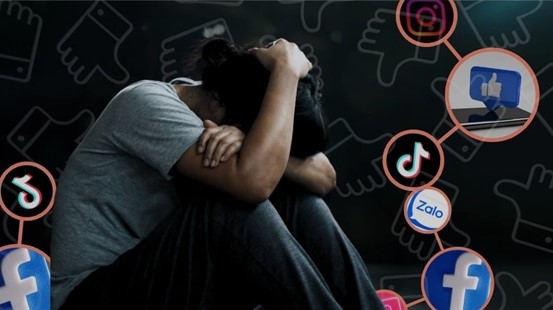
The explosion of the Industry 4.0 revolution has constructed a new living space for humanity: the digital environment. With the ubiquity of social media, online platforms, and smart devices, the structure of modern human mental life has changed fundamentally and profoundly. We are living in a hyper-connected era, where every piece of information and every relationship is just a touch away. However, alongside the undeniable benefits regarding access to knowledge and social connection, the digital environment is posing unprecedented challenges to mental health.
Recent epidemiological and psychological studies have pointed out a disturbing paradox: as digital connectivity increases, human happiness indices and psychological health tend to decline. The central research question posed is not merely whether the digital environment is harmful, but through what complex mechanisms it impacts the human mind and to what extent it affects cognitive, emotional, and behavioral aspects.
The digital environment within the scope of this study is understood as the entire space of online interaction, including social networks (Facebook, TikTok, Instagram…), media platforms, entertainment, and digital communication tools. This is not merely a tool but a vibrant ecosystem where humans construct their identities and maintain social relationships. Counterbalancing this is the concept of psychological health, defined as a state of balance in emotions, cognition, and behavior, allowing individuals to adapt effectively to life’s pressures and contribute to the community, rather than merely the absence of mental disorders.
Second is Information Overload Theory. The human brain has limits on its cognitive processing capacity. However, the digital environment, with its endless stream of information, constantly bombards the mind, forcing the brain to process beyond its capacity. This situation leads to cognitive energy depletion, reducing the ability to focus deeply and increasing levels of neural stress.
Third, and most importantly, is the Neural Reward Model. Digital platforms are designed based on the mechanism of stimulating the brain’s dopamine system. Likes, notifications, or comments act as unpredictable variable rewards, a mechanism similar to that found in gambling. This triggers a repetitive behavioral loop, creating a momentary sense of euphoria but leading to a long-term risk of dependency and digital withdrawal syndrome when access is removed.
Empirical evidence has concretized the above theories into alarming figures. Regarding the link to depression and anxiety, many cross-sectional and longitudinal studies have shown that those who spend many hours a day on social media have significantly higher reporting rates of anxiety, loneliness, and depression symptoms compared to the low-usage group. Dependence on virtual approval makes an individual’s self-esteem fragile and reliant on external interaction metrics.
Another distinct biological impact is the effect on sleep. Blue light from device screens suppresses the production of melatonin, the hormone that regulates sleep. Using devices before bed not only disrupts the circadian rhythm but also stimulates the brain to maintain a state of alertness, leading to chronic sleep deprivation. Sleep deprivation, in turn, is a direct cause of impaired emotional regulation, creating a negative vicious cycle.
The impact of the digital environment on human psychology can be decoded through three dominant theoretical frameworks.

First is Social Comparison Theory. Humans have an instinct to evaluate themselves by comparing themselves to others. Social media, characterized as a showcase of the most perfect moments of life, has increased the frequency and intensity of this comparison to unprecedented levels. When constantly exposed to carefully filtered images of success, wealth, and happiness, individuals easily fall into a state of “upward comparison,” leading to feelings of inferiority, self-doubt, and envy.
Furthermore, the attention span of modern humans is being severely degraded. The habit of constantly switching between browser tabs, apps, or short-form content has created the “popcorn brain” phenomenon, where focus is fragmented, making it difficult to maintain deep attention on a long-term task.
Although the impact is universal, the degree of influence varies markedly by demographic group. Adolescents are the most vulnerable group because their brains are in a developmental stage, particularly the prefrontal cortex responsible for impulse control. The need for self-affirmation and peer pressure makes them easily swept into the spiral of comparison and cyberbullying. Additionally, high-intensity online workers, those with a history of anxiety disorders, or individuals lacking real-life social support systems are also heavily impacted subjects, as the virtual world becomes their sole, yet insecurity-filled, refuge.
In the long term, immersion in the digital environment can lead to sustainable transformations in psychological structure. The first consequence is a decline in emotional regulation capabilities. When accustomed to seeking instant relief through a screen, humans gradually lose the ability to endure boredom or self-soothe in difficult real-life situations. Paradoxically, despite dense online interaction, feelings of loneliness and social isolation increase, because virtual connections often lack the emotional depth and physical presence necessary for biological bonding. Moreover, direct communication skills, the ability to read body language, and empathy are also at risk of atrophy, especially in the younger generation born in the digital age.
From the above analyses, it can be affirmed that psychological health in the digital environment is no longer a matter of personal habit but has become a public health challenge. Widespread decline in mental health directly impacts national labor productivity, the learning quality of future generations, and the stability of the social structure. When a large portion of the population falls into a state of anxiety, exhaustion, or technological dependence, creativity and community cohesion will be seriously threatened.
To solve this problem, a multi-level approach is needed. At the individual level, the solution is not to reject technology but to manage it mindfully. Establishing boundaries for usage time, practicing periodic “digital detox,” and actively nurturing real-life relationships are essential steps.
At the educational level, “digital mental hygiene” programs need to be introduced in schools, equipping students with critical thinking skills regarding information and the ability to protect themselves from online pressures. Finally, at the policy and technology level, regulations are needed to force digital platforms to design more humane products that protect users, limiting addictive algorithms or the exploitation of human psychological weaknesses for profit.
The digital environment is a new environmental variable, but it has a powerful and profound impact on the psychological ecosystem of modern humans. Its impact does not stop at immediate reactions but accumulates into long-term changes in brain structure and social behavior. Mental healthcare and research in the 21st century cannot be separated from the technological context. Only by fully being aware of the mechanisms of impact and actively building a healthy relationship with technology can humans leverage the power of the digital era without trading away their peace of mind.


Building Tomorrow: The Cities That Will Define Our Future

As the world’s population continues to urbanize, cities face unprecedented challenges and opportunities. By 2050, nearly 70% of humanity will live in urban areas, creating a pressing need for sustainable, intelligent, and inclusive city planning. The cities we build today will determine the quality of life for billions of people tomorrow.

This transformation is already visible in cities around the globe. From Singapore’s vertical gardens to Copenhagen’s carbon-neutral ambitions, urban centers are becoming laboratories for innovation. They’re testing new approaches to transportation, energy, housing, and social services that could serve as models for the future.

Singapore's Marina Bay represents the pinnacle of modern urban planning, combining sustainability with stunning architecture

The Smart City Revolution

Smart cities leverage technology to improve efficiency, reduce costs, and enhance quality of life. Sensors monitor air quality in real-time, traffic lights adjust based on actual flow patterns, and waste management systems optimize collection routes. These innovations aren’t just convenient—they’re essential for managing resources in an increasingly crowded world.

Barcelona has emerged as a leader in smart city initiatives. The city installed thousands of sensors to monitor everything from parking availability to noise levels. This data helps city planners make informed decisions about infrastructure, public services, and environmental policies. The result is a more responsive, efficient urban environment.

Technology alone isn’t enough. Successful smart cities integrate digital solutions with human-centered design. They prioritize accessibility, ensuring that technological advances benefit all residents, not just the wealthy or tech-savvy. This inclusive approach is crucial for building cities that work for everyone.

The integration of renewable energy sources is another critical component. Cities like Reykjavik and Burlington have achieved 100% renewable energy, proving that sustainable urban living is not just possible but practical. These achievements inspire other cities to set ambitious environmental goals.

The transformation of our urban landscapes is one of the defining challenges of our time. The cities we build and rebuild in the coming decades will shape the lives of generations to come. By combining innovation with wisdom, technology with humanity, and ambition with responsibility, we can create urban environments that are not just functional, but truly livable.

The journey toward better cities requires collaboration between governments, businesses, communities, and individuals. It demands long-term thinking, creative problem-solving, and a commitment to equity and sustainability. But the rewards—thriving communities, healthy environments, and improved quality of life—make this effort not just worthwhile, but essential.

The Future of Artificial Intelligence: How Machine Learning is Transforming Industries

Artificial intelligence and machine learning are no longer concepts of the future—they are actively reshaping how businesses operate, how we interact with technology, and how we solve complex problems. From healthcare to finance, transportation to education, AI is creating unprecedented opportunities and challenges that demand our attention and understanding.

The Evolution of Machine Learning

Machine learning has evolved from a theoretical concept in the 1950s to a practical tool that powers everything from recommendation systems to autonomous vehicles. The journey began with simple algorithms that could recognize patterns, but today’s systems can process vast amounts of data, learn from experience, and make decisions with remarkable accuracy.

The breakthrough came with the availability of big data and increased computational power. Companies like Google, Amazon, and Microsoft invested billions in developing AI infrastructure, making sophisticated machine learning models accessible to businesses of all sizes. This democratization of AI technology has accelerated innovation across industries.

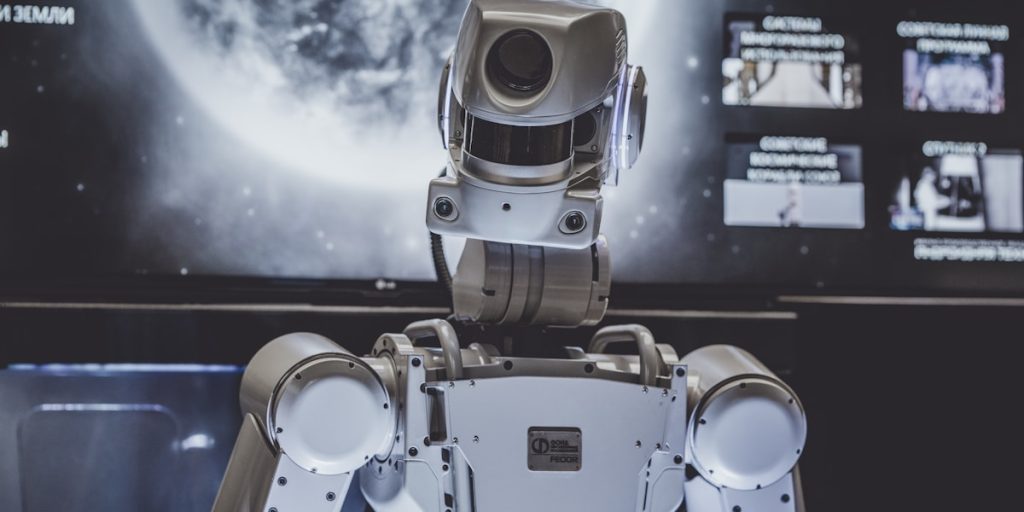
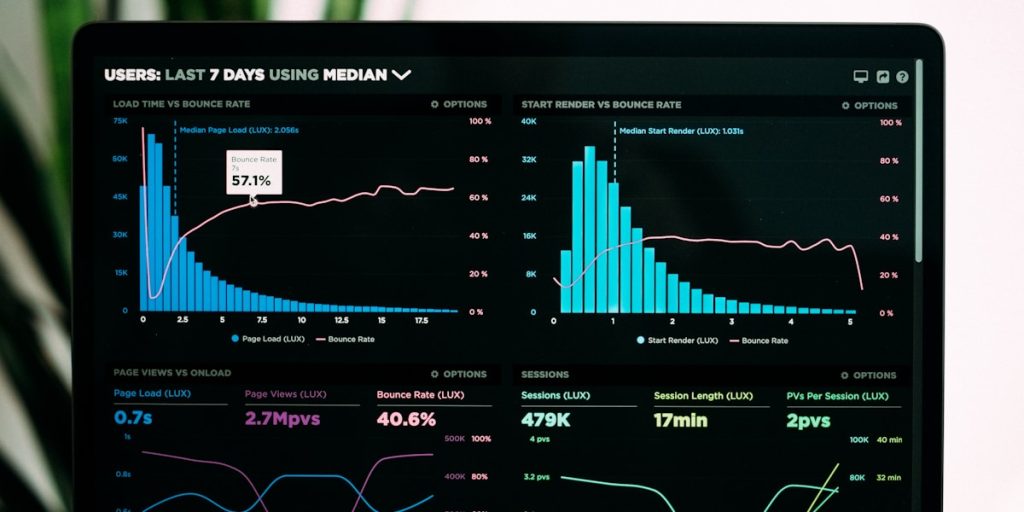
Neural networks processing complex data patterns in real-time

One of the most significant developments in recent years has been the rise of deep learning. These neural networks, inspired by the human brain, can identify patterns that would be impossible for traditional programming to detect. They’ve revolutionized image recognition, natural language processing, and even creative tasks like art generation.

However, with great power comes great responsibility. As AI systems become more sophisticated, questions about ethics, bias, and transparency become increasingly important. Researchers and practitioners are working to develop frameworks that ensure AI benefits all of humanity while minimizing potential harms.

Industry Transformations

Healthcare is experiencing one of the most profound transformations. AI-powered diagnostic tools can now detect diseases like cancer earlier and more accurately than ever before. Machine learning algorithms analyze medical images, patient records, and genetic data to provide personalized treatment recommendations.

In finance, AI is revolutionizing fraud detection, algorithmic trading, and risk assessment. Banks use machine learning to analyze transaction patterns and identify suspicious activities in real-time, protecting millions of customers from financial fraud.

AI-assisted medical diagnosis improving patient outcomes

Transportation is on the cusp of a revolution with autonomous vehicles. While fully self-driving cars are still in development, AI-powered features like adaptive cruise control, lane-keeping assistance, and collision avoidance are already making roads safer. The logistics industry is using AI to optimize routes, reduce fuel consumption, and improve delivery times.

Education is also being transformed. Personalized learning platforms use AI to adapt to each student’s learning style and pace, providing customized content and feedback. This approach has shown promising results in improving student engagement and outcomes.

The manufacturing sector has embraced AI through the Industrial Internet of Things (IIoT). Smart factories use machine learning to predict equipment failures, optimize production schedules, and improve quality control. This has led to increased efficiency, reduced waste, and lower costs.

Retail and e-commerce have been transformed by recommendation systems. These AI-powered algorithms analyze customer behavior to suggest products, personalize shopping experiences, and optimize inventory management. The result is higher customer satisfaction and increased sales.

The key to success lies in understanding that AI is a tool to augment human capabilities, not replace them. By combining the strengths of artificial intelligence with human creativity, empathy, and judgment, we can solve problems that seemed insurmountable just a few years ago. The journey ahead is exciting, challenging, and full of possibilities.