
Uncategorized
A family need not be perfect, only the safest sanctuary

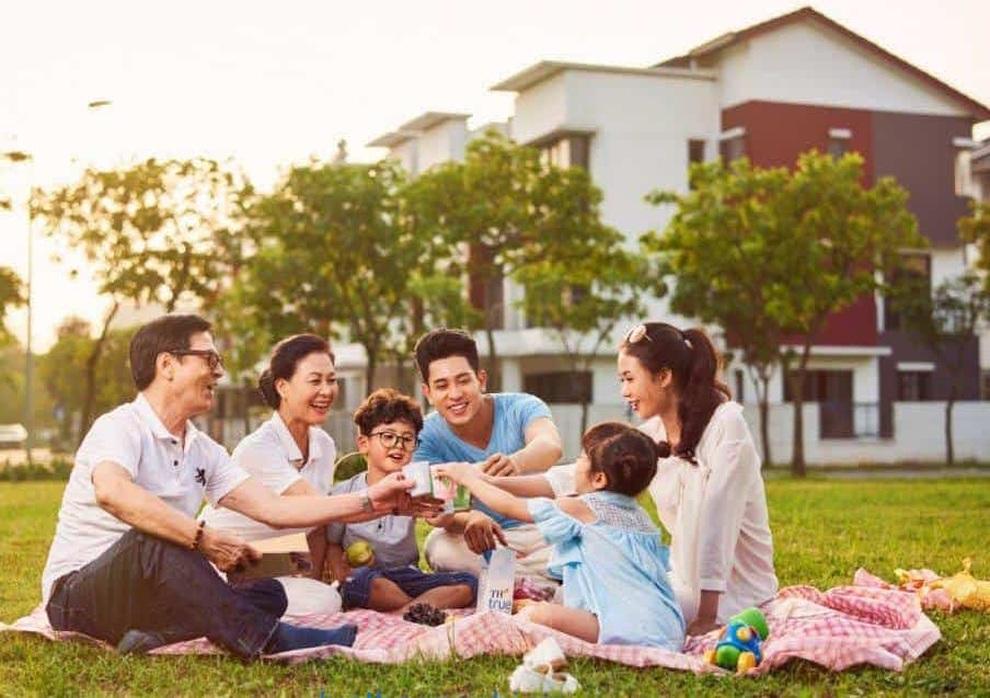
We are living in a glittering era of materialism, where children are borninto full amenities, attend international schools, travel the world, andpossess expensive toys that their parents' generation could only dreamof. Yet, paradoxically, never before have the rates of psychological issues, depression, and anxiety among children and adolescents been as highasthey are today. Inside luxury apartments, beside sumptuous feasts, liefrightening silent voids between family members. Parents endlesslychasecareers to build a "perfect future" for their children, inadvertentlyneglecting the present. These children grow up amidst abundance yet feel
lonely; they crave a look of understanding more than a pricey gift, needashoulder to lean on more than a brimming bank account. This painful
reality forces us to redefine the concept of a home: A good familydoesnot necessarily have to be a flawless model, but it must be an emotional
safe haven.
The family environment is the first and most crucial atmosphere nurturinga child's soul. Safety here means not only the absence of physical
violence but also psychological safety. Children are far more sensitivethan we imagine; they are like sponges absorbing every energy aroundthem. How parents argue and how they reconcile deeply affects a child'sworldview. No couple is without conflict, but parents engaging ina "coldwar" or using derogatory language toward each other in front of their
children will create cracks in the child's heart. Conversely, if parentsknow how to debate civilly and, more importantly, knowhowtoapologize and admit faults before their children, the child will learnapriceless lesson in tolerance and problem-solving. Asincere apologyfrom an adult does not undermine parental authority; on the contrary, it
builds trust and teaches the child that everyone makes mistakes, andwhat
matters is knowing how to fix them.
The challenge of parenting today is further agitated by the stormof social
media, creating invisible yet heavy pressures on young shoulders. Weareinadvertently swept into the race of "sharenting" (showing off children), turning kids into trophies for display. Comparing a child's academicachievements or talents with "other people's children" on Facebookstripsaway their right to be just an ordinary child. Children today bear theweight of colossal expectations, feeling they are only loved whentheyscore a 10, when they are obedient, or when they succeed. Suchconditional love keeps the child living in constant anxiety, fearingabandonment if they fail. Parents need to be lucid enough to realize that achild's value lies in their very existence, not in medals. Let the childdevelop at their own unique rhythm; do not force themto race against
virtual archetypes online.
Family education, in essence, does not lie in hollow lectures, but inthebehavior of the parents. Parents are the mirror, the most vivid textbook
that children read every day. You cannot teach a child honestyif youfrequently tell lies; you cannot teach patience if you are always shoutinghot-headedly; you cannot teach a child to limit screen time if your eyesnever leave your phone. What children remember for a lifetime is not themoral sermons at the dinner table, but the image of a father carryinghischild when tired, a mother holding their hand when they are scared, or theway parents treat a waiter or housekeeper with kindness. It is these small
but consistent actions that seep into the subconscious, formingthecharacter and backbone of the human being they will become.
Deeper still, building a safe family is a journey of healing generational
trauma. Many of us grew up with scars from the harsh parentingof theprevious generation: the rod, imposition, or cold indifference. If wearenot mindful, we can easily and unconsciously repeat these toxic behaviorson our own children, in the name of love. "I was beaten back thenandI
turned out fine" is a dangerous justification. Modern parenting requiresthe courage to break that chain of pain. Look back at what you endured, understand the pain of your inner child, and tell yourself: "This painstopswith my generation." Do not let your children inherit wounds youhaven't
had time to heal. Give your children what you once craved but never
received: listening, respect, and a warm, unconditional embrace.
Finally, the most accurate barometer for a happy family is not wealthor
fame, but the freedom of emotional expression. A "safe enough" familyiswhere a child dares to cry when sad, dares to say "I'mtired" whenexhausted, and dares to confess "I was wrong" without fear of
punishment or judgment. When the home becomes a place where childrencan shed all masks to be true to themselves, that is the parents' greatest
success. Make the family a place where, no matter how fierce the stormisoutside, just stepping through the door brings peace. Because after all,
happy children do not need a perfect family; they only need"goodenough" parents to accompany and love them.
lonely; they crave a look of understanding more than a pricey gift, needashoulder to lean on more than a brimming bank account. This painful
reality forces us to redefine the concept of a home: A good familydoesnot necessarily have to be a flawless model, but it must be an emotional
safe haven.
The family environment is the first and most crucial atmosphere nurturinga child's soul. Safety here means not only the absence of physical
violence but also psychological safety. Children are far more sensitivethan we imagine; they are like sponges absorbing every energy aroundthem. How parents argue and how they reconcile deeply affects a child'sworldview. No couple is without conflict, but parents engaging ina "coldwar" or using derogatory language toward each other in front of their
children will create cracks in the child's heart. Conversely, if parentsknow how to debate civilly and, more importantly, knowhowtoapologize and admit faults before their children, the child will learnapriceless lesson in tolerance and problem-solving. Asincere apologyfrom an adult does not undermine parental authority; on the contrary, it
builds trust and teaches the child that everyone makes mistakes, andwhat
matters is knowing how to fix them.
The challenge of parenting today is further agitated by the stormof social
media, creating invisible yet heavy pressures on young shoulders. Weareinadvertently swept into the race of "sharenting" (showing off children), turning kids into trophies for display. Comparing a child's academicachievements or talents with "other people's children" on Facebookstripsaway their right to be just an ordinary child. Children today bear theweight of colossal expectations, feeling they are only loved whentheyscore a 10, when they are obedient, or when they succeed. Suchconditional love keeps the child living in constant anxiety, fearingabandonment if they fail. Parents need to be lucid enough to realize that achild's value lies in their very existence, not in medals. Let the childdevelop at their own unique rhythm; do not force themto race against
virtual archetypes online.
Family education, in essence, does not lie in hollow lectures, but inthebehavior of the parents. Parents are the mirror, the most vivid textbook
that children read every day. You cannot teach a child honestyif youfrequently tell lies; you cannot teach patience if you are always shoutinghot-headedly; you cannot teach a child to limit screen time if your eyesnever leave your phone. What children remember for a lifetime is not themoral sermons at the dinner table, but the image of a father carryinghischild when tired, a mother holding their hand when they are scared, or theway parents treat a waiter or housekeeper with kindness. It is these small
but consistent actions that seep into the subconscious, formingthecharacter and backbone of the human being they will become.
Deeper still, building a safe family is a journey of healing generational
trauma. Many of us grew up with scars from the harsh parentingof theprevious generation: the rod, imposition, or cold indifference. If wearenot mindful, we can easily and unconsciously repeat these toxic behaviorson our own children, in the name of love. "I was beaten back thenandI
turned out fine" is a dangerous justification. Modern parenting requiresthe courage to break that chain of pain. Look back at what you endured, understand the pain of your inner child, and tell yourself: "This painstopswith my generation." Do not let your children inherit wounds youhaven't
had time to heal. Give your children what you once craved but never
received: listening, respect, and a warm, unconditional embrace.
Finally, the most accurate barometer for a happy family is not wealthor
fame, but the freedom of emotional expression. A "safe enough" familyiswhere a child dares to cry when sad, dares to say "I'mtired" whenexhausted, and dares to confess "I was wrong" without fear of
punishment or judgment. When the home becomes a place where childrencan shed all masks to be true to themselves, that is the parents' greatest
success. Make the family a place where, no matter how fierce the stormisoutside, just stepping through the door brings peace. Because after all,
happy children do not need a perfect family; they only need"goodenough" parents to accompany and love them.