
Against the backdrop of protests showing signs of strong eruptionandspreading to many major cities, the Supreme Leader of Iran has issued a sternmessage, requiring security forces to implement more drastic measures torestore order. This move marks a serious turning point in the current crisis, asthe Tehran administration shifts from containment measures toacomprehensive suppression strategy aimed at quelling the rising tideof
opposition among the public. According to local sources, the newdirectiveauthorizes the guards and police to use heavier-handed means to dispersecrowds, while simultaneously increasing strict surveillance of social mediaplatforms to prevent the organization and dissemination of information bytheopposition.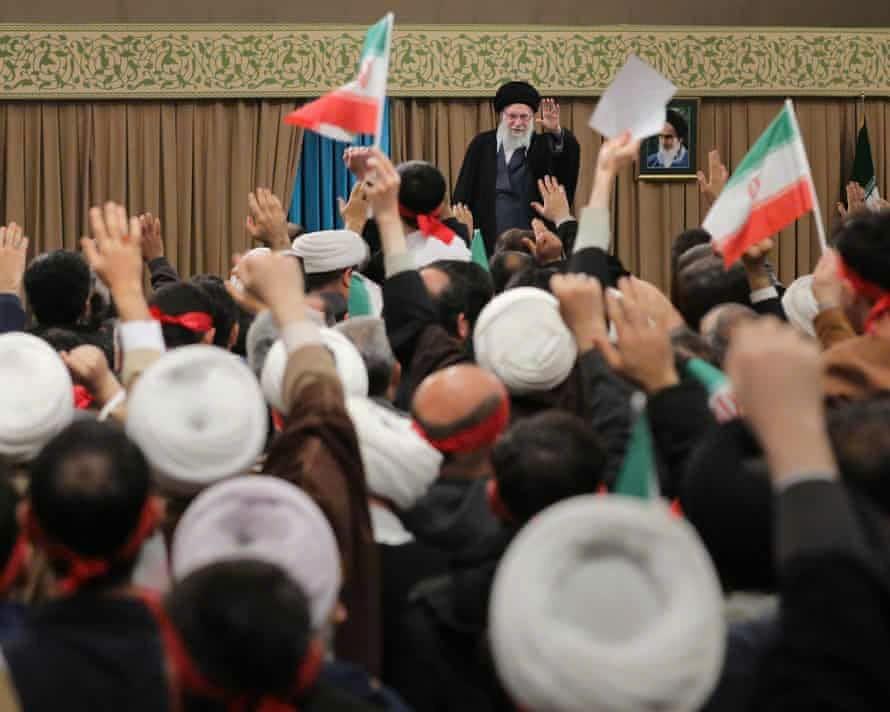
(Ali Khamenei speaking in Qom yesterday. Photograph: Anadolu)
This current wave of opposition is assessed as one of the greatest challenges tothe Iranian leadership in many years, drawing participation fromdiverse social
strata, ranging from students and workers to intellectuals. Protesters, defyingwarnings from the government, continue to pour into the streets to express deepdissatisfaction with current economic and social policies. The event hasattracted special attention from the international community, with many humanrights organizations expressing deep concern regarding the potential for
escalating violence if heavy-handed crackdown measures are rigorouslyimplemented.
Responding to these concerns, Iranian officials affirm that tough measures arenecessary to protect national security and prevent interference fromexternal
hostile forces, whom they accuse of inciting riots. However, on the ground, atense atmosphere still blankets central areas where citizens remain determinedto hold their ground, creating a standoff with no end in sight. The current
situation poses major questions regarding the future stability of the regionandwhether heavy-handed measures will truly resolve root conflicts or merelyexacerbate divisions within society.